

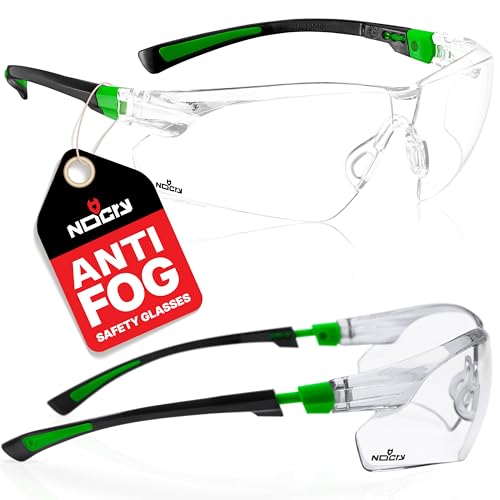
Are your safety glasses not providing the crystal-clear vision and protection they once did? Don’t worry – you’re not alone! In our upcoming blog post, “How should safety glasses be maintained and cleaned?” we’ll delve into the crucial but often overlooked task of keeping your safety glasses in top-notch condition. Discover why proper maintenance and cleaning are essential not only for their longevity but, most importantly, for your safety on the job. Stay tuned for some expert tips that will help you see clearly and work safely!
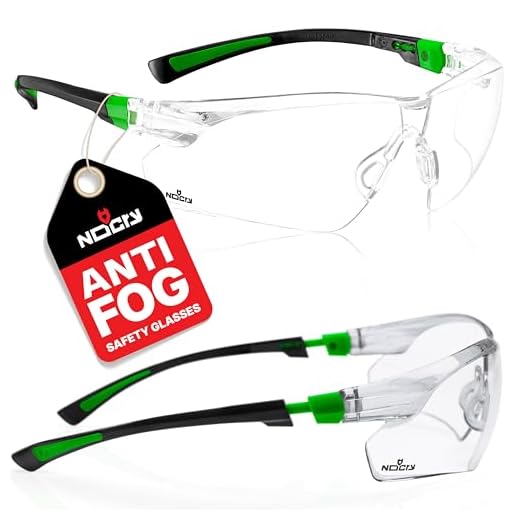

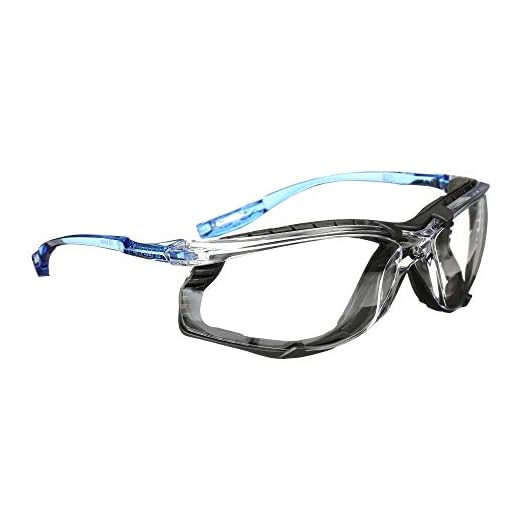
Importance of Safety Glasses Maintenance
Safety glasses are an essential piece of personal protective equipment (PPE) in a wide range of industries, from construction and manufacturing to laboratories and healthcare. However, simply owning a pair of safety glasses is not enough to ensure optimal eye protection. Regular maintenance and cleaning of safety glasses are crucial to preserve their effectiveness and ensure the safety of workers in various work environments.
Reasons for Regular Maintenance
- Visibility: Over time, safety glasses can accumulate dirt, debris, and smudges, affecting visibility and potentially causing accidents.
- Durability: Regular maintenance helps prolong the life of safety glasses, reducing the need for frequent replacements and saving costs in the long run.
- Comfort: Clean safety glasses are more comfortable to wear, encouraging workers to keep them on throughout their shifts.
Cleaning Techniques
Brand A Anti-Fog Safety Glasses
- Use a mild soap and warm water to clean lenses and frames.
- Avoid using harsh chemicals or abrasive materials that could damage the anti-fog coating.
Brand B Scratch-Resistant Safety Glasses
- Use a microfiber cloth to gently remove fingerprints and smudges.
- Store safety glasses in a protective case when not in use to prevent scratches.
Maintenance Tips
- Regular Inspection: Check safety glasses for any signs of damage or wear and tear.
- Adjustment: Ensure safety glasses fit properly and provide a secure seal around the eyes.
- Replacement: Replace scratched or damaged lenses promptly to maintain clear visibility.
Benefits of Proper Maintenance
- Enhanced Safety: Clean and well-maintained safety glasses provide optimal eye protection in hazardous work environments.
- Longevity: Proper maintenance extends the lifespan of safety glasses, maximizing their value over time.
In conclusion, the importance of safety glasses maintenance cannot be overstated. By incorporating regular cleaning and maintenance into your safety protocols, you can ensure the safety and well-being of workers while also extending the life of your safety glasses. Remember, a small investment in maintenance can lead to significant returns in safety and efficiency.
Proper Cleaning Techniques for Safety Glasses
Safety glasses are essential personal protective equipment that must be kept clean for optimal performance and longevity. Proper cleaning techniques not only ensure clear visibility but also help maintain the integrity of the lenses and frames.
Step-by-Step Cleaning Guide:
- Gentle Cleaning Solutions: Use a mild soap or a specialized eyewear cleaning solution. Avoid harsh chemicals such as ammonia or bleach, as they can damage the lenses and coatings.
- Avoid Abrasive Materials: Do not use paper towels, tissues, or rough cloths to clean safety glasses, as they can cause scratches. Opt for a microfiber cleaning cloth or lens cleaning wipes specifically designed for eyewear.
- Rinse with Lukewarm Water: Before cleaning, rinse the glasses under lukewarm water to remove any debris or dirt particles that can scratch the lenses during cleaning.
- Apply Cleaning Solution: Apply a small amount of the cleaning solution to the lenses. Gently rub the solution around the entire surface of the lenses, including the edges, using a circular motion.
- Clean Frames: Use a separate cloth or wipe to clean the frames and nose pads. Make sure to remove any buildup of dirt or sweat that may accumulate in these areas.
- Dry with a Soft Cloth: Once cleaned, gently pat the lenses and frames dry with a soft, lint-free cloth. Avoid using tissues or paper towels, as they can leave behind lint or scratches.
Recommended Products:
- Zeiss Lens Wipes: Convenient disposable wipes that are gentle on lenses and coatings.
- Peeper Keepers Microfiber Cleaning Cloth: Ultra-soft cloth perfect for cleaning delicate surfaces without scratching.
Benefits of Proper Cleaning:
- Clear Visibility: Removing dirt and smudges ensures clear vision.
- Protects Lenses: Regular cleaning prevents scratches and extends the life of your safety glasses.
- Comfort: Clean glasses are more comfortable to wear, especially for extended periods.
By following these simple cleaning steps and using the recommended products, you can maintain the clarity and longevity of your safety glasses, ensuring they continue to provide reliable eye protection whenever you need it.
Proper Storage Practices for Safety Glasses
#When it comes to safety glasses, proper storage is essential for maintaining their effectiveness and longevity. In this blog section, we’ll discuss the best practices for storing safety glasses to prevent scratches, damage, or contamination.
Use a Dedicated Case
Investing in a dedicated storage case for your safety glasses is a great way to keep them protected when not in use. Look for cases specifically designed for safety glasses, such as the Pyramex Souci RSZ8570 Hard Glasses Case, which offers a sturdy shell to prevent crushing.
Clean Before Storing
Before putting your safety glasses away, make sure to clean them properly. Use a lens cleaner like Uvex Clear Lens Cleaning Towelettes to remove any dirt, smudges, or debris that could cause scratches during storage.
Store in a Dust-Free Environment
To prevent contamination and scratches, store your safety glasses in a dust-free environment. Consider using a storage cabinet like the Buddy Products 3221-32 Wall Rack to keep your glasses protected from environmental particles.
Utilize Anti-Scratch Coatings
Opt for safety glasses with anti-scratch coatings, such as the 3M SecureFit Anti-Scratch Safety Glasses, to minimize the risk of scratches during storage. These coatings provide an extra layer of protection, ensuring your glasses remain in top condition.
Avoid Excessive Heat or Sunlight
Extreme temperatures can damage safety glasses, so be sure to avoid storing them in areas with excessive heat or direct sunlight. A storage drawer like the Radians Visibility Eyewear Drawer can help keep your glasses cool and protected.
Maintenance Schedule for Safety Glasses
Safety glasses are crucial personal protective equipment at any workplace where eye protection is necessary. To ensure optimal performance and protection, regular maintenance of safety glasses is essential. Here’s a suggested maintenance schedule based on frequency of use and workplace conditions.
Regular Inspection
- Daily Inspection: Before each use, visually inspect safety glasses for any signs of damage, scratches, cracks, or debris.
- Weekly Inspection: Perform a more thorough inspection focusing on the frame, lenses, and nose pads to check for wear and tear.
Cleaning
- Use a microfiber cloth and a cleaning solution recommended by the manufacturer to wipe the lenses and frame.
- Avoid using harsh chemicals or abrasive materials that may damage the lenses or anti-fog coatings.
Replacement Guidelines
- Replace safety glasses immediately if there are visible signs of damage that affect visibility or compromise protection.
- Consider replacing safety glasses every 6-12 months, depending on the frequency of use and workplace conditions.
Product Recommendations
- 3M SecureFit Safety Glasses: Known for their comfortable fit and durable construction, ideal for long hours of wear.
- Jackson Safety V30 Nemesis Safety Glasses: Lightweight and stylish, providing excellent protection without sacrificing style.
Importance of Maintenance
Regular maintenance of safety glasses is crucial to ensure:
- Optimal protection against impact, chemicals, and debris.
- Clear visibility for improved safety and productivity.
- Longevity of the safety glasses, saving costs in the long run.
Wrapping Up: Tips for Glasses Care
In conclusion, maintaining and cleaning your safety glasses is crucial to ensure they provide the optimal protection you need. By following the guidelines discussed in this post, you can extend the lifespan of your safety glasses and guarantee clear vision when working in hazardous environments. Make sure to incorporate these practices into your regular safety protocols to prioritize your eye safety and well-being.
Stay Protected with Safety Glasses
It is generally not recommended to wash safety glasses in a dishwasher. The high heat and chemicals in dishwasher detergents can potentially damage the lenses and frames of the glasses. Handwashing with mild soap and water is usually the safest and most effective way to clean safety glasses. Remember to use a soft cloth to dry them to avoid scratches.
When maintaining prescription safety glasses versus non-prescription ones, there are a few key steps to keep in mind. Both types should be handled with care and cleaned regularly to maintain their effectiveness. Here are some specific steps:
- Cleaning: Use a mild soap and water to clean both types of glasses, avoiding harsh chemicals that could damage the lenses or coatings. Make sure to dry them with a soft, clean cloth to prevent streaks.
- Storage: Store your glasses in a protective case when not in use to prevent scratches and damage. This is especially important for prescription glasses, as scratches can affect your vision.
- Adjustments: Make sure your glasses fit properly and are adjusted as needed to ensure they provide the best protection and comfort. Prescription glasses may need more frequent adjustments to maintain optimal vision.
- Inspection: Regularly inspect both types of glasses for any signs of damage, such as scratches, loose screws, or bent frames. Addressing these issues promptly can help extend the lifespan of your glasses.
By following these steps, you can help maintain the quality and effectiveness of both your prescription safety glasses and non-prescription ones. Remember, taking care of your glasses not only helps them last longer but also ensures your safety and vision are not compromised.





Could you elaborate on the best way to clean prescription safety glasses without damaging the lenses?
Sharing personal experiences with different cleaning techniques and their effectiveness would be a great addition to this informative article.
I see a lot of debate online about whether anti-reflective coatings on safety glasses are worth the investment. It would be interesting to touch on this topic in the article.
Thank you for bringing up the debate about anti-reflective coatings. We will consider addressing this topic in a future article.
Did you consider mentioning anti-fog coatings for safety glasses as part of maintenance to prevent fogging issues?
I disagree with the suggestion of using harsh chemicals for cleaning safety glasses. Aren’t there more natural alternatives that are effective?
Thank you for your comment. We appreciate your concern about using harsh chemicals. In our experience, we have found that mild soap and water are effective for cleaning safety glasses.
I recommend storing safety glasses in a dedicated case to prevent scratches. It would be great to include this tip in the article.
Thank you for your suggestion. Storing safety glasses in a dedicated case is indeed a good practice to prevent scratches. We will update the article to include this tip.
Could you provide more information on the types of materials that should not be used to clean safety glasses to avoid damage?
I always make sure to clean my safety glasses after each use, and it has significantly increased their lifespan. Sharing real-world experiences could be beneficial for readers.