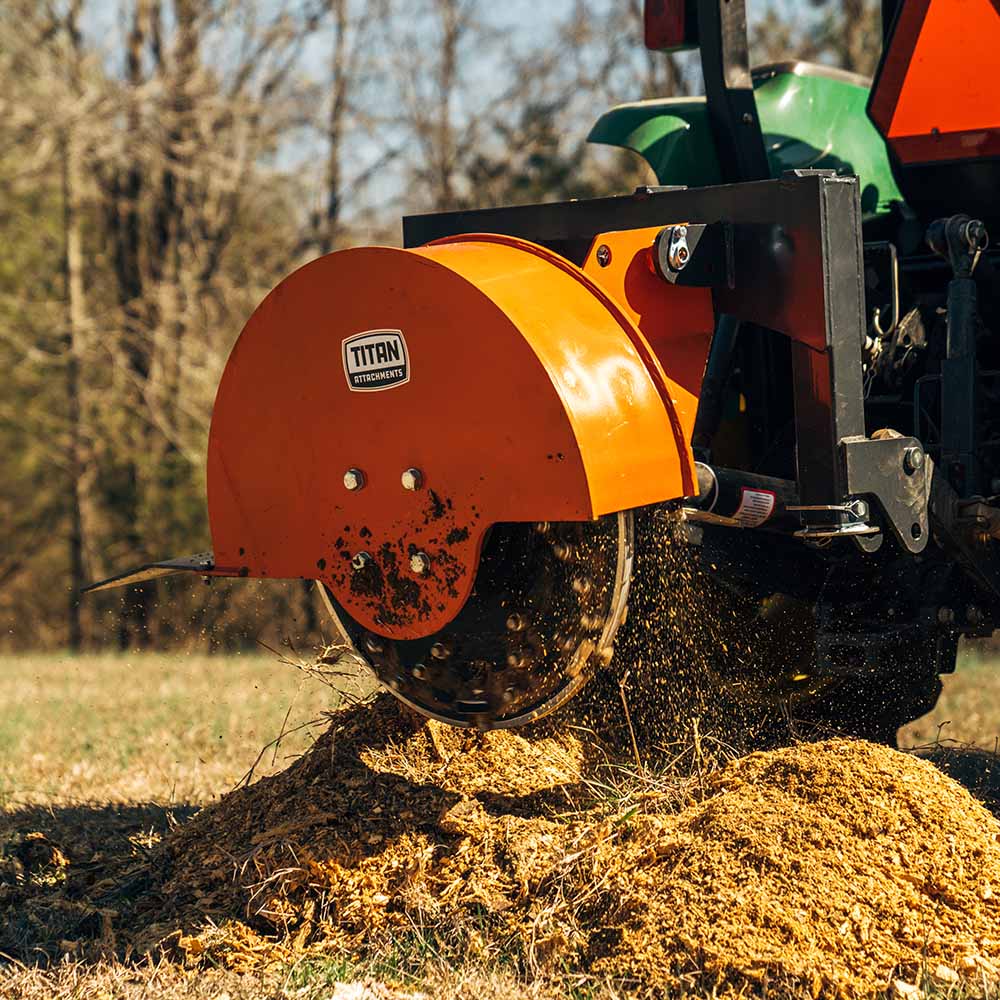
If you’re looking to clear out tree stumps efficiently, a tractor-driven stump grinder could be your best friend. These machines save you time and effort compared to manual methods. In this article, we’ll explore how to choose the right model for your needs, understand their features, and learn tips for operation and maintenance.
Key Takeaways
- Tractor driven stump grinders are faster and easier than manual removal.
- Look for models with high-quality carbide teeth for better cutting.
- Make sure the grinder matches your tractor’s power and hitch type.
- Regular maintenance helps keep your grinder in top shape.
- Consider the long-term savings when investing in a stump grinder.
Understanding Tractor Driven Stump Grinders
What Makes Them Unique
Tractor driven stump grinders are a game-changer in the world of land clearing. They’re designed to attach directly to your tractor’s PTO, turning your tractor into a powerful stump removal machine. No more back-breaking manual labor! These grinders offer efficiency and speed, making them stand out from manual methods.
How They Work
These machines are pretty straightforward. You hook them up to your tractor’s three-point hitch, and the PTO powers the grinder’s cutting wheel. As you drive the tractor forward, the grinder chews through the stump, turning it into mulch. It’s like giving your tractor a superpower!
Benefits Over Manual Removal
Using a tractor mounted stump grinder is way less tiring than doing it by hand. Here are a few perks:
- Speed: They can grind a stump in minutes, not hours.
- Efficiency: Less physical effort means you can tackle more stumps in one go.
- Versatility: They handle different stump sizes and types with ease.
If you’re tired of sweating it out with a shovel and axe, a PTO stump grinder might just be your new best friend.
Key Features of a Tractor Driven Stump Grinder
Alright, so the first thing you gotta check out is the cutting wheel. Size matters here. A 24-inch wheel is pretty standard and gets the job done for most stumps. But don’t forget about speed – 540 RPM is the magic number for a good balance between cutting and keeping your gear in shape.
Carbide Teeth Quality
Let’s talk teeth. The more, the merrier, right? More teeth mean smoother cuts. Look for grinders with replaceable carbide teeth. They’re tough and last longer, saving you a headache down the road.
Below-Ground Cutting Depth
Going deep is key. You want a grinder that digs at least 6 inches below ground. This ensures the stump is gone for good, not just hiding under the surface. It’s like making sure the job’s done right the first time.
Choosing the right features in a stump grinder is like finding the right tool for the job. It makes everything smoother and less of a hassle.
Choosing the Right Model for Your Needs
Assessing Your Tractor’s Compatibility
First thing’s first, you gotta make sure your tractor can handle the stump grinder. Check if your tractor has a Category 1 three-point hitch and can deliver between 15 to 45 HP. This is super important because without the right setup, the grinder just won’t work right. Trust me, you don’t want to find this out the hard way.
Power Requirements
So, power’s a biggie here. You need to ensure your tractor’s PTO can hit 540 RPM. This is the sweet spot for most stump grinders out there. If your tractor can’t manage this, you might be looking at some extra costs or adjustments.
Budget Considerations
Alright, let’s talk cash. While I can’t spill the exact numbers, think about how often you’ll use this bad boy. If you’re grinding stumps all the time, it might pay for itself compared to hiring someone. But if it’s just for the odd job, maybe think twice. It’s all about weighing the long-term savings against the upfront cost.
When choosing a model, remember: it’s not just about the price tag but how well it fits into your overall game plan. Make sure it checks all your boxes before you commit.
And there you have it, a quick guide to picking the right stump grinder model for your tractor and needs. Make sure everything aligns and you’ll be clearing stumps like a pro in no time!
Operation Tips for Optimal Performance
Proper Technique for Different Wood Types
When you’re tackling different types of wood, technique really matters. For softwoods, you can go a bit faster since they’re easier to grind. But with hardwoods, take it slow and steady to avoid wearing out your machine. Always check your grinder’s RPM and adjust as needed to match the wood type.
Seasonal Operation Tips
Seasons change, and so should your grinding strategy. In spring, the ground’s softer, so watch out for your tractor’s stability. Summer’s heat can make wood drier and easier to grind, but keep an eye on your equipment to prevent overheating. In winter, the ground might be too hard, so you might want to save the heavy grinding for another time.
Safety Considerations
Safety first, folks! Always wear protective gear like goggles and gloves. Keep bystanders at a safe distance and never operate the grinder without the safety guards in place. And remember, if something sounds wrong, stop and check it out before continuing. Your safety is more important than a quick job!
Using a stump grinder can be thrilling, but it comes with its risks. Always prioritize safety over speed to ensure a smooth operation.
Maintenance and Care for Longevity
Keeping your grinder in top shape is like brushing your teeth—gotta do it regularly. I spend a few minutes each week just checking the basics. Grease the fittings, tighten those bolts, and make sure there’s no debris clogging things up.
Replacing Carbide Teeth
When those teeth get dull, it’s time for a swap. Trust me, it’s like night and day. I keep a couple of spares on hand just in case. Changing them out isn’t hard, just a bit fiddly at times.
Storing Your Grinder
When you’re done grinding for the season, don’t just leave it out in the yard. I clean mine up and tuck it away in the shed. Keeps it from rusting and ready to go when I need it next time.
Pro Tip: A little TLC goes a long way in keeping your stump grinder running smooth. Treat it right, and it’ll be there for you when you need it.
Real User Experiences and Insights
Using a stump grinder for the first time can be a bit tricky. I remember setting mine up and realizing the driveshaft needed cutting. YouTube tutorials saved the day! But even then, my tractor was moving too fast over fresh hardwood stumps. I had to figure out how to slow it down without losing power to the PTO. It’s all about finding that balance.
I’ve heard from folks who cleared their entire property of stumps in just a weekend. One guy told me he felt like a superhero with his grinder, tackling every stump in sight. It’s amazing how quickly you can transform a landscape once you get the hang of it.
- Start small: Tackle smaller, dead stumps first before moving on to the big ones.
- Check your equipment: Make sure everything’s in working order before you start grinding.
- Patience is key: Sometimes it’s better to take it slow and steady, especially with tougher stumps.
"Learning to use a stump grinder is like learning to ride a bike. Wobbly at first, but once you get it, there’s no stopping you."
Cost Analysis: Is It Worth the Investment?
Comparing to Professional Services
Buying a stump grinder is like a long-term relationship. Sure, hiring a pro might seem easier, but those fees add up fast. Owning your own grinder means you say goodbye to those constant service charges. It’s a one-time hit versus ongoing payments.
Long-Term Savings
Once you own the grinder, it’s like having a money tree in your backyard. Every stump you grind is cash saved. Over time, the savings can be huge, especially if you’ve got a lot of land. Plus, it’s always there when you need it—no waiting around for someone else’s schedule.
Resale Value
Think of your grinder as an investment. Like a car, it might not hold all its value, but you can still get a decent chunk back if you decide to sell. Keeping it in good shape means you might even turn a profit. It’s like having a safety net for your wallet.
Investing in a stump grinder can feel like a big step, but when you look at the numbers, it often makes sense. You’re not just buying a tool; you’re buying freedom from service fees and gaining the convenience of handling things on your own schedule.
Innovative Features to Look For
Hydraulic vs. PTO Driven Models
Choosing between hydraulic and PTO-driven models is like picking a favorite ice cream flavor. PTO models are simple and less hassle, while hydraulic ones offer more control and power. Think about what suits your tractor best before making a choice.
Adjustable Mounting Positions
Having adjustable mounting positions is like having a multi-tool in your pocket. It lets you tweak the grinder’s height to match your tractor, making the process smoother and less of a headache.
Visibility Enhancements
Visibility enhancements make life easier. Some grinders let you see the cutting wheel from the driver’s seat, which is a game-changer for precision. Being able to see what you’re doing means fewer mistakes and faster work.
Remember, picking the right features is all about what fits your needs best. It’s like choosing the right tool for the job, and getting it wrong can be a real pain.
Troubleshooting Common Issues
Dealing with Bogging Down
So, your grinder’s bogging down, huh? This is super common and usually boils down to a few things. Maybe you’re biting off more than you can chew with each pass. Slow it down, take smaller bites. Or, you might be moving too fast across the stump. Try easing up on the gas a bit. Also, keep an eye on your RPMs. They should stay steady around 540 RPM.
Adjusting Cutting Depth
Getting the cutting depth right is like finding the sweet spot. Too shallow, and you’re wasting time. Too deep, and you’re asking for trouble. Start with a shallow cut and gradually work your way down. It’s like peeling an onion, layer by layer.
Maintaining RPM Levels
Keeping those RPMs steady is key. If your RPMs drop, it’s like trying to run a marathon with a cramp. Keep your throttle consistent and monitor your tachometer. Aim to keep it around 540 RPM. If it dips, ease off and let it recover.
Remember, each stump is different. What works for one might not work for another. Adjust your technique based on the wood type and condition.
Environmental Impact and Sustainability
Reducing Carbon Footprint
Using tractor-driven stump grinders helps cut down on carbon emissions compared to traditional methods. Less fuel consumption means fewer emissions, making these grinders a greener choice.
Eco-Friendly Practices
Incorporating eco-friendly practices like using biodegradable oils and lubricants can further enhance the sustainability of your stump grinding operations. These small choices make a big difference.
Recycling Wood Chips
Turning those pesky stumps into wood chips not only clears your land but also creates a resource. You can use these chips for mulch or compost, giving back to the environment and reducing waste.
Future Trends in Stump Grinding Technology
Stump grinders are getting smarter, just like phones. Imagine a grinder that knows the best way to tackle your stump without you lifting a finger. Automation is making that possible, with features that adjust grinding speed and depth automatically.
Safety is always a big deal. New grinders come with better safety features, like automatic shut-offs and emergency stop buttons. These make sure you and your machine stay safe during the grind.
Everyone’s talking about being green, right? Well, stump grinders are joining the chat. Manufacturers are using sustainable materials to build grinders that are both tough and eco-friendly. This means less waste and a smaller carbon footprint.
As technology evolves, stump grinders are not just about cutting wood—they’re about doing it smarter, safer, and greener.
As we look ahead, stump grinding technology is evolving rapidly. New machines are becoming more efficient and easier to use, making tree removal safer and faster. If you’re interested in the latest advancements in this field, visit our website to learn more and explore our products!
Wrapping It Up: Choosing Your Stump Grinder
So, there you have it! Picking the right tractor-driven stump grinder doesn’t have to be a headache. With models like the Titan Standard Series, you get a solid tool that makes stump removal quick and easy. Remember, whether you’re a newbie or a seasoned pro, understanding how to operate and maintain your grinder is key. Think about the type of wood you’ll be tackling, the depth you need, and how much power your tractor can handle. With the right choice, you’ll be clearing those pesky stumps in no time, making your yard look great and saving yourself a lot of effort. Happy grinding!
Frequently Asked Questions
What is a tractor driven stump grinder?
A tractor driven stump grinder is a tool that attaches to a tractor and helps remove tree stumps quickly and easily.
How does a stump grinder work?
It uses a rotating cutting wheel with sharp teeth to grind down tree stumps into small pieces.
What are the benefits of using a tractor driven stump grinder?
They are faster than manual methods, require less physical effort, and can handle larger stumps.
What should I consider when choosing a stump grinder?
Look at the size of the cutting wheel, the quality of the teeth, and how deep it can cut below the ground.
Can I use any tractor with a stump grinder?
No, make sure your tractor is compatible, usually needing a Category 1 hitch and enough horsepower.
How deep can a stump grinder cut?
Most stump grinders can cut at least 6 inches below ground, but some can go deeper.
What maintenance does a stump grinder need?
Regularly check and clean it, replace worn teeth, and store it properly to keep it in good shape.
Is it worth buying a stump grinder?
If you have many stumps to remove, it can save you money compared to hiring professionals.