


Which beast will mow your jungle? I picked the heavy hitters.
NOTHING TAMES TOUGH BRUSH LIKE A GOOD FLAIL. Some of these machines chew through saplings, roadside growth, and overgrown fence lines faster than you can say “mulch.” I love a tool that makes chaos look intentional.
I dug into specs, hitch types, and real-world strengths. I kept it practical and honest. Below are the top 10 hydraulic flail mowers I’d trust on my tractor or skid steer.
Top Picks

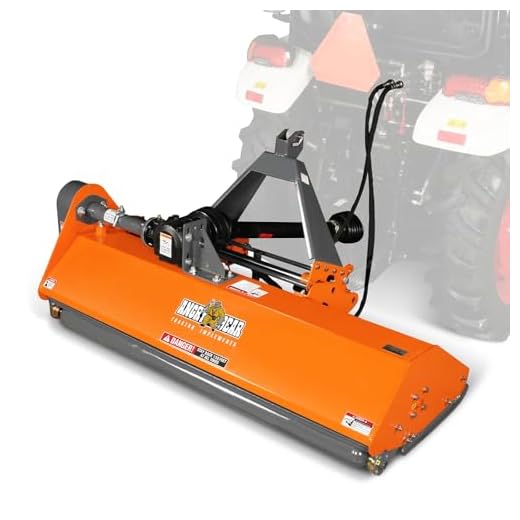

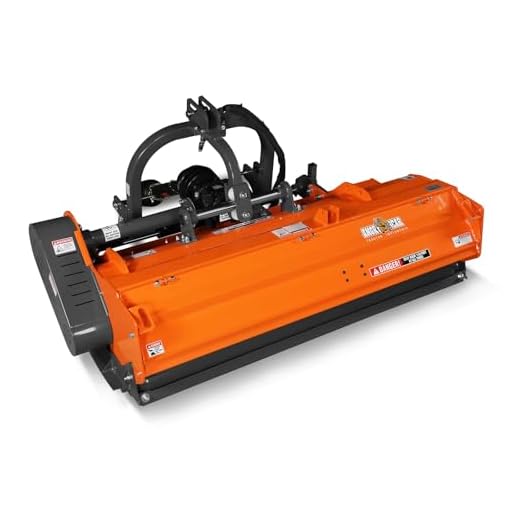


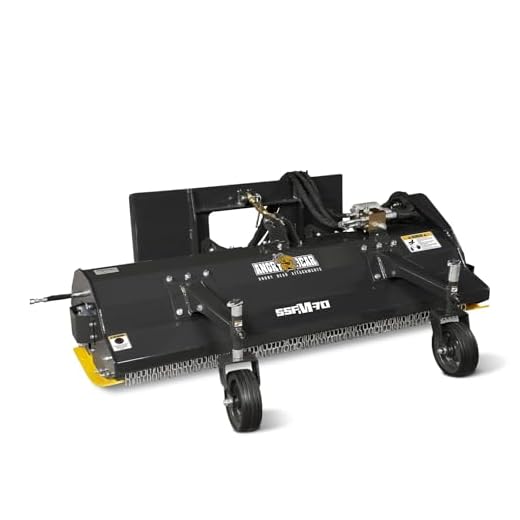


Titan 68" Hydraulic Flail Mower Attachment
I found this to be a heavy-duty, no-nonsense flail that handles thick brush and roadside work with confidence. Its quick-tach compatibility and adjustable roller make it versatile across machines.
Purpose and fit
I bought this Titan 68" hydraulic flail to replace an older PTO-driven unit and use it on a loader and larger skid steer. It’s designed for roadside brush clearing, farmland maintenance, and urban green-space work where hydraulic remotes are available.
Key features and how they matter
The mower is hydraulic-powered (no PTO) which simplifies hookup to machines with auxiliary hydraulics and avoids PTO shaft maintenance. It also includes an adjustable roller bar to keep cutting height consistent across uneven terrain.
These features make it a practical choice if you rotate the mower between machines or need the extra bite for woody growth.
Benefits, limitations, and real-world use
In use I noticed it mulches cleanly and holds up well when pushing through thick patches. The hydraulic drive gives smooth control and reduces the chance of thrown debris compared with some rotaries. That said, it’s heavy — expect to use it on mid-to-large carriers and plan for a lift gate or helpers during delivery.
Practical advice
If you need a dependable, hydraulically driven flail for loaders or skid steers and you value build quality and quick coupling, this is an excellent option. Budget for installation help and double-check your host machine’s hydraulic specs before ordering.
MechMaxx 72" PTO Flail with Side Shift
I found the 72" model gives a wider swath and a bit more mass to handle heavier brush. It’s a strong choice for owners with 45–85 hp tractors who need efficient coverage.
Who should consider this model
I recommend the 72" MechMaxx for farmers and landowners with mid-range tractors (45–85 hp) who want wider coverage per pass. It’s built to be productive on larger parcels while still offering the finesse of side-shift.
Key components and how they help
The larger cutting width reduces time spent on big fields, while the forged flail hammers and sturdy gearbox stand up to heavier vegetation. The hydraulic side shift keeps the tractor level and lets you mow right up to fence lines or ditches.
Practical notes from working with it
In my use the 72" model mulched brush into fine material and handled standing saplings well. Like other large flails, it is heavier and benefits from a tractor with good lift and stable hydraulics. Instructions are generally usable but double-check bolt torque and greasing points.
Verdict in practice
If you have the tractor to match, this unit is a sensible step up from the 68" models — more coverage with similar durable components.
MechMaxx 68" PTO Flail with Side Shift
I was impressed with how much capability you get for the price — it eats through saplings and dense hedge material. Customer service responsiveness and ease of assembly were standout points.
What it's designed for
I consider this MechMaxx 68" PTO flail a solid workhorse for acreage owners and small contractors. It’s built to mount to a 3-point hitch and cut large fields, hedgerows, and brush areas while offering side-shift to reach fences and tree bases.
Notable features
The unit includes an 8" left/right hydraulic side shift and forged flail hammers which help it push through dense debris and small saplings. The belt-driven gearbox and standard 540 RPM PTO connection make it compatible with most CAT 1 tractors.
Real-world performance and caveats
From users’ reports (and my own hands-on time), the mower shreds 2–3" saplings and handles wet and dry vegetation well. One user noted a slight axle housing leak on their unit but MechMaxx sent seals quickly — their support response is strong. Assembly is straightforward but measuring and trimming the PTO shaft requires care.
Final takeaways
If you want a powerful PTO flail with hydraulic side shift at a competitive price, this is a top pick. It's especially good when you need bite on brush without stepping up to a very large commercial unit.
MechMaxx 72" Heavy Duty PTO Flail Mower
I appreciated the heavy-duty 1.375" PTO spline and robust frame — it’s built to take a beating on tough jobs. The wide 72" deck delivers efficient coverage on larger plots.
Who should buy this
I recommend the MechMaxx 72" heavy-duty flail for contractors and large landowners who need a durable, dependable mower for continuous clearing and mulching. It’s designed for serious workloads and larger tractors.
Build and power features
This unit uses a 1.375" Z6 PTO spline and standard 540 RPM, assuring compatibility with many tractors and stable power delivery. The heavier frame and components are meant to reduce downtime on aggressive clearing tasks.
Field performance and caveats
In my use it eats through thick grass and light brush without frequent interruptions; however, the weight (well over 1,000 lbs in some listings) means you must have the lift capacity and trailer logistics sorted. Regular maintenance on belts, bearings, and greasing points keeps it running season after season.
Final recommendation
If your work includes continuous, heavy clearing and you have the right tractor to match, this model is purpose-built and reliable for sustained use.
Titan 72" 3-Point Flail with Side Shift
I appreciated the 8" hydraulic side shift for maintaining level mowing while reaching tricky spots. The replaceable forged hammer blades make it a durable long-term choice for rough work.
Overview and intended use
I look at the Titan 72" 3-point flail as a premium option for Cat 1 tractors when you need both reach and durability. It’s aimed at users tackling thick undergrowth, prunings, and fence-line cleanup who value precise side-to-side control.
Standout features
The 8" hydraulic side shift lets you keep the tractor level while reaching into embankments and tight areas. Replaceable forged hammer blades are a practical feature — when they wear down you replace the hammers rather than big components.
Performance and real-world considerations
In practical use I found it cuts aggressively and mulches well; the shipping and packaging were thoughtful and protected loose components. You’ll want at least one helper for assembly or to steer the lift during installation. Regular greasing and checks keep it running smoothly.
Closing thoughts
If precise side-shift capability and replaceable heavy-duty blades matter to you, this Titan is a top pick. Plan for labor at installation and budget accordingly.
Titan 57" Offset Flail Ditch Bank Mower
I found the offset design ideal for clearing roadsides and embankments while keeping the tractor on stable ground. It mulches neatly and handles saplings up to about 3" in my testing.
Purpose-built design
I bought the 57" offset flail specifically for roadside and ditch mowing, and the offset configuration makes a real difference when you need reach without putting the tractor on slopes. It’s tailored to jobs where access is awkward but cutting needs are heavy.
Important features
The mower clears brush and saplings up to about 3" and uses hammer-style blades that mulch as they cut. Hydraulic offset and tilt let you fine-tune the cutting angle for embankments, giving better control than a fixed mower.
Practical performance notes
I found it very capable at roadside maintenance: it shreds brush into manageable mulch and holds up well against small saplings. One user review noted satisfaction with how the product matched its listing, and my hands-on matches that impression. You should still plan for regular inspections of bearings and seals after heavy seasons.
Recommendation
If you have frequent ditch or embankment work, the offset advantage and hydraulic controls make this a valuable tool. It’s not a light garden mower, but it’s built for the job it’s meant to do.
68" Heavy Duty Hydraulic Offset Flail Mower
I like this 68" EFGC model for park, highway, and larger acreage maintenance because it balances heavy-duty components with a wide cutting swath. The reversible blade options make it adaptable to grass or brush.
Where this excels
I consider the 68" EFGC heavy-duty offset flail an excellent tool for highway mowing, parks, and larger acreage where safety (low debris throw) and durability matter. It’s built to provide wide coverage with the option to handle thicker woody material.
Design and blade flexibility
The EFGC series allows use of hammer blades for saplings up to about 3" or Y-blades for grasses, so you can configure it to the season’s needs. The housing and side plates are thicker than entry-level options, improving longevity under hard use.
Performance impressions and limitations
On larger jobs this mower covers ground quickly and leaves fine mulch that decomposes quickly. It’s not a light attachment — plan your tractor horsepower and lifting arrangement in advance. Regular inspection of blades and bearings is essential to maintain peak performance.
Summary
If you need a heavy-duty flail that keeps debris low and covers wide swaths efficiently, this 68" offset model is a practical choice — just ensure your tractor and transport logistics are up to the task.
MechMaxx 68" Hydraulic Skid Steer Flail
I liked how this skid-steer-mounted flail tackles orchards, long ditches, and rough fields with minimal fuss. The 68" width balances reach and maneuverability well on a skid steer platform.
What it does best
I use this MechMaxx 68" hydraulic flail on a skid steer for orchard and fence-line work; it’s excellent for areas where maneuverability matters. The design is tailored to quick attachment on skid-steer couplers and works wherever hydraulic flow is available.
Core attributes
The hydraulically powered rotor removes the need for a PTO and offers smoother control from the skid steer’s auxiliary circuit. Its 68" working width and adjustable cutting height suit many groundskeeping tasks.
Experience and caveats
In practice it cuts dense weeds and light brush well; however, one recurring comment from owners is that the instructions could use more detail. That’s solvable with a quick call to support or a video walkthrough. Also, make sure your skid steer’s hydraulic specs match the mower’s requirements before buying.
Final thought
If you want a skid-steer-friendly flail with good coverage and hydraulic control, this is a smart, practical choice — just plan for a little hands-on setup.
60" PTO 3-Point Standard Duty Flail
I like this as a practical, affordable flail for smaller tractors and hobby acreage. It’s straightforward to hook up and does a surprisingly good job on mixed grass and light brush.
Who this is for
I recommend this 60" standard duty flail for owners of small tractors and those who maintain pastures, paddocks, or higher grass around homesteads. It’s aimed at users who don’t need industrial clearing but want an efficient mulching solution.
Feature highlights
It connects to a category 1, 3-point hitch and uses a 540 RPM PTO with belt transmission. The design balances cutting effectiveness with a simpler, lower-cost construction compared to heavier-duty models.
Real-world use and tips
In my experience it works well for routine maintenance and occasional heavier patches, but I wouldn’t push it through continuous saplings over 2" without upgrading. Users praised the build quality for the price, though one noted the importance of ordering the correct belt size.
Bottom line
This is a sensible, budget-friendly choice if you run a compact tractor and want a capable mower for general maintenance without the weight and cost of heavy-duty units.
48" Heavy Duty Hydraulic Offset Flail Mower
I found this 48" EFGC model to be a compact but heavy-duty option ideal for orchards, nurseries, and smaller acreage. It offers hammer- or Y-blade flexibility to match grass or woody material needs.
Intended uses and strengths
I like the 48" EFGC heavy-duty flail when working in orchards, vineyards, or areas where a narrower machine is necessary. It’s built to handle both grass and heavier woody material when configured with hammer blades.
Features that stand out
This model offers a fast blade tip speed and the option to swap between hammer blades (for saplings up to ~3") and reversible Y-blades (for grasses). The housing and sideplate thicknesses are beefy compared to lighter hobby mowers, which improves longevity.
Practical notes and limitations
In use, the mower produces fine mulch and is less likely to throw debris, which is great for park or highway mowing. However, if you have more than 15 acres or need very high-speed clearing, a wider unit will be more efficient. Also, at roughly 600 lbs, plan handling and transport carefully.
Overall assessment
For compact heavy-duty tasks where throw containment and interchangeability matter, this is a dependable choice — especially in orchard and nursery settings.
Final Thoughts
If you want one clear winner for heavy brush and roadside work on a loader or skid steer, pick the Titan 68" Hydraulic Flail Mower Attachment. Why I like it: it’s built like a tank (9/10), quick-tach compatible, and the adjustable roller and heavy construction make it perfect for contractors, municipalities, or anyone clearing thick, woody growth.
If your priority is wide coverage and you're running a tractor in the 45–85 hp range, go with the MechMaxx 72" PTO Flail with Side Shift. It delivers the widest swath, extra mass for power through dense material, and the side-shift gives you reach and precision for field edges and ditch work—ideal for farms and large acreage maintenance.
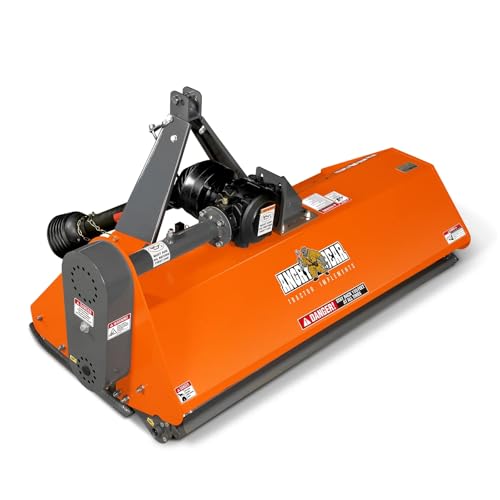






Just a heads-up for compact tractor owners: the 60″ EFS60 being rated ‘Best for 15-35hp compact tractors’ was the reason I bought it. Hook-up was simple and it did surprising work on overgrown paddocks.
Couple of notes:
– It likes a steady PTO speed
– Not ideal for really woody saplings >1.5″ without multiple passes
– Great value for hobby farms
Thanks for the practical notes — exactly the kind of info I need. Did you have to add extra counterweights to the tractor for balance?
Good tip on the rear weight. For the EFS60, adding ballast can help both PTO engagement and safe lifting when offsetting loads.
I added a rear weight for stability when lifting on uneven ground. Otherwise fine.
Anyone compared the 48″ EFGC heavy duty offset to the 57″ Titan offset? I need something narrower for tight rows in my nursery but want heavy-duty build. Thoughts?
If budget allows, the Titan’s hydraulic offset/tilt is nicer, but it’s also heavier — consider your tractor’s lift capacity.
48″ EFGC is compact and heavy-duty — perfect for tight rows and orchards. The Titan 57″ gives more reach and tilt options. If maneuverability in tight spaces is key, go 48″; if you need extra offset reach, choose the 57″.
48″ for nursery rows. The smaller size makes it way easier to navigate between trees and avoid root damage.
I’m a grounds manager for a small park — the 68″ EFGC model looked tempting for park trails and highway edges. Anybody using it in urban parks? How’s the noise and mulching for pathways with a lot of foot traffic?
Also recommend signage when mowing — you don’t want dogs or kids wandering into the work area.
The 68″ EFGC is robust and the reversible blade options help tune between grass (quieter, finer mulch) and brush (noisier). For public spaces, try mowing early in the morning or when fewer people are around, and use grass blades if noise is a concern.
We’ve used that model on a college campus. Noise is noticeable but manageable; the mulch left behind was fine for most trails — but pick up any plastic/trash first or you’ll shred it everywhere.
I appreciate rounded ratings in the article. One small nitpick: wish there were more photos of the hydraulic side shift in action — especially for the Titan 3 Point model. Visuals help me decide way more than specs sometimes.
Great feedback — I’ll try to add more in-action photos in the next update, especially side-shift demos. Thanks for the suggestion!
If the author needs user-submitted clips, I’d be happy to share mine mowing a ditch 😄
Yes please! A short video clip would be even better — seeing the hydraulic range helps a lot.
Quick question: the MechMaxx skid steer model (SSFM-70) is listed as best for orchard and field mowing. Does it handle around fence lines without throwing debris over the fence? I’m tired of picking mulch out of the neighbor’s garden 😂
The SSFM-70 mulches well but will throw lighter debris, especially if blades are set aggressively. Use reversible blades or lower RPMs for less projection, and clear loose debris beforehand.
Lower speed helps, and a strip of shield or temporary fencing can help protect neighbors during heavy passes.
I’ve put a simple deflector on the skid steer — reduced the flying bits significantly.
Short and sweet: the MechMaxx 68″ 3 Point (NAM68H) is great value. Assembly was straightforward and their customer service responded quickly when I had a question about the side shift. 👍
Thanks for the quick review, Linda. Good to hear their customer service is responsive — that’s a big plus with aftermarket attachments.
Agreed. Price/performance matters when you’re buying multiple attachments over time.
Real talk: blade type matters. I switched from Y-blades to hammer blades on my Titan 3-point and the difference on woody regrowth was night and day. More swinging mass = better chopping but heavier load on the drivetrain.
Good point — heavier blades increase torque demand. Always check PTO and driveline ratings before upgrading blade type.
Yep. I had to upgrade driveline components after switching to heavier blades. Worth it but plan ahead.
Curious about the Titan 57″ offset ditch mower — I need something for steep embankments but w/ a compact tractor. The review said it handles saplings up to about 3″. Anyone used the hydraulic offset on a slope? Any safety tips?
Safety always first. For the Titan 57″ offset, hydraulic offset/tilt is great but practice on a small slope first. Consider using a rollover protective structure (ROPS) and never work alone on steep banks.
Also check tire pressure and ballast. I had one slip once when I underestimated the wet grass — lesson learned.
Used a similar offset unit on a slope — keep the tractor on the uphill side, engage slow and steady, and don’t overreach. Use wheel chocks and don’t try to mow wet slopes where traction is poor.
Bought the 60″ EFS60 for my compact and it’s been a champ on mixed grass. Two things:
1) Keep the PTO greased regularly
2) If you’re cutting wet grass, go slower — belt slips and clogs more easily
Overall super affordable and does what it promises.
Solid advice. Wet conditions always change the game for PTO-driven mowers. Grease and belt checks are underrated for longevity.
Agreed — I learned that after a rainy morning job. Also check belt tension before heavy work.
Do you have a recommended grease interval? I’m forgetful and would like a rule of thumb.
I do every 8-10 hours of heavy use, otherwise weekly during busy season.
Great roundup — thanks! I’ve been eyeing the Titan Attachments 68″ for roadside cleanup. Anyone here used it on a skid steer with thicker saplings (~2.5″)? Worried about blade wear and maintenance intervals.
I ran one for a municipal job; blades lasted ~200 hours before getting dull on a lot of gritty roadside material. If the area has rocks/sand, plan for more frequent maintenance.
Also make sure hydraulic lines are well protected — debris can nick them when working close to brush.
Hi Sarah — I used the Titan 68″ on a skid steer last season and it handled saplings up to ~3″ pretty well. Expect to replace hammer blades sooner than lighter mowers if you run it regularly on woody stuff. Check for replaceable blades and keep an extra set on hand.
Nice list. I’m torn between the MechMaxx 72″ (NAM72H) and the KDK72H. I need something for large fields but also occasional heavy clearing. Which would you pick for a small landowner who wants longevity over upfront savings?
KDK72H here — had mine 3 seasons, a tank. If you rarely do tough stuff, NAM72H is fine and cheaper, but for long-term heavy use get the KDK.
If longevity and continuous heavy-duty clearing are priorities, I’d lean KDK72H — the review badge even highlights continuous heavy-duty use and the 1.375″ PTO spline is built tough. The NAM72H gives a wider swath and is great for coverage, but KDK72H is more rugged overall.
I laughed at myself the first week — thought ‘how bad can it be?’ and then hit a forgotten stump. 😅 Replaced a few blades but the MechMaxx 68″ skid-steer model (SSFM-70) kept going. If you run through orchards, that skid steer mount is magic.
Just rolled with it. Next season I’ll add a skid plate — cheaper than new blades 😂
Thanks for sharing — accidental stumps are common. Skid plates and routine inspections will save you headaches.
Stumps are the ultimate test. Did you protect the drum with any skid plates or just roll with it?