

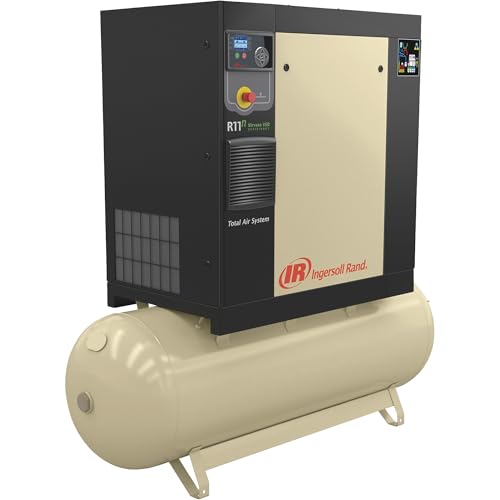
Which 15 HP Compressor Will Keep Your SHOP Humming — and Your Electric Bill from Screaming?
Compressed air: the unsung hero of every shop. I’ve seen projects saved, deadlines met, and a lot of frustrations avoided thanks to the right compressor. Short story: a bad air source is the fastest way to ruin a great tool.
Top Picks
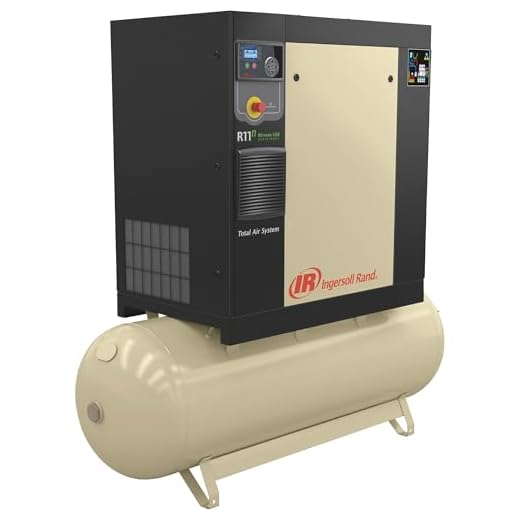


Ingersoll Rand 15 HP Total Air System
A turnkey solution that combines compressor, dryer, and filtration into one compact lineup; great for shops that want minimal setup and consistent air quality. It balances build quality, serviceability, and peak performance for heavy use.
Overview
I regard this model as a full-featured commercial solution built for shops that need dependable, clean compressed air without buying separate ancillaries. It pairs a 15 HP oil-flooded rotary screw element with an integrated dryer and filtration, so you’re getting a nearly plug-and-play compressed air system rather than just a pump.
Key features and what they mean
Those features translate into stable, dry air for painting, pneumatic tools, or production lines — and fewer compatibility headaches at install time. The integrated dryer and filters are a real timesaver when you don’t want to spec separate components.
Benefits, limitations, and practical notes
If you want a dependable, low-hassle install and the budget accommodates it, this is one of the most complete 15 HP systems you can buy. If you only need the pump and plan to match your own dryer/filters to a specific use case, you might save money by selecting a standalone compressor and buying ancillaries separately.
Quincy QGS 15HP 120-Gallon Compressor
A classic workhorse with a twin-screw oil-injected design and continuous 100% duty cycle, built for production floors and long shifts. The large 120-gallon tank smooths delivery for demanding intermittent loads.
Overview
In my experience Quincy has a strong reputation for reliability, and this QGS 15 HP model is engineered to be a continuous-duty production compressor. The twin-screw, oil-injected architecture gives consistent performance and comparatively low noise for a 15 HP system.
Features that matter on the shop floor
Those points make this a good fit for machine shops, fabrication, and light production lines where uptime matters more than initial cost. The model’s reliability and serviceability are the reasons many shops standardize on Quincy hardware.
Practical advice and limitations
I’d recommend this machine when you need a dependable, always-on air supply and are prepared to invest in proven equipment. For continuous operations it’s one of my top recommendations in the 15 HP class.
KAPA 15HP Variable Frequency Compressor
Designed with VFD capability and strong airflow (around 66 CFM), this is a smart pick when energy efficiency and soft-start features matter. It’s well suited for shops with fluctuating air demand that want lower operating costs over time.
Overview
I consider this KAPA model the best pick for shops that prioritize energy efficiency and smoother electrical behavior. With a VSD/VFD-capable setup and an advertised ~66 CFM, it bridges the gap between cost and operational savings over time.
Key technical notes
The variable speed capability is the real advantage: it reduces energy draw when demand is low and eliminates brute-force starts that stress motors and electrical feeds. If your shop has cyclical demand or long idle times, the VFD pays back in lower bills and smoother operation.
Installation and real-world use
If energy consumption and controlled starts matter more than the lowest possible purchase price, this unit offers a compelling operational ROI. Just plan for the electrical requirements and initial setup.
MechMaxx 15HP Industrial Rotary Compressor
A surprisingly capable industrial unit at a very competitive price, aimed at shops that want heavy-duty components without a premium badge. It sacrifices a bit of flow compared with top-tier OEMs but delivers solid construction and serviceable components.
Overview
I like this MechMaxx as a no-nonsense option when budget matters but you still need industrial-class internals. The focus here is clearly value — it uses proven bearings and a dust-protected motor design to stretch dollars without cutting too many corners.
What stands out
For small-to-medium shops that don’t need maximum CFM but do need reliability, those specs are compelling. The motor and bearing choices are the features I trust most here — they directly affect uptime and mean less unscheduled maintenance.
Practical considerations
Overall, this is a solid value pick: you get durable internals and modern controls at a fraction of the cost of OEM packaged systems. Just be realistic about capacity needs and electrical requirements before committing.
Schulz SRP-3015 Compact-II Rotary Compressor
A compact, service-friendly 15 HP unit that’s designed to fit where larger packages won’t. It’s built for continuous operation, but you’ll want to manage noise and ensure the airflow meets your tool requirements.
Overview
I appreciate this Schulz Compact-II when floor space is at a premium but continuous duty is non-negotiable. It’s engineered to run 24/7 without an enclosure, with a layout that makes routine maintenance straightforward.
Notable specifications and practical points
This combination is ideal for smaller shops, mobile installs, or plants where a larger vertical tank won’t fit. The compact design reduces installation complexity and allows the unit to be tucked into tighter mechanical rooms.
Usage tips and caveats
If you need a 15 HP compressor that fits into constrained spaces and you can mitigate noise, this is a very sensible pick. For quieter or higher-flow needs, consider a larger-tanked or more heavily insulated alternative.
Final Thoughts
If you want one recommendation to simplify your life, pick the Ingersoll Rand 15 HP Total Air System. It’s my top pick for most shops because it bundles compressor, dryer, and filtration into a single, serviceable package — ideal for small production shops and maintenance shops that value consistent AIR QUALITY and minimal fuss.
If you run long shifts or a production line that needs 100% uptime, go with the Quincy QGS 15HP 120-Gallon Compressor. Its twin-screw, oil-injected design and continuous-duty capability make it the best choice for heavy, continuous use. It pairs well with large tanks and high-demand tools on the shop floor.
Buying & Ownership Guide — What I Tell People Before They Buy
1) Match CFM and Duty Cycle to Your Tools
Start with actual tool demand, not just HP. Add the CFM of the tools you run simultaneously, then add a 20–30% safety margin. A 15 HP motor can deliver different CFM depending on the compressor design (rotary screw vs. pump). For continuous production you need a 100% duty-cycle unit like the Quincy; for intermittent use a packaged unit with a tank works well.
2) Think Beyond the Compressor: Filtration, Drying, and Piping
Compressed air is only as good as its treatment. The Ingersoll Rand Total Air System won points because it includes dryer and filtration — that saves headaches and protects tools and finishes. If you buy a bare compressor, budget for a refrigerated dryer and at least particulate and coalescing filters. Use 1/4" to 1" schedule 40 steel or aluminum piping sized to run the required CFM with minimal pressure drop.
3) Installation, Ventilation, and Noise Considerations
Install compressors on level concrete, with vibration pads where appropriate. Provide intake air that’s cool and clean — intake temps affect efficiency. For tight spaces, pick compact models like the Schulz but plan for airflow clearance and consider sending the noisy equipment to a separate room or external enclosure.
4) Maintenance Schedule and Parts to Stock
I recommend keeping these spares on hand: oil, oil filters, air intake filters, separator elements (for oil-injected units), belts, and drain valves. Set reminders: visual checks weekly, filter/oil inspections at 500 hours, and a full service at 1,000 hours. Keep a service log and label service intervals right on the machine.
5) Budget vs. Premium — Where to Compromise
If you’re budget-conscious, MechMaxx gives great value: solid build, lower price, and serviceable parts. Accept a bit lower flow and maybe a shorter warranty. If energy is a big ongoing cost, step up to a VFD model like the KAPA — you'll usually recoup the premium through savings. For tight floor space or retrofit installs, the Schulz is a smart compromise.
Quick Buying Checklist
I always tell shop owners: measure actual demand, plan for treatment and maintenance, and buy the simplest unit that meets your long-term needs. That approach saves money, downtime, and a lot of late-night troubleshooting.
FAQ
If your work involves painting, food, or medical-grade applications, choose an oil-free unit or add high-efficiency filtration and a refrigerated dryer. For general industrial use, oil-injected compressors like the Quincy typically offer better longevity and higher flow at a lower price point — but you’ll need to manage oil carryover with proper filtration.
Not if you have intermittent high-demand tools (spray booths, heavy impact tools). A larger tank smooths pressure drops and reduces short-cycling. For steady continuous loads, tank size matters less than compressor capacity and duty cycle.
Yes — if your tool demand fluctuates. A VFD unit like the KAPA adjusts motor speed to match demand, lowering energy use and reducing mechanical stress from frequent starts. If your demand is constant and high, a fixed-speed continuous-duty unit can be simpler and cheaper to maintain.
Basic inspections every month (drains, belts, filters), oil changes and filter swaps every 500–1,000 hours (check the manual), and a more thorough service annually. Keep a maintenance log — it saves time and money in the long run.
Yes, but choose a compact, service-friendly model like the Schulz SRP-3015 and plan for ventilation and noise control. Leave enough clearance for service panels and airflow. If noise is a concern, consider acoustic enclosures or remote mounting.





Tank size seems to vary a lot between these — 53.9 gal (Ingersoll Rand) vs 120 gal (Quincy) vs 60 gal (Schulz). If I mostly run intermittent impact wrenches and sanders, how much does tank size actually matter? Is bigger always better, or just overkill?
Bigger tanks smooth pressure drops and reduce cycling frequency, which is helpful with intermittent high-demand tools. For intermittent handheld tools, a moderate tank is usually fine; for production lines or simultaneous multi-station use, a larger tank like Quincy’s 120 gal helps maintain steady pressure.
I run a handful of impact guns and a sander; went with a 60–80 gallon setup and it’s plenty. If you only have one or two tools at a time, you probably don’t need 120 gallons.
Also remember tank size adds to footprint. If floor space is tight, consider a VFD unit with a smaller tank but better flow control.
I bought a MechMaxx M15AC230 last year for my small fabrication shop because the price was hard to beat. A few thoughts:
– The build feels solid for the money, like the roundup said.
– It does give less CFM than some OEMs (45 CFM vs 52–66 in others), so if you run a lot of impact tools simultaneously you’ll notice it.
– Maintenance is pretty straightforward; my tech likes the access panels.
Not the flashiest brand but great value. Anyone else run a MechMaxx and have issues with pressure drop when multiple tools are on?
Thanks for sharing, Sara. The MechMaxx is grouped as the budget option for that reason — solid hardware but lower peak flow. If you consistently hit pressure drop, consider a larger receiver or stagger tool use, or step up to a higher CFM unit like the Quincy or KAPA with VFD.
Also check for leaks — sometimes pressure drop is just bad fittings, not the unit itself.
I had the same issue until I added a secondary receiver and a short buffer line. Not ideal, but it smoothed things out without upgrading the compressor.
Did you monitor duty cycle? If it’s running near 100% all the time the motor could overheat. MechMaxx is fine for intermittent heavy use, but not a constant 24/7 production line.
Thanks for the roundup — this was super helpful!
I’ve been running an older Ingersoll Rand in my shop for years and the “all-in-one” packages really are nice if you hate messing with separate dryers and filters. The model you highlighted sounds like the same philosophy: less hassle, consistent air.
Two quick notes from experience:
1) Check service access — make sure you can reach filters and belts without moving the whole unit.
2) If noise matters, plan some acoustic treatment; big packages can surprise you.
Curious if anyone compared the Ingersoll Rand to the Quincy for long continuous runs?
Also watch your shop’s duty cycle vs what the unit is rated for. IR is great, but if you’re truly 24/7 I’d pay extra for the QGS or a similar industrial workhorse.
I swapped from a packaged IR to a Quincy two years ago for a production line. The Quincy ran cooler and handled long shifts better, but our maintenance guy liked the IR layout better for quick swaps of filters. Tradeoffs for sure.
Great points, Emily. The roundup notes the Quincy QGS as the better continuous heavy-duty choice — bigger tank and 100% duty cycle — while the Ingersoll Rand wins on convenience. If you do long production runs, Quincy typically wins on wear and consistent CFM delivery.
So someone calls a big noisy metal box “Best All-in-One” and I’m supposed to be impressed? 😂
Kidding aside, I’m skeptical of the “turnkey” pitch — in my experience you trade simplicity for repair headaches when the integrated dryer or filters fail and you’re stuck waiting for a single service call that fixes everything. Is that a fair take or am I being petty?
Not petty — it’s a valid tradeoff. Packaged units reduce install complexity and footprint, but when a single component needs service it can temporarily affect the whole system. Consider service network and local tech availability when choosing an all-in-one.
I agree. I had a packaged unit offline for a day while waiting for a dryer part. If uptime is critical, separate components with redundancy can save you headaches.
Quick question — several of these list multiple voltage options (208/230/460) and the KAPA mentions 480V VFD. If I buy on Amazon how hard is it to make sure I get the right electrical setup? I’m not an electrician but my shop has 230V 3-phase.
Is it mostly a matter of ordering the right configuration or do installers usually handle conversions?
Good question — always confirm the exact voltage/configuration before ordering. Many sellers list multiple SKUs or configurable options on Amazon; others ship a factory-voltage unit. For VFD models, you can sometimes wire them for different inputs but that should be done by a licensed electrician. If your shop is 230V 3-phase, order that spec or confirm with the seller.
I had an Amazon vendor ship a 460V unit by mistake once — big headache. If possible, contact the seller after ordering and get written confirmation of the voltage. That saved me from returns the second time.
I ended up ordering the Schulz Compact-II for my home garage (tiny space) and it actually fits perfectly — quiet enough overnight and has enough CFM for my air tools 🙂
A few random thoughts:
– The horizontal tank saved me from reworking the layout
– Assembly on delivery was surprisingly easy
– Pro tip: put it on vibration pads, saved me from rattling the drywall 😂
Anyone else use the Schulz in a confined space? Any noise dampening suggestions?
Nice — glad it fits. Just don’t forget service access if you box it in. Learned that the hard way when my tech couldn’t get to the dryer 😂
If you’re tight on space, those foam-backed curtains used in studios work surprisingly well for dampening and are cheap.
I boxed mine in with a framed MDF enclosure lined with acoustic foam and added a vent duct. It cut noticeable noise but keep an eye on motor temps — ventilation is key.
Great to hear the Schulz worked out for your garage, Hannah. Vibration pads are a good call. For noise dampening, consider an acoustic enclosure (with ventilation) or relocating the intake outside if possible. Also a short intake duct with a muffler helps.
Love the KAPA KQ’s VFD focus — I’ve been trying to reduce power draws in my small machine shop.
A few questions:
1) Does anyone have real-world numbers on savings from VFD vs fixed-speed for a 15 HP unit?
2) Are VFD compressors harder to maintain?
I’ve read VFDs can cut energy cost significantly when you have fluctuating air demand, but I’m trying to justify the upfront cost.
Thanks!
One more tip: look for models that include remote monitoring or built-in analytics — they help tune the VFD and justify ROI tracking.
We retrofitted a VFD on a similar-sized unit and cut energy use ~30% over a year. Payback was about 2–3 years including install. Your mileage may vary based on how often the compressor unloads.
Maintenance isn’t much harder, just different. Make sure the tech knows VFD-specific checks and keep the drive area clean so it doesn’t overheat.
VFDs also help with soft starts, so you reduce starting current and stress on your electrical panel. Worth considering if your startup load is an issue.
VFDs can offer substantial savings when air demand fluctuates — sometimes 20–40% lower power use depending on duty cycle. They do add some electronic components that require different maintenance checks (e.g., drive cooling, capacitors), but many shops find the energy savings justify the extra care.