

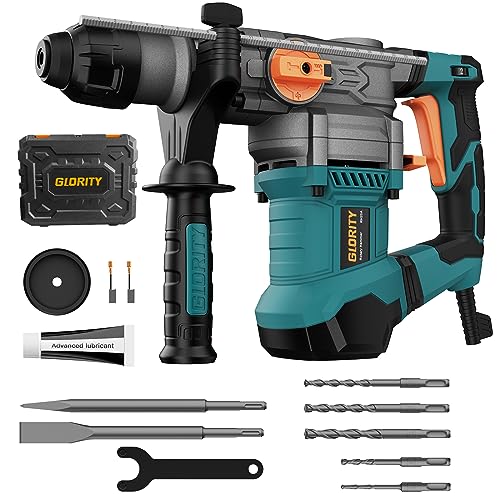
Whether you’re a seasoned contractor or a DIY enthusiast, choosing the right power tool can make all the difference in your projects. Today, we’re diving into the world of rotary hammers and hammer drills, two must-have tools in the construction and DIY toolbox. Let’s explore the similarities, differences, and applications of these powerful tools to help you make the best choice for your next project. Welcome to our comparison of Rotary Hammer vs. Hammer Drill!
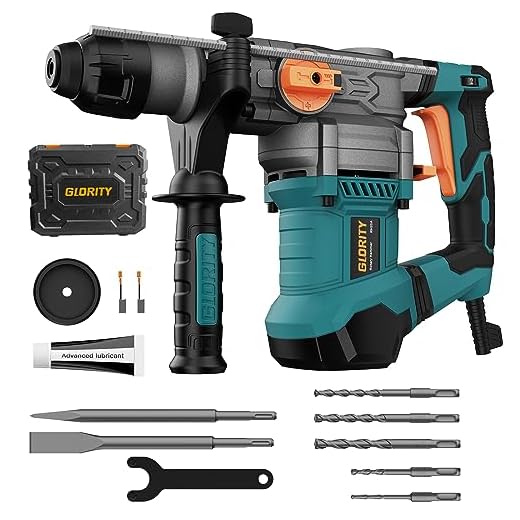
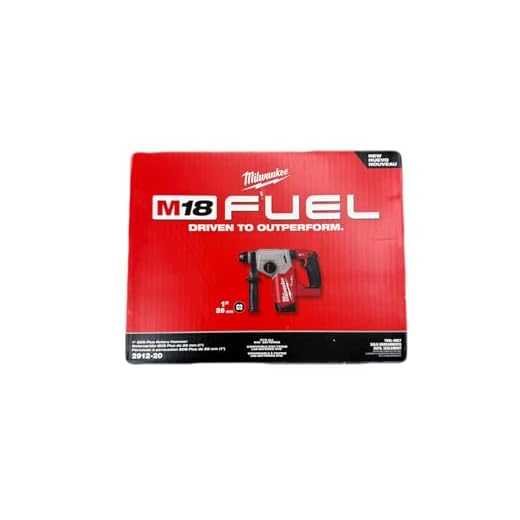

What is a Rotary Hammer?
When it comes to heavy-duty drilling through tough surfaces such as concrete and masonry, a rotary hammer is the go-to tool for both professionals and DIY enthusiasts. Let’s dive into the intricacies of this versatile tool, understanding its design, function, and various applications.
Design
Rotary hammers are designed with a unique mechanism that combines the pounding action of a hammer with the drilling rotation of a drill. This hybrid design allows the tool to deliver a powerful blow to break through hard materials effortlessly. Key components include:
- Piston: Driven by a crankshaft, the piston creates the hammering action.
- Hammer Mechanism: Transfers the impact energy to the drill bit.
- Anti-vibration Mechanism: Reduces strain on the user during operation.
- Housing: Encases the internal components, providing durability and protection.
Function
The primary function of a rotary hammer is to drill into challenging materials like concrete and masonry with speed and precision. Here’s how it works:
- Hammering Action: The piston strikes the rear of the drill bit, delivering rapid blows to break through the material.
- Rotation: Simultaneously, the drill bit rotates to remove debris and create a clean hole.
- Impact Energy: The combination of hammering and drilling motions generates high impact energy, making quick work of tough surfaces.
Typical Applications
Rotary hammers are indispensable for a wide range of applications, including:
- Installing Concrete Anchors: Ensuring secure fastenings for structures or fixtures.
- Drilling Foundation Holes: Creating precise openings in concrete for various construction projects.
- Chiseling and Demolition: Breaking up concrete or masonry for renovation or repair work.
- Tunneling: Digging through solid rock for infrastructure projects.
Branded Recommendations
When looking for a reliable rotary hammer, brands like Bosch, DEWALT, and Makita stand out for their quality and performance. Here are some popular models known for their efficiency and durability:
- Bosch RH540M: Offers superior drilling power and vibration control for heavy-duty applications.
- DEWALT DCH273P2: Known for its brushless motor and extended runtime, ideal for professional use.
- Makita HR4002: Equipped with a torque-limiting clutch and variable speed control for precision work.
In conclusion, rotary hammers are essential tools that combine the best of hammering and drilling capabilities to tackle the toughest materials with ease. Whether you are a professional contractor or a DIY enthusiast, investing in a high-quality rotary hammer can significantly enhance your drilling efficiency and productivity.
What is a Hammer Drill?
In the realm of power tools, hammer drills are considered to be the workhorses when it comes to drilling into hard materials such as concrete, stone, or brick. They are specially designed to handle the tough jobs that regular drills simply can’t manage. In this comprehensive guide, we will delve into the features, uses, and limitations of hammer drills, shedding light on why they are essential for tasks requiring drilling into hard surfaces.
Features
Power and Performance
- Hammer drills combine drilling and hammering functions to provide efficient drilling into tough materials.
- High-torque motors and hammering mechanisms deliver substantial force to tackle hard surfaces.
- Variable speed settings allow control over the drilling process for greater precision.
Ergonomics and Comfort
- Ergonomic handles and grips ensure comfortable handling during prolonged use.
- Lightweight designs help reduce user fatigue, making them ideal for extended drilling tasks.
- Some models feature vibration control technology to minimize user discomfort.
Durability and Reliability
- High-quality construction materials ensure longevity and resistance to wear and tear.
- Robust chuck designs securely hold drill bits in place, preventing slippage during operation.
- Dust-sealed components protect internal mechanisms from debris, prolonging the tool’s lifespan.
Uses
Concrete Drilling
- Hammer drills excel at drilling into concrete surfaces for tasks like anchoring, fastening, or installing fixtures.
- Popular models such as the DEWALT DWD520 Hammer Drill feature powerful motors and hammering action, ideal for concrete applications.
- Use masonry drill bits for optimal performance when drilling into concrete with a hammer drill.
Masonry Work
- When working with materials like stone or brick, hammer drills provide the necessary force to create clean and precise holes.
- The Bosch RH328VC Rotary Hammer is renowned for its impact energy and drilling speed, making it a top choice for masonry projects.
- Carbide-tipped drill bits are recommended for drilling into masonry due to their durability and resistance to wear.
Tile Installation
- Hammer drills equipped with hammer-stop functionality are suitable for delicate tasks like tile installations.
- The Makita HR2641 AVT Rotary Hammer offers vibration control and variable speed settings, perfect for precision drilling in tiles.
- Use diamond-tipped drill bits for tile work to prevent chipping or cracking during drilling.
Limitations
Noise and Vibrations
- Hammer drills can produce loud noise levels and vibrations during operation, requiring users to wear appropriate safety gear.
- Regular breaks are recommended to prevent hand fatigue and discomfort from prolonged use.
Not Ideal for Wood or Metal
- Hammer drills are primarily designed for hard materials and may cause damage if used on softer surfaces like wood or metal.
- It’s essential to switch to a regular drill for tasks involving wood or metal to avoid unnecessary wear on the tool and achieve precise results.
Power Consumption
- Due to their high-powered motors, hammer drills can consume more energy compared to standard drills.
- Users should be mindful of power usage and consider using corded or cordless models based on the availability of power sources.
In conclusion, hammer drills are indispensable tools for professionals and DIY enthusiasts alike when dealing with demanding drilling tasks in hard materials. By understanding their features, uses, and limitations, users can maximize the efficiency and effectiveness of these robust tools. Whether it’s concrete, masonry, or tile work, a reliable hammer drill like the ones mentioned can make any drilling job a breeze.
Differences Between Rotary Hammers and Hammer Drills
When it comes to drilling through tough materials like concrete or masonry, having the right tool for the job can make all the difference. Rotary hammers and hammer drills are two popular options for this task, each with its own unique features and capabilities. In this blog post, we’ll delve into the key distinctions between the two types of tools, focusing on their mechanism, power, and suitability for different projects.
Mechanism
Hammer Drills:
- Utilize a pounding action combined with the rotating drill bit to create an impact that helps break through hard surfaces.
- Suitable for light to medium-duty tasks such as drilling into wood, metal, or softer masonry materials.
- Example: DeWalt DCD996B Hammer Drill
Rotary Hammers:
- Feature a piston mechanism that delivers a more powerful hammering action in addition to the rotation of the bit.
- Ideal for heavy-duty applications like drilling into concrete, brick, or stone.
- Example: Bosch RH540M Rotary Hammer
Power
Hammer Drills:
- Generally less powerful than rotary hammers, making them better suited for tasks that don’t require as much force.
- Suitable for DIY enthusiasts or professionals working on smaller projects.
- Example: Makita XPH07 Hammer Drill
Rotary Hammers:
- Offer higher impact energy and torque, allowing them to tackle challenging jobs with greater ease and efficiency.
- Designed for contractors and tradespeople who regularly work with tough materials.
- Example: Hilti TE 7-C Rotary Hammer
Suitability for Different Projects
Hammer Drills:
- Recommended for tasks that involve drilling holes in wood, metal, or softer surfaces where precision is key.
- Ideal for installing fixtures, assembling furniture, or light remodeling projects.
Rotary Hammers:
- Best suited for heavy-duty applications such as drilling into concrete for anchor bolts, removing tile, or breaking up concrete surfaces.
- Excel in projects that demand high impact force and efficiency.
In conclusion, choosing between a rotary hammer and a hammer drill depends on the nature of your project and the materials you’ll be working with. Understanding the key differences in mechanism, power, and suitability can help you make an informed decision and select the right tool for the job.
Choosing the Right Tool for Your Project
After comparing the rotary hammer and the hammer drill, I hope you feel more confident in choosing the right tool for your needs. Personally, I’ve found that each has its own strengths, and knowing when to use each one has made my projects a lot smoother.
Whether you’re tackling heavy-duty demolition or just need to drill some holes in concrete, having the right tool can make all the difference. So, take the time to assess your specific tasks and pick the tool that best fits your needs. Trust me, your DIY projects will thank you for it! Happy drilling!





Great comparison between rotary hammers and hammer drills! I never knew the differences were so significant.
I disagree that rotary hammers are always the better choice. In some situations, a hammer drill’s versatility can be more advantageous.
Thank you for sharing your perspective! Both tools have their strengths depending on the project requirements.
Thank you for your comment! It’s important to understand the distinctions to choose the right tool for your project.
Could you elaborate more on the types of materials each tool is best suited for?
After switching to a rotary hammer for my concrete projects, the results have been so much better compared to using a hammer drill. Highly recommend trying it out!
Thank you for sharing your success story! Rotary hammers are indeed a game-changer for concrete work.
I would love to see some tips on maintaining and prolonging the lifespan of rotary hammers in future articles.
That’s a great suggestion! I’ll definitely consider covering maintenance tips in future articles.
I’ve found that using a rotary hammer with the correct chisel attachment makes tile removal much easier. It saves a lot of time!
That’s a great tip! Rotary hammers are indeed very efficient for tasks like tile removal.
How about discussing some advanced techniques for using rotary hammers in specialized projects like underground construction?