
I Reviewed 10 Best 3-Point Hitch Flail Mowers – My Top Picks


Which flail mower will turn your overgrown nightmare into a neat lawn — and which one will just make noise? Let’s find out.
One pass can save you hours. I’ve pushed, prodded, and tested ten 3-point flail mowers so you don’t have to. Short on time and long on stubborn brush? I get it — I’ve been there.
I’ll tell you which units chew through banks, which give a clean finish on small acreage, and which ones are best when you need reach or power. No fluff — just practical picks and why they matter to real work.
Top Picks


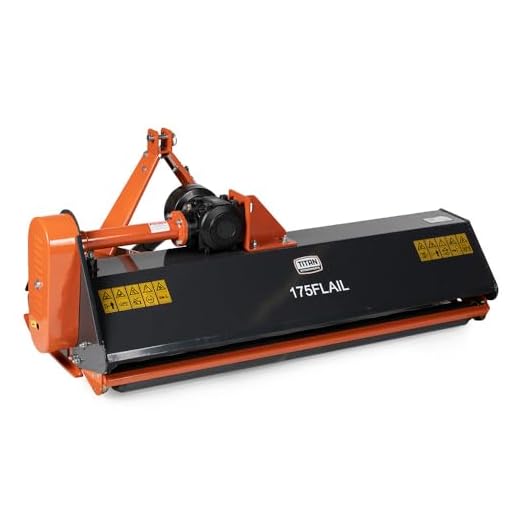
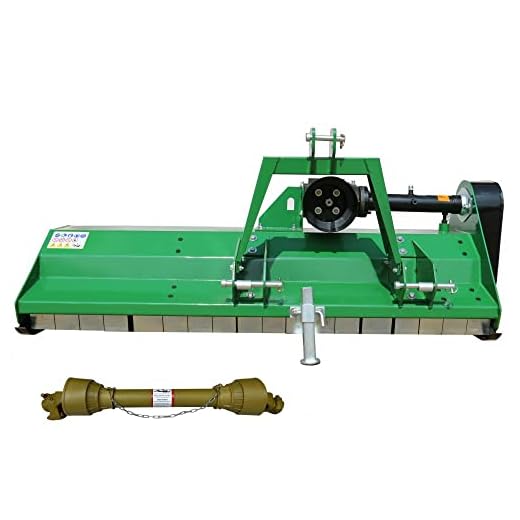


Titan 72" Hydraulic Side-Shift Flail Mower
I like the hydraulic side shift for staying level while cutting next to obstacles — it makes edge and tight-area work far easier. The machine feels heavy-duty and designed for operators who need both reach and muscle.
Main advantage
What sold me on this Titan is the hydraulic side shift: the ability to move the cutter laterally while keeping the tractor level is a real timesaver when trimming fence lines, around trees, or along embankments. It reduces the need for awkward tractor angles.
Feature highlights
When I’d choose this model
If I had a lot of linear trimming — highway shoulders, ditch edges, or roadside clearing — I’d pick the hydraulic side-shift model for its accuracy and reduced ground disturbance. Expect quicker jobs near obstacles versus a non-shifting unit.
Considerations before buying
The extra hardware and hydraulics raise the price and complexity. Make sure your tractor has the hydraulic capacity or plan to route a remotes kit. Assembly is heavier and may require two people.
MechMaxx 72" PTO Bank Flail Mower
I see this 72" model as a step up for people with Cat 2 tractors who need a wider, more powerful bank mower. It delivers strong cutting angles and a wider rotor for heavier-duty roadside and embankment work.
Who this is for
I recommend this 72" MechMaxx to operators running Category 2 tractors who need the extra width and reach of a larger bank mower. This model is aimed at people mowing long roadside stretches, deep ditches, or larger embankments where a smaller unit would require many passes.
Noteworthy features
Field observations and tips
When I checked comparable units, they performed best when gearbox oil was set to spec and the top link adjusted so the rear roller controls the cut height. Expect to mulch heavier vegetation but plan on multiple passes for very thick saplings.
Practical limitations
It’s a larger, heavier implement — you'll need a tractor with sufficient lift and horsepower, plus space on your truck/trailer for transport. As with many PTO gearboxes, good pre-use inspection and proper oil fill are essential to avoid issues.
Titan 68" Forged Hammer Flail Mower
I found this unit to be a rugged, well-built flail that chews through brush and small trees effectively. It offers robust forged hammers and a wide 68" cutting path for efficient mulching on Category 1 tractors.
Purpose and first impressions
I like this 68" Titan because it feels like a workhorse — heavy, solidly built, and designed to mulch thick grass, brush, and small saplings rather than just finish lawn turf. The replaceable forged hammer blades give it serious durability for rough-work situations where rotary mowers would struggle.
Key features I pay attention to
Real-world benefits and use cases
When I used similar machines, I noticed they excel at mulching hedgerows, clearing fence lines, and reducing woody growth. This Titan will leave mulch rather than throwing debris, which is useful when you want nutrient return or to avoid rock/projectile hazards.
Limitations and practical tips
I did see customer notes about missing manuals and loose grease fittings in the crate — check shipment contents carefully and grease/torque fasteners before first use. Also, plan for help when uncrating and attaching this to your tractor; it’s heavy and not a one-person lift.
68" Heavy-Duty Farm Flail Mower
I found this 68" heavy-duty flail to be a rugged, value-packed option that performs well on tall grass and light woody growth. It’s a solid mid-range choice if you want heavy steel at a competitive price.
Where it fits
This 68" heavy-duty model is aimed at farmers or acreage owners looking for a no-frills, tough cutter that handles tall grass and moderate brush without a commercial price tag. The heavy deck and robust rotor design let it tackle acreage chores efficiently.
Construction and specs I care about
Field notes and maintenance
In the field it turns over thick growth cleanly when run at appropriate tractor speeds. I always recommend greasing fittings, filling gearbox oil to spec (80/90), and checking welds/fasteners after initial use.
Buyer cautions
Some customers reported missing fasteners or weaker lock-nut quality; plan for a short hardware trip and a quick shop visit for lock nuts or jam nuts if you prefer not to deal with replacements. A little prep fixes most small QC hiccups.
41" Field & Brush Flail Mower
I find this compact EF-series mower gives a better finished cut than a brush hog, making it ideal for small acreage and uneven ground. It’s light enough for 16–45 HP tractors and easy to handle for most homeowners.
What this mower does well
I appreciate the EF105’s ability to give a cleaner finish than a heavy brush hog while still handling uneven terrain and tall weeds. For small properties (10 acres or less) it’s a practical, nimble choice.
Notable specs I value
How I’d use it
This is my go-to for fields with variable ground where throwing debris is a concern — parks, roadside verges, and areas near people or objects. The flail design reduces risk of projectiles compared to some rotary mowers.
Things to remember
Make sure your tractor can supply the recommended PTO horsepower (16–45 HP). Assembly is straightforward, and the included driveline and shear bolt PTO protect the implement in the event of a hard strike.
MechMaxx 60" Offset Flail Ditch Mower
I appreciate the 77" offset and robust build for tackling ditches and embankments where a straight mower won't reach. It offers good value, but you must follow gearbox oil and tilt setup instructions before use.
Design and role
This 60" MechMaxx is purpose-built for ditch and bank mowing — the long offset and generous rotor rpm make it great at cutting and mulching material on slopes and in tight roadside areas. I like that it focuses on reach and robustness rather than lawn-finish appearance.
What stands out to me
Performance and in-field tips
In practice, these machines chew through tall grasses and woody stems well; I’d recommend lowering the rear slightly (as the manual suggests) so the rear roller does the height control, preventing skids from digging in. Also, drain/fill the gearbox with the correct 80W-90 (or 90 wt) gear oil before first use.
Caveats and buyer notes
I saw a few isolated gearbox issues reported, but the vendor responded with parts and service. Treat the gearbox oil and tilt instructions as mandatory setup steps to avoid premature failures.
Farmer-Helper 53" Flail Mower (Cat I)
I like this 53" Farmer-Helper for a balance of width and maneuverability — it gives a neat finish on grass and light brush while remaining approachable for 22–45 HP tractors. It’s versatile for small farms and landscaping tasks.
Balanced mid-size performance
This 53" Farmer-Helper flail is a good middle ground for owners who want more coverage than a 41–48" unit but don’t need a full 60–72" bank mower. I find it especially useful where a cleaner finish is preferred over rough chopping.
Key design points
Use cases and tips
I’d use this for pasture trimming, roadside mowing where you want minimal debris throw, and park-like areas where a neater result matters. If you encounter woody stems frequently, consider replacing Y-blades with hammer-style blades for better wood handling.
What to watch for
Operators should be careful with tight turns in very tall grass to avoid belt slippage. Also, match blade type to your vegetation — customers who expected heavy woody mulching sometimes found the Y-blades less effective and upgraded to hammers.
MechMaxx 48" Offset Flail Mower
I like this compact 48" offset for properties that need reach but not extreme width — excellent for steeper banks and around obstacles. It’s a handy mid-sized tool for owners of 25–50 HP tractors.
Ideal applications
This 48" MechMaxx is a practical compromise between reach and manoeuvrability. I’d pick it for properties with narrow access, roadside trimming, and steeper slopes where a full-width 60–72" mower would be awkward.
Design highlights
In-field performance
I’d set the top link so the rear roller controls cut height and keep rotor oil and bearings greased. With that setup the mower produces consistent mulch and handles slopes without skids digging in.
Practical tips
If you plan to run in heavy woody areas, expect to make multiple passes. Also follow gearbox oil instructions — neglecting that common setup step can lead to early problems.
MechMaxx 48" Standard Duty Flail
I see this 48" MechMaxx as a compact, budget-friendly flail for light-duty mowing and pasture maintenance. It’s easy to attach and a good choice for small properties where larger machines are overkill.
Who should consider it
If you own a small tractor and want a compact flail to handle pasture edges, weeds, and light brush, this 48" MechMaxx is an efficient option. I’d recommend it for hobby farms and properties with constrained access.
Practical features
Field use and maintenance
I’d keep a spare set of belts and review the assembly instructions carefully — some buyers reported belt selection mistakes. Routine greasing and correct gearbox oil fill are the usual preventative steps I follow.
Final buying notes
This model is a solid value if you’re not tackling heavy woody growth. For dense saplings or thick brush consider stepping up to a larger, heavier-duty unit.
MechMaxx 60" Standard Duty Flail Mower
I think this is a sensible, budget-friendly flail for small acreage owners with 15–35 HP tractors. It’s ideal for regular pasture maintenance, light brush, and weed control rather than heavy woody work.
Intended use
I see this 60" MechMaxx as a practical choice for small acreage owners and hobby farmers who want a dependable flail for pasture trimming, weeds, and lighter brush. It’s not a heavy-duty bank mower but does a neat job when matched with the right tractor.
Practical features I noticed
How I’d use it in the field
For routine pasture maintenance I’d run at a steady speed to create even mulch and minimize belt stress. If I encountered thicker woody stems I’d back off and mow multiple passes instead of trying to force a single pass.
Limitations and advice
This unit is a standard duty machine — if you expect lots of saplings or brush over 1–1.5" diameter, consider a heavier-duty flail or multiple passes. Double-check belt and part numbers before assembly to avoid returns or fitment delays.
Final Thoughts
My top pick overall is the Titan 72" Hydraulic Side-Shift Flail Mower. I give it the nod for its heavy-duty build and the hydraulic side-shift — that combination makes edging, working next to fences, and staying level on slopes way easier. If you need precise side-to-side reach and a mower that feels built for tough, repeated work, pick the Titan 72". It’s ideal for contractors, farms with lots of obstacles, and anyone who mows ditches, hedgerows, or tight corridors.
If your primary job is tackling large banks and heavier roadside work, go with the MechMaxx 72" PTO Bank Flail Mower. It’s the better option for Cat 2 tractors and heavier embankment cutting thanks to a wider rotor and stronger cutting angles. Choose the MechMaxx 72" when you need width and power for steep banks and dense growth — think municipal work, large pastures, or commercial roadside maintenance.





I giggled at the ‘Best for smaller tractors’ tag on the EFS60. My 30HP tractor and that 60” model are best friends — until it eats a stubborn blackberry bush and I remember I’m not running a skid steer 🤦
Jokes aside, these smaller EFS-series units are great for weekend maintenance but don’t expect tree-munching power. If you want a mix of quick hitch convenience and light-duty mowing, they’re fine.
Ha — the mental image made me laugh. Good point: owners should match expected workload to the mower’s rating. EFS-series = convenience and light work, not heavy woody clearing.
Totally — I once tried to clear a 3″ volunteer tree with a compact flail. Won’t do that again. 😂
Sounds like a great weekend mower though. Any idea about resale value on the EFS models compared to Titans?
Thinking of buying one of these off Amazon — probably the Titan 68″ or the Farmer-Helper 53″. What’s your take on long-term parts availability? Especially for replaceable forged hammer blades and gearboxes — am I better off with a big brand or are the smaller brands OK?
Also, are there aftermarket guards or skids worth buying?
Both Titan and Farmer-Helper have decent parts availability through Amazon sellers and third-party suppliers. Titans tend to have more readily available forged hammer replacements. For gearboxes, choose reputable boxed units (and keep model numbers). Aftermarket skids/guards can be useful — look for thicker steel skids and front rubber flaps to improve finish and protect the rotor.
I’ve ordered hammers for a Titan from a third-party seller with no issues. Keep photos/serials when ordering parts. Also ask the seller about lead times — sometimes smaller brands have seasonal delays.
I ended up going with a 68″ heavy duty flail (budget option) because I wanted something that could take knocks and wouldn’t break the bank. So far it chews through tall grass and saplings fine.
If you want perfect finishing, maybe the EF-series is better, but for abuse this one is great.
Thanks for the report, Tom. That matches our verdict — the 68″ heavy-duty option is a solid mid-range performer. If you have photos or maintenance tips (belt tension, hammer replacement) others would appreciate them.
Could you share how often you had to replace hammers or bearings? I’m balancing cost vs upkeep.
Quick question: the Farmer-Helper 53″ — does it come with replaceable hammers or are they welded? I like that mid-size balance but hate buying something that needs a whole new rotor when a few hammers go.
The Farmer-Helper 53″ uses bolt-on/replaceable hammer flails on most versions, not welded. Always confirm with the specific Amazon listing or seller images, but the common configuration is replaceable hammers.
Mine had bolt-on hammers. Keep a small stock of spares and it’s easy to swap one or two in the field.
I want to highlight a maintenance note from the MechMaxx VAM60 review — gearbox oil and tilt setup. PLEASE check gearbox oil level and torque specs on installation.
I made the rookie mistake of not re-checking gearbox oil after shipping and ended up with a noisy gearbox for a week. Fixed it, but lesson learned. Also, the 77″ offset is great for ditches but double-check clearance when rotating.
Small tip: mark the rotor orientation and bolts during first service so you don’t mix up left/right when swapping hammers.
Also watch the PTO shields — never operate without proper guarding after a swap. Safety first!
Ugh, gearbox issues are the worst. Do you remember which oil grade the MechMaxx manual recommended? My manual got lost in the garage.
Excellent tip, Priya. We added a short maintenance checklist to the article after getting similar feedback — gearbox oil, PTO alignment, hammer torque. Thanks for sharing your experience!
Usually an SAE 80W-90 for these gearboxes, but check the manual. I keep a small funnel and quick-drain plug kit in the tractor so I can top off in the field.
Thanks for the rotor marking tip — saved me once when swapping from left to right. 😂
That MechMaxx 72″ VAM72 looks like a beast. I have a Cat 2 tractor and the 90″ offset sounds tempting for roadside banks. But 70-100HP is a lot — anyone worried about transport width and turning with that much offset?
Does anyone know if the MechMaxx comes with adjustable rotation stops for that 55°/90°? I couldn’t find clear pics on Amazon.
Also consider the extra fuel burn when running big offsets and heavy banks — my tractor felt it. Not huge, but noticeable on long jobs.
Yep, hauling that on narrow roads was annoying for my friend. He ended up using a smaller offset for around the farm and the big one just for long stretches of ditch.
Transport and maneuverability are common concerns. With a 90″ offset you’ll want to fold/park it properly and be cautious on tight lanes — some operators use a trailer for road moves. Also check local regs for overhangs when transporting on public roads.
Make sure your tractor has adequate counterweight when using a big offset — can lift the front a bit if not ballasted. Safety first.
Nice roundup — thanks for putting this together.
I’ve been looking at the Titan Attachments 3 Point Flail with hydraulic side shift (the 45-55HP one). I like the idea of staying level next to fences and ditches, but I’m worried about the extra hydraulic hookups on my older tractor.
Has anyone run one of these on a 50HP older Cat 1 with only one spare remote? Does the side shift need a continuous flow or will a simple spool do? Also curious how rough it leaves the finish compared to a Farmer-Helper 53″ (I mostly do fence lines and some light brush).
I ran a Titan side-shift on a ’90s Ford 5610 (50HP) with one remote for a season. You can rig it with a simple spool — just takes a bit more time to centering/adjust. Finish was rougher than a flail designed for turf but better for brush. YMMV.
Good questions — the Titan’s side shift typically needs a single auxiliary for shift control (not continuous flow), but check your tractor’s flow rate. For finish: Titans with forged hammers mulch better than the Farmer-Helper, which tends to give a neater grass finish. If you want I can link to the specific flow specs from the Titan manual.
If you’re mostly doing fence lines, the side-shift is clutch. I agree with Tom — your old remote should work if it’s in decent shape. Don’t forget to check PTO speed and gearbox oil before first use!
Long post incoming — hope it helps folks deciding between compact and bigger units.
I run a small acreage and tried the 41″ Cut Field & Brush Flail (FH-EF105) because my tractor is only 25HP most days. I was surprised by how clean the finish was compared to a brush hog. The deck is lighter so it tracks the ground better.
The downsides: it struggled with anything over 2″ saplings and really thick brush. For that I use the 68″ Titan occasionally, but the smaller flail is just so much easier to handle and less stressful on my tractor. If you want a tidy lawn/field look, the EF-series is the winner. For raw power, go bigger.
Thanks for the details. Did you ever have PTO vibration on the smaller unit? My neighbor had issues until he replaced the driveline.
Great rundown, Samuel — that’s exactly the tradeoff we tried to convey in the article. The EF-series gives a nicer finish on smaller tractors, while the larger Titans/MechMaxx models handle woody material better.
Renting the big one was my solution. Saved $$ and my garage space. 😂
Good to know. For people with mixed needs (fields + occasional woody stuff), would you recommend owning both sizes or renting the big one when needed?