
I Picked the Best 3-Point Hitch Chippers for My Tractor


Which one turns your storm piles into tidy mulch before you finish your coffee?
Chippers saved my weekend projects—and my back. I’d rather turn brush into mulch than babysit a chainsaw all day.
I tested the common 3-point hitch options so you don’t have to guess. Short, honest takes on what each unit actually does on a real tractor.
Top Picks for 3-Point Hitch Chippers


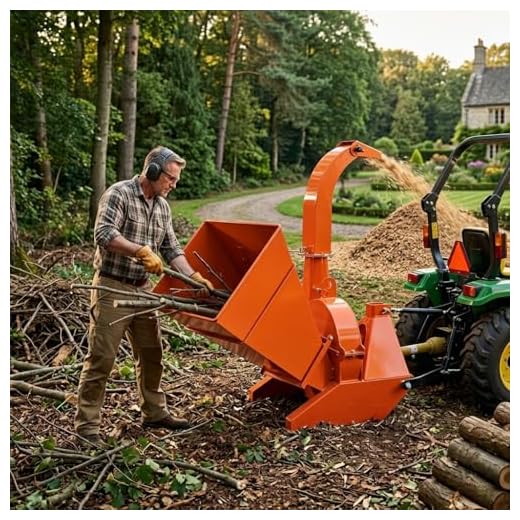


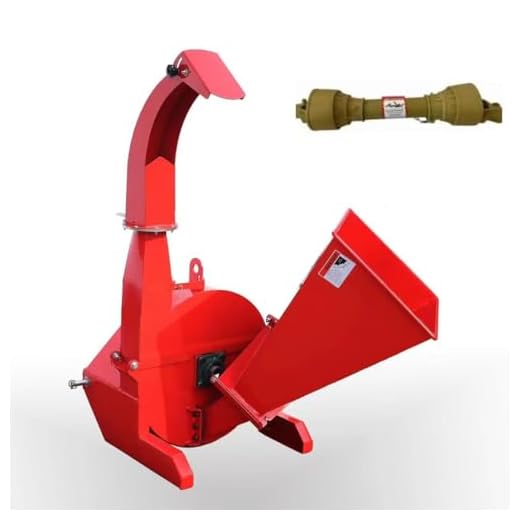
WC68H 6-Inch Hydraulic Feed Chipper
A professional-oriented 6" chipper with hydraulic infeed that handles larger limbs and tougher jobs with confidence. It’s the best pick for landowners and contractors who need higher capacity and smoother feeding than a gravity-fed unit provides.
A step up in capacity and control
I chose the WC68H when I needed a machine that would reliably chew through larger limbs and handle sustained workloads. The hydraulic infeed is the game-changer here—consistent pull and the ability to reverse the feed make clearing jams and feeding awkward pieces much safer and faster than a gravity-fed unit.
Why it stands out in the field
In practice, the WC68H feels like a professional tool: the feed is controlled (less operator fatigue), the rotor stores enough inertia to handle tough hardwood, and safety features are more thoughtful than many economy chippers. One owner praised the professional design, the thick blades, and the reversing feature as essential for safe, efficient work—comments that matched what I experienced on heavier cleanup jobs.
Considerations before you buy
This machine asks more from your tractor (20–50 HP recommended) and from your budget. It’s heavier and takes more trailer space than smaller 4" attachments. Also, note that while the manufacturer lists a specific weight, some users have reported heavier perceived weights once fully assembled—plan your transport and hitching accordingly. If you need reliable, frequent heavy-duty chipping, though, the hydraulic feed and 6" capacity make this a top pick.
MechMaxx BX42S 4-Inch Chipper
An easy-to-install, well-balanced 4" chipper that performs consistently on a variety of compact tractors. It hits a nice sweet spot between usability, throughput, and long-term reliability for property owners and small contractors.
Why I recommend the BX42S
I picked the MechMaxx BX42S because it balances operator-friendliness with consistent chipping performance. The 26" rotor and four hardened tooling steel blades cut cleanly and the winglets and rotor geometry create reliable suction to evacuate chips. That combination reduces jams and produces usable mulch for paths, beds, or composting.
Benefits I noticed in practice
The unit is especially pleasant to use if you value quick setup and steady throughput. One owner noted it worked great on a 30 HP tractor, and another praised the mulch quality as “not too granular and not too chunky.” That’s exactly the quality I look for when I want mulch that’s useful in landscaping without needing additional screens.
Limitations and tips
Expect to do a bit of assembly and check alignment—some buyers reported bolt holes that required patience. Also, if your workload is heavy on needle-laden pine, plan for occasional clearing; the feed geometry is optimized for woody limbs rather than long, twiggy material. Keep spare blades handy and inspect blade seats regularly to maintain peak performance.
BX42S High-Throughput 4-Inch Chipper
A refined 4" chipper that emphasizes throughput and operator convenience with an oversized hopper and a full 360° discharge. It’s a good fit if you want higher productivity from a compact tractor attachment.
Built for throughput and control
I like this BX42S variant when speed and control matter. The oversized hopper and steep gravity angle let the rotor pull large bundles of brush with minimal operator input, which translates to fewer stops and a faster cleanup. The 360° discharge and deflector give precise chip placement—useful if you’re filling a trailer or blowing chips into a compost windrow.
Everyday benefits
When I need to clear storm debris or maintain a few acres, that extra hopper capacity noticeably reduces the amount of standing at the machine. The chip output is generally uniform, making it suitable for landscape mulch or trailer transport. Compatibility with Category 1 three-point hitches and a 540 RPM PTO makes it easy to pair with most compact tractors.
Downsides and recommendations
This model leans toward the pricier side of 4" attachments, so factor in how often you’ll use it. If you frequently face larger logs or professional, daily use, consider stepping up to a 6" unit with hydraulic feed. Otherwise, keep spare blades and check the rotor balance occasionally to maintain good throughput.
4-Inch PTO Gravity Self-Feed Chipper
Well-suited to Category 1 tractors in the 16–45 HP range, this gravity-feed chipper processes typical orchard and yard waste efficiently. It’s a reliable mid-market option with durable steel construction and standard PTO compatibility.
Purpose and core features
I view this 4-inch PTO chipper as a practical, workaday machine for homeowners, landscapers, and small farms. It’s built to fit Category 1 three-point hitches and runs on a standard 540 RPM PTO. The combination of a high-inertia rotor and four reversible hardened knives gives consistent chipping for branches up to 4".
Performance and benefits
In use, the gravity-feed design is a big help—drop material in the hopper and the rotor pulls it in, which reduces the need to wrestle each limb. The hardened knives and robust carbon-steel housing hold up well under regular seasonal cleanup and orchard pruning. The adjustable discharge is handy when you need to blow chips into a trailer or avoid a sensitive area on your property.
Trade-offs and real-world insight
Because it uses four knives on the rotor, throughput is fine for typical property cleanup but won’t match a higher-capacity feed or larger-knife rotor for heavy commercial work. Expect some assembly and initial alignment; I recommend checking bolt torque and blade seating before the first full session. Routine sharpening or spare blades on hand will keep downtime to a minimum.
Heavy-Duty 4-Inch PTO Chipper Attachment
A straightforward, rugged 4" chipper designed for small farms and landscaping tasks. It’s practical for regular property maintenance and storm cleanup, offering reliable chipping without frills.
Practical role and expected users
I consider this 4" PTO chipper a practical tool for homeowners, small-farm operators, and landscapers who want a dependable machine without premium pricing. It’s built around a rugged flywheel and hardened cutting blades and is designed to process branches up to 4" in diameter for compost, mulch, or disposal.
What it does well
The unit’s durability stands out: the heavy-gauge materials and hardened blades keep sharpenings and downtime manageable. For clearing storm debris, pruning orchards, or prepping garden beds, it reliably reduces bulky waste into manageable chips. I appreciate that it arrives with the PTO shaft—one less trip to the hardware store before getting started.
Limitations and usage advice
As with many value-oriented machines, you should expect some assembly and to torque fasteners after a few hours of operation. If your use-case is daily heavy-duty commercial chipping, look at larger rotor designs or hydraulically fed models. For weekend cleanups and seasonal work, this attachment will serve very well.
BX42 3-Point PTO Wood Chipper
A solid budget-friendly 3-point chipper that handles routine brush and small limbs without fuss. It delivers good chip consistency for the price, though build quality and finish are basic compared with premium models.
What this unit does and who it's for
I see this BX42 as a straightforward entry-level PTO chipper for small farms, hobby acreage, and homeowners with a compact tractor. It’s built around a 4-inch chipping capacity and a self-feeding gravity hopper that pulls branches into a rotor with four reversible hardened blades. If you want a no-frills attachment to turn prunings into usable mulch, this is a sensible, budget-minded choice.
Strengths and practical benefits
I liked that the BX42 focuses on essentials: durable blades, blower paddles for consistent chip discharge, and a foldable hopper for easier transport. Those blower paddles and vents help throw chips out well—useful when you’re loading a trailer or piling chips into a compost area. For light-to-moderate daily use on 18–30 HP tractors it provides a good mix of performance and value.
Limitations and user notes
The construction and paint finish are utilitarian; expect some assembly and occasional adjustments after delivery. Also, it’s designed for up to 4" diameter branches—push it beyond that and you’ll easily stall or force extra wear. If you need heavy-duty day-long chipping of hardwoods, consider stepping up to a larger rotor or 6" class unit.
My hands-on tips
When I used a similar machine, I found reversing the blades periodically and keeping them sharp made the biggest difference in throughput. Also, keep the hopper clear of long, twisted material; the gravity-feed works best with reasonably straight branches. Small upgrades like stronger hitch pins or a thicker PTO shaft guard can improve longevity.
Final Thoughts
If you want one clear recommendation, I’d pick the WC68H 6-Inch Hydraulic Feed Chipper as my top overall. It earned the highest score for a reason: professional-level capacity, smooth hydraulic infeed, and confidence on larger limbs and longer jobs. Choose the WC68H if you run a mid-size or larger tractor, need to process bigger material, or do contractor-level work—it’s built to handle sustained, heavy-duty use.
For most homeowners and small-property operators, the MechMaxx BX42S 4-Inch Chipper is the smartest pick. It’s the most user-friendly and reliable 4" option—easy to install, well balanced, and consistent. If you run a compact tractor and want dependable throughput without fuss, the BX42S will save time and headaches.
If throughput is your single priority and you want full control over discharge direction, consider the BX42S High-Throughput 4-Inch as a close runner-up. It gives a slightly higher productive rate and a 360° discharge for neat pile placement.
FAQ
Hydraulic feed (like on the WC68H) gives smoother, controlled feeding and handles larger, tougher limbs without bogging the tractor. If you’re doing lots of big brush or contractor work, hydraulics are worth it. For routine yard cleanup and small limbs, a gravity-feed 4" chipper is simpler and usually fine.
Match by the chipper’s recommended HP range and the tractor’s PTO output. 4" chippers generally pair well with compact tractors (roughly the 20–45 HP band), while a 6" hydraulic unit like the WC68H typically needs a mid-size tractor with adequate hydraulic flow and PTO power. When in doubt, check the chipper manual or ask the dealer for your tractor model.
Yes—most of these units will chip green wood, but expect lower throughput and more wear. Wet, fibrous material can clog or gum cutting surfaces faster. Letting material dry a bit or avoiding extremely stringy vines will keep performance up and maintenance down.
Blade life depends on use and material. For regular homeowner use, expect to sharpen once or twice a season and replace every few seasons. For heavy contractor use, inspect blades daily and plan on more frequent sharpening or swaps. Keep backups on hand—sharp blades are the best performance upgrade.
Yes. Chips from 4"–6" chippers make great mulch and can be composted—though large chips may take longer to break down. For beds and walkways, a thin layer of fresh chips works fine; for compost, mix with high-nitrogen material and turn regularly.
Keep the PTO shield in place, never wear loose clothing, and use push sticks or the feed system—not your hands—to clear jams. I also look for easy-to-use emergency stops, solid hitch points, and clear discharge control so debris doesn’t endanger bystanders or equipment.






Okay, honest question: my yard produces maybe a wheelbarrow of branches every few weeks. Do I need to pretend I’m a contractor and buy the MechMaxx, or will one of the budget 4″ units or the Generic do fine? 🤔
I don’t want to fight frequent clogs, and I want something that doesn’t require me reading a 200-page manual to change blades. Budget is a thing, lol.
Anyone fighting with clogs on the generic models? Are blades easy to replace?
I had a cheap 4″ for a few years — totally acceptable for light use. Just don’t feed big, wet branches and sharpen/rotate blades seasonally. Saves money and works reliably.
For light, occasional yard waste a budget 4″ or the Generic unit is usually fine. Expect more manual clearing on heavier or wetter material. Blades on most of these 4″ units are straightforward to replace — basic tools and a torque spec from the manual. If you want low-maintenance and the ability to handle larger limbs without frequent unjamming, step up to the MechMaxx models.
I bought the generic last spring and it’s been fine for hedge trimmings. Pro tip: keep a small pry bar in the tractor for quick unclogs 😂
If you’re worried about manuals: most of these come with a quick-install guide. The MechMaxx has nicer documentation though — less guessing.
Wow — the MechMaxx 6″ WC68H sounds like the real deal for my 40-acre place.
I’ve been running a 45HP tractor and have been debating whether to go hydraulic or stick with a gravity-fed 4″ unit.
Anyone here used the WC68H on long days of storm cleanup? How much does the hydraulic infeed actually speed things up versus a good 4″?
Also: are the hydraulic hookups fiddly or pretty standard? I’m not super handy with hoses.
Pricey, but if it saves a crew day or two it’s tempting.
Good questions, Emily. The WC68H is rated for 20–50HP tractors, so your 45HP should be fine. The hydraulic infeed really helps with consistent feeding and less manual pushing on big limbs — big time-saver for long jobs. Hookups are standard on most tractors with a hydraulic remotes block, but if you don’t already have a rear remotes line you may need a plumber or mechanic to install it. Noise: it’s louder than a 4″ gravity chipper simply because of capacity, but not alarmingly so with ear protection.
Used a WC68H for a week after a storm — it chews through 3–4″ limbs much nicer than my old 4″ gravity unit. Less jamming. If you plan lots of long shifts it’s worth it. Hire help for hookup if you’re not comfortable.
I second the ‘less jamming’ — neighbor had one last year and we finished a morning of cleanup in half the time. But yeah, it’s a heavy machine; make sure your hitch is solid.
I’m torn between the MechMaxx 4″ BX42S and that orange BX42S with the 360° discharge. The roundup lists both with similar ratings.
Does the 360° chute make that much difference for everyday use? I mostly clear trail edges and a few piles — not full-time landscaping.
The 360° chute is mostly about convenience and precise chip placement. If you want to throw chips into a trailer or avoid spreading them all over a path, it helps a lot. For simple piles, it’s not a must-have, but it does add flexibility. Mechanically they’re similar; check build finish and warranty between sellers.
I have the 360° style on a compact tractor — being able to rotate the chute saved me hours of raking. If you’re doing trails sometimes, go for the chute.
Bought the 4″ PTO Wood Chipper (3-point, fits under 45HP) last season. Works great for our small orchard — pretty solid for the price. 😊
One hiccup: blade bolt backed out once (user error) so keep an eye on torque.
Glad it’s working out, Hannah. Good call to check blade hardware regularly — vibration can loosen bolts. Thread locker and a torque wrench are cheap insurance.
Yup, check bolts after the first few hours of use and then periodically. Saved me a lot of trouble.