
I Picked 10 Best Skid Steer Concrete Mixer Attachments


Less wheelbarrows, more coffee — which skid steer mixer saves your back and your day?
Concrete doesn’t mix itself.
I’ve stood on jobs where wheelbarrows outnumbered common sense. A good mixer attachment turns that chaos into one predictable pour.
I picked 10 top skid steer mixer attachments to cut through the noise. Expect options for precise placement, heavy abrasion resistance, and electric-assist convenience — all in simple, practical packages.
Top Picks


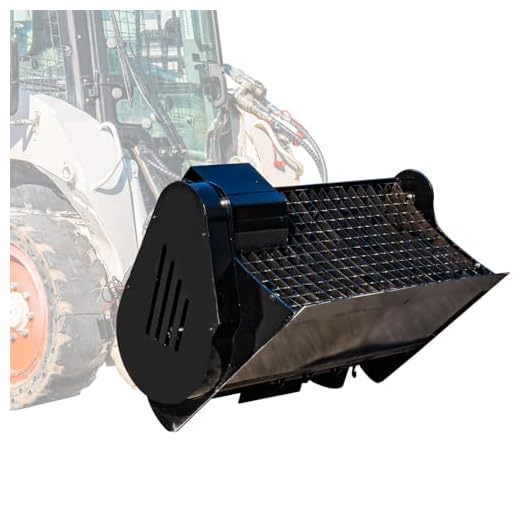


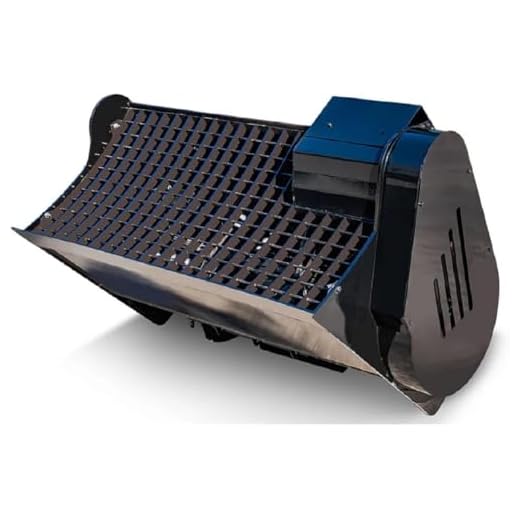

80-Gallon Double Discharge Mixer Attachment
I consider this the most versatile double-discharge option thanks to its robust build and flexible discharge methods. The combination of side chute and hydraulic center chute covers the vast majority of placement needs I’ve encountered on job sites.
Versatility and on-site performance
I found this 80-gallon double-discharge mixer to be exceptionally adaptable. The manual side chute and hydraulic center chute let you pour in confined areas or reach further with the hose — a real time-saver on complex placements.
Technical highlights
On the job, it lets you scoop, mix, and place without frequent equipment swaps. I especially liked its ability to act as a sandbag filler during emergency or landscaping tasks — that multipurpose capability increases its daily utility.
Recommendations and trade-offs
This is my pick when you need one attachment to handle a variety of pouring tasks. Be sure to pair it with a loader that can comfortably manage the weight and plan a maintenance schedule for the drive chain and chute linkages.
Self-Loading Mixer with Hardox Blades
I value the Hardox blades and bottom for jobs that grind through abrasive aggregates — they noticeably extend life under punishing conditions. The hydraulic bottom opening and detachable unloading pipe give excellent control and durability, which justifies the premium price for heavy users.
Overview: built for tough conditions
I consider this model a top choice when you need longevity and toughness. The Hardox wear components are a real differentiator for frequent use with sharp aggregates or recycled materials.
Standout features
The benefits show up over months of use: less plate and blade replacement, fewer repairs, and better uptime. For contractors who run abrasive mixes daily, the investment pays off in reduced parts consumption.
Practical advice and trade-offs
I recommend this to teams that need the most durable bucket on the market. The higher purchase price and greater weight are trade-offs for lower lifecycle costs when used heavily. For occasional light-duty work, the premium may not justify itself.
350L Mixer with Electric Wire
I value the combination of a 350L capacity with an electric wire option — it gives one fewer compatibility question on the jobsite. The addition of a lid on this variant also helps reduce dust and keeps moisture out between batches.
Overview and suitability
I find this 350L unit ideal for contractors who want large, consistent batches plus a little extra protection from the elements. The lid is a subtle but practical addition when you’re storing mixed materials or batching on windy days.
Features that matter day-to-day
These features reduce contamination, improve consistency, and make the attachment more versatile across job types. The lid is especially useful when preparing batches ahead of a short break.
Limitations and field tips
Because of the weight and footprint, I recommend using this on jobs where frequent transporting isn’t required. Routine checks of hydraulic fittings and wire connections keep downtime to a minimum. For small landscape tasks, a smaller bucket could be more economical and easier to maneuver.
350L Heavy-Duty Hydraulic Mixer Bucket
I appreciate the large 350L capacity and the controlled hydraulic discharge — it makes batching and pouring consistent and efficient. The rugged alloy-steel build feels reliable for heavy daily use, though it does require a capable skid steer to move comfortably.
Purpose and first impressions
I found this 350L hydraulic mixing bucket to be built with jobsite productivity in mind. It’s designed to let operators scoop, mix, and pour in one continuous workflow, which cuts down on labor and waiting for ready-mix trucks.
Key features and what I like
Those features translate to fewer trips back and forth and more consistent batches. In practice I noticed the hydraulic outlet gives much finer control when placing concrete into forms or tight spaces.
Practical benefits, limitations, and tips
I’d recommend this bucket when you have regular daily pours or projects that need consistent batches. The weight and size mean you should pair it with a skid steer rated for the load and plan for routine greasing and inspection. For smaller landscaping jobs, a lighter-capacity attachment might be easier to manage.
Example: I used a similar setup to pour a small slab and the hydraulic outlet saved time placing concrete around rebar without needing extra hand finishing. If you’re running sustained heavy work, the robust build is worth the investment.
Bobcat-Compatible Self-Loading Mixer Bucket
I like this Bobcat-compatible self-loading bucket for contractors who want an easy, integrated mixing solution with hydraulic opening convenience. It streamlines on-site batching and reduces the need for separate mixing crews.
Who should consider this bucket
I recommend this attachment for small to medium contractors who use Bobcat-style machines and want the convenience of self-loading mixing without a complicated setup. It makes small slab and footing work much faster.
Practical features I value
These features reduce manual labor and cut time spent mixing and shuttling concrete across a site. The bag breaker, in particular, streamlines the process of adding dry mixes.
Limitations and best practices
The bucket’s weight and hydraulic demands mean you should confirm machine compatibility and attach points. A short operator orientation will pay dividends — once operators get comfortable with the hydraulic timing and bag breaker, cycle times improve noticeably.
Durable Steel Self-Loading Mixer Bucket
I appreciate the robust steel construction and built-in features like the bag breaker and hydraulic bottom opening that make real-world use smoother. It feels purpose-built for demanding outdoor work where reliability matters more than lightweight portability.
Summary and intended applications
I see this mixer as a sturdy option for crews that need consistent performance under tough conditions. The emphasis here is on durability and dependable mechanical features rather than lightness or ultra-low cost.
Useful features I noticed
Those elements reduce manual handling and let you move faster between mixes. The durable steel build stands up to repeated impact and abrasive materials.
Practical considerations
If you frequently move between sites, plan for transportation and ensure the host skid steer has adequate lift rating. The upfront cost is higher than entry-level options but often justified by longer service life and lower repair frequency.
92-Gallon Electric Wire Mixer Attachment
I like that this model pairs a practical 92-gallon capacity with an electric wire accessory, which simplifies some of the connections on site. It’s a sensible balance of capacity, price, and features for contractors who want capability without premium cost.
Who this is for
I see this 92-gallon mixer as a solid midpoint between compact buckets and full-scale mixing systems. It’s a good choice for contractors who handle regular pours but don’t need the largest capacity available.
Notable features
The included electric lead is handy when coordinating hydraulic and electrical accessories on modern machines. The capacity works for frequent medium pours like sidewalks, footings, and small slabs.
Practical notes and limitations
I’d suggest checking your skid steer’s lift rating before purchase, as the attachment is bulky and heavy. Also, while the electric wire is convenient, confirm compatibility with your machine’s electrical system. For teams that need extensive discharge flexibility or double-chute functionality, a specialized double-discharge mixer may be preferable.
66-Gallon Double Discharge Mixer Attachment
I like the double-discharge design because it gives real placement flexibility — side chute, center chute, or front dump cover most pouring scenarios. The unit is heavy-duty, but that weight comes with added durability and a capability to handle tougher aggregates.
What stands out
I was impressed by the double-discharge flexibility — having both a manual side chute and a hydraulic center chute means you can reach awkward spots without additional equipment. That versatility can save time on complex pours.
Key capabilities
This setup excels when you need to place concrete into forms, fill sandbags, or pour in trenches where a front dump won’t reach. The sandbag filler capability is a practical bonus for some contractors.
Practical considerations
I’d recommend this for crews that regularly face varied placement challenges. The unit’s weight and controls mean operators will need a short familiarization session. If most of your work is simple front-dump pours, a simpler bucket may be easier to maintain.
350L Heavy-Duty Mixer Bucket
I find this 350L model to be a dependable, no-nonsense option for contractors who value consistent mixes at a reasonable price. It doesn’t stand out with exotic features, but it performs the core tasks very well.
Intended use and first impressions
I see this bucket as an answer to everyday mixing needs: dependable, strong, and straightforward. If you want consistent concrete without paying for advanced accessories, this fits that niche.
Core features
Operators will appreciate that it’s easy to understand and maintain. The simplicity also means fewer components that can fail unexpectedly.
When to choose it and when to consider alternatives
Choose this when you want robust performance for routine pours and minimal surprises. If your work requires precise placement hoses, double-chute options, or abrasion-resistant liners, look at higher-end or specialized attachments instead.
280L Universal Quick-Tach Mixer Bucket
I like the 280L capacity and universal quick-tach mount because it fits a wide range of machines and project sizes. It’s a practical choice when you want a balance between capacity and maneuverability on mixed job sites.
Who it fits and why I recommend it
I recommend this 280L bucket for builders who need a versatile mixer that mounts easily to different skid steer models. It hits a sweet spot for medium jobs where 350L would be too big and smaller buckets too inefficient.
Core attributes and on-site behavior
In practice, you’ll find it easier to move around tight jobs while still getting useful batch sizes. For sidewalks, small foundations, and repair work it is often a practical compromise.
Limits and advice
If you regularly pour large slabs or need specialized discharge options, you may want to step up to a 350L or a double-discharge unit. Otherwise, this is a solid choice for teams that value compatibility and manageable size.
Final Thoughts
I recommend the 80-Gallon Double Discharge Mixer Attachment as my top pick. It’s the most versatile double-discharge solution I’ve used. The side chute plus hydraulic center chute covers almost every placement scenario on tight or finished pours. If you need flexible, accurate pouring on small-to-medium jobs or frequently change placement angles, this is the one to reach for first.
For heavy daily use where abrasive aggregates eat equipment alive, pick the Self-Loading Mixer with Hardox Blades. The Hardox wear surfaces, hydraulic bottom opening, and detachable unloading pipe add real longevity and control. I’d choose this for contractors who mix a lot, often with harsh materials, and want a unit that lasts longer between repairs.







I’ve been torn between the LandHonor 66 GAL double-discharge and a smaller single-discharge bucket for weekend landscaping work.
LandHonor’s discharge flexibility sounds amazing for odd-shaped beds but I worry about overkill and added maintenance.
Would love feedback from someone who uses double-discharge mostly for small jobs.
Does it complicate cleaning or clogging?
We use a double-discharge on small jobs and it’s handy — but yes, more nooks to clean. If you can tolerate a bit more cleaning it’s worth the versatility.
I’d add that using slightly wetter mixes helps reduce sticking and makes cleanup easier for any design.
For weekend or occasional landscaping, double-discharge gives flexibility but comes with extra passages to clean. If you’re dealing with fine mixes and occasional use, a single-discharge may be lower maintenance.
Good tip — and a drain/flush routine right after the last pour saves time the next day.
Price vs durability debate: I’m leaning to Hardox/built-steel buckets for long-term ROI. FORGLO and generic options are tempting for the price, but if you pay twice in repairs, that margin disappears.
That’s a sensible approach. If usage is daily and aggressive, invest in durability. For light or occasional use, value models can be cost-effective.
Agreed. I bought cheap once and it cost me more in downtime than I saved on purchase price.
If only these buckets came with a ‘make coffee’ button too. Jokes aside, great list — saved me some research time.
Loved the humor in this article 😂 but seriously — the double-discharge options (Wolfequip and LandHonor) sound like they save a ton of time. If you can pour both ways, you don’t have to keep driving around the slab like a lost GPS.
Also — is the removable screen on the MIVA easy to clean? I hate clogged screens.
Good tip, Maya. And avoid petroleum-based agents if you plan to use the equipment in areas with environmental regulations.
Thanks! The MIVA removable screen is designed to be user-friendly — most crews pull it out and hose it down. Just watch for stubborn concreted-on bits; soak overnight and chisel carefully.
Pro tip: coat the screen lightly with a release agent before first use — helps with cleanup later.
I just use a pressure washer and a scraper. Works fine but takes time after a full day of mix batches.
Great roundup — I was already leaning toward the Wolfequip 80 GAL for its double-discharge. My question: has anyone actually moved one on a smaller Bobcat without feeling it bog down? Concerned about the weight and transport between tight sites.
Also consider the center chute vs side chute — sometimes you can reposition without moving the whole unit, which helps on tight jobs.
Good point, Eleanor. Wolfequip is solid but heavy when full. On a smaller Bobcat you’ll want to check the loader’s lift capacity at the lift height you’ll be working at — many contractors move it empty between sites and only fill on-site to avoid bogging.
I moved one on a T550 a few times empty — no prob. Filled, it felt sluggish. Plan for a helper or a trailer if you’re doing long moves.
Quick technical question: Do these buckets typically need a separate hydraulic flow control or will the skid steer’s standard flow handle the mixing and discharge? Looking at the 350L units specifically.
Most 350L mixing buckets are designed to run on standard auxiliary flow, but some high-torque units perform better with higher flow or a flow divider. Check the product spec for L/min requirements and compare to your machine’s auxiliary flow.
We added a flow compensator on our machine to get smoother mixing at low engine RPMs — worth it if you want consistent batch quality.
I’ve used a Hardox-bottom mixer bucket (similar to the Self Loading with Hardox) for nearly 3 years now.
Pros: it really holds up to crushed rock and recycled concrete — the abrasion resistance is legit.
Cons: maintenance is still a thing — seals and hydraulics need regular checks.
If you’re grinding through abrasive aggregates every day, it’s worth the premium.
Anyone else seeing the same long-term wear patterns?
Agree. We replaced the bottom seal twice in year one on a cheap bucket. The Hardox variant lasted longer before needing big repairs.
What hydraulic oil do you run? I switched to a higher-quality ISO VG and saw less foaming, which helped the hydraulics.
Yes — Hardox will give you longer service life on the shell and blades, but like you noted, the hydraulic components and seals are the typical weak points. Regular lubrication and inspecting hose routing can extend life a lot.
Also watch the mixing time — over-mixing increases wear on internals. Faster, consistent batches reduce stress.
Lena — that’s a great tip. Viscosity and anti-foaming additives can help. Check the manufacturer’s manual for recommended specs first.
I’m curious how the generic 280Lt compares in resale value versus the branded FORGLO or MIVA. Is paying more for brand worth it if you plan to flip it in a couple of years?
Branded units usually hold value better because buyers trust specs and support. If you plan to resell soon, a well-known brand might recoup more of your cost.
Also consider local demand — around here no one pays premiums for brand; they want working condition.
Longer story: I manage a small concrete crew and we cycled through 3 different buckets over two seasons. The big lessons:
1) Don’t buy the cheapest if you use it daily.
2) Double-discharge saved us time on big pours (we used Wolfequip for service ramps).
3) For patch work and landscaping the 92GAL FORGLO is perfect — lighter and faster.
4) Keep an eye on the hydraulics — hoses and couplers are the first to fail.
If anyone wants real-world photos I can post a few later 🙂
David, any tips on storing these in winter? We’re in a freeze-thaw zone and corrosion is a nightmare.
Michael — store upside down to let water drain, cover with breathable tarp, and apply a light coat of anti-corrosion spray to exposed metal.
Thanks for the breakdown, David — very practical. Photos would be great for readers looking for setup ideas.
Good storage tips. Also, drain residual concrete and clean screens before long storage to avoid hardening inside.
Would love to see a photo of the Wolfequip in use on a ramp pour — always wondered how you manage overspill.
Anyone had trouble with the electric wire on the MIVA 350L? I’m a bit nervous about electrical connections on a construction site — rain, dust, etc.
Good concern. The electric assist is convenient but you need proper protection: waterproof connectors, sealed junctions, and a dedicated breaker. If you work in wet conditions a hydraulic-only model can be more robust.
Hi — can someone who owns the MIVA 48″ heavy-duty hydraulic mixing bucket explain how the removable screen attaches? I’m picturing bolts vs quick-latch and worried about losing hardware on the site.
Most MIVA screens use bolt-on clamps with captive nuts to avoid hardware loss. Some models have quick-release pins — check the specific SKU photos and manual for the exact system.
Thanks — that helps. I’ll ask the supplier to confirm which type before ordering.
Mine uses captive bolts — less annoying than loose bolts but still a pain to unthread with concrete traces. Keep a small bag of spares in your toolbox.
Anyone tried the FORGLO 350L on a Bobcat T590? I’m trying to figure out clearance and quick-tach compatibility before ordering. Also curious about whether the drum capacity is actually usable with heavy aggregate mixes.
I run it on a T590. Mounting was straightforward but we keep batches around 80% of rated volume when using heavy mixes.
Measure tree-line and machine tilt — on uneven ground the center of gravity shifts quick. Good to practice a few dry runs.
The FORGLO 350L will mount on most Bobcat quick-tach systems but double-check plate type (universal vs Bobcat-specific). Usable capacity drops with heavy aggregates — you’ll want to reduce batch size to stay within lift limits.
Nice list. FORGLO 92 GAL seems like a good budget pick. Bought one last year and it’s been fine for landscaping jobs — nothing fancy but does the job.
Short and sweet: the generic 280Lt was a surprisingly good fit for small residential driveways. Lighter, easier to maneuver than the 350L monsters.
The US stock note is helpful. Anyone had issues with longer lead times despite the listing saying US stock? I’m on a tight schedule and can’t wait weeks.
Some sellers mark items as US stock but fulfillment can vary. If timing is critical, contact the seller directly or buy from a dealer with confirmed pickup/fast shipping.