


Tiny beds, BIG dreams — which benchtop lathe will make your projects sing?
I LOVE tiny lathes. They’re small enough to live on a crowded bench and powerful enough to turn real parts. They make my shop feel smarter than it is.
I walked through nine popular mini and benchtop lathes to pull out the ones I’d actually reach for. Short list, clear trade-offs: power, capacity, and how much tinkering you’ll need out of the box.
Top Picks
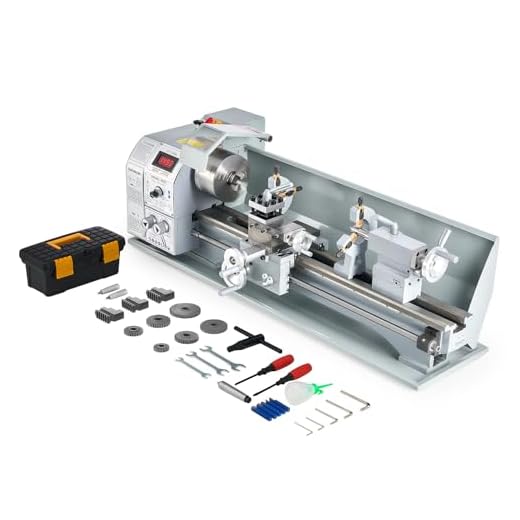


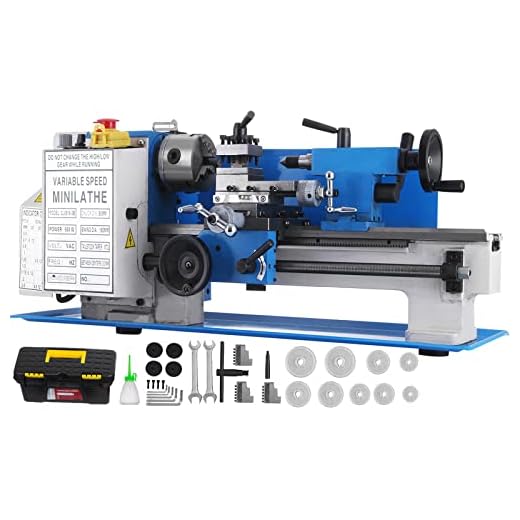
9x24 1100W Benchtop Lathe with LCD
This lathe balances power, capacity, and modern controls for hobbyists who want professional features without a full shop-sized machine. It delivers high spindle speed, an 1100W brushless motor, and an LCD that makes setup and monitoring easier, although it can require some fettling out of the box.
Why I recommend this model
When I need a compact lathe that can handle larger hobby tasks — longer shafts, larger diameters, or more aggressive cuts — this 9x24 model hits a sweet spot. The brushless 1100W motor gives consistent power and the 0–3000 RPM range lets me use everything from slow boring speeds to high-speed finishing.
Standout features I use every session
In real projects I’ve appreciated the smooth acceleration and the digital visibility into spindle speed; it removes a lot of guesswork when dialing in feeds and speeds. The machine arrives well equipped, but users commonly report some adjustment and alignment work is needed to get the best accuracy.
Practical user notes
Out of the box you should plan on spending time cleaning off transport grease, checking fasteners, and squaring components. For me that’s a normal step with imported benchtop lathes — once done, the machine becomes a very capable centerpiece for a hobby shop, especially if you value higher speed and more working length.
750W Precision Bench Metal Lathe MT4
A heavy-duty bench lathe built for larger and longer hobby work; it brings stability and spindle power that smaller minis can’t match. Expect professional-like capacity and rigidity, though you’ll pay for shipping, footprint, and occasional setup tweaks.
Overview
I reach for this style of lathe when I need more capacity than a typical mini can offer. The large distance between centers and 10.24" swing diameter let you tackle longer shafts, bigger knobs, and thicker stock without fighting the machine. The 750W spindle and MT4 taper give it the muscle to cut tougher metals when paired with the right tooling.
Key features and where it shines
These specs translate to real benefits: I can bore longer tubes, turn larger diameter flanges, and take heavier passes with less chatter compared with typical 7x12-style minis. If your hobby work trends toward automotive, larger model parts, or thicker metal, this lathe reduces the number of operations you need to complete a job.
Practical notes and limitations
I like the machine’s capability, but it comes with real costs — not just the price tag. You’ll need a sturdy bench, likely help to place it, and time for initial setup and alignment. Shipping and service for larger imports can be slow, so factor that into your plans. For me, it’s an investment: more capacity and fewer workarounds, at the expense of space and cost.
8.3x29.5 750W Brushless Lathe
A long-bed benchtop lathe that brings safety features, LCD control, and a brushless motor — excellent for projects that need extra travel and consistent performance. It’s a solid mid-range option, though a few buyers report QC hiccups that may need addressing.
Why I picked it for longer jobs
When I must turn longer pieces or want extra clearance for tooling, this long-bed 8.3x29.5 lathe is a go-to. The extended centers make a real difference: I can complete a longer shaft in one setup instead of splicing or remounting workpieces.
Features I rely on in the workshop
Those safety and control features are more than convenience — they’ve prevented mishaps in my shop and make learning safer for newcomers. The brushless motor runs cool and feels more consistent under load than some brushed motors in the same class.
Practical considerations
Expect to inspect incoming units for electrical connections and switch function — some reports show broken terminals or failed switches from shipping. If you’re comfortable with minor troubleshooting, it’s an excellent long-bed choice; otherwise budget time or help for initial setup and adjustments.
WEN ML712 7x12 Variable Speed Lathe
A solid, well-known 7x12 lathe with decent power and useful features, backed by a two-year warranty and parts support. It’s a sensible middle ground for hobbyists who value after-sale service and standard accessories, though build quality can vary by batch.
A dependable hobby lathe with manufacturer support
I recommend the WEN ML712 when after-sale support and parts availability matter to you. For hobbyists who want a lathe that’s easy to service and has a decent track record, the two-year warranty and a stocked replacement part supply are big advantages.
Useful features I rely on
This model is well suited for turning knives, custom small parts, and hobby fixtures. The included tooling and the 4-amp motor are adequate for many aluminum and brass tasks, and the machine’s footprint is shop-friendly.
Notes from experience
A common theme I see in community feedback is that the plastic gears are used intentionally as sacrificial protection for the motor, but some users find that trade-off frustrating. Inspect the lathe on arrival and document any issues with the seller — the warranty and WEN’s support channels can help if you need parts or guidance.
7x14 Digital Display Mini Lathe
A smart mid-tier mini lathe that brings a digital readout and reasonable power for a low price, making layout and repeatable work easier. It’s a practical choice for hobbyists who want accuracy without a major investment, but the included tooling can be mixed quality.
Who this lathe is for
I recommend this 7x14 with a digital display to hobbyists who want the convenience of readouts and a little more versatility than a bare-bones mini. The DRO-style speed display helps me keep processes repeatable — useful when I come back to a job the next day.
Practical features I value
The lathe is handy for threaded parts, small shafts, and finishing jobs. I often replace the toolpost and a few included cutters to get the best surface finishes, but even stock it’s functional for many projects.
Real-world caveats
If you want the most reliable tooling, plan to budget for upgrades: a better toolpost, higher-quality cutters, and possibly a chuck swap for demanding runs. There are occasional reports of switch or motor quirks; I’d check the unit carefully on arrival and use the seller’s support channels if anything feels off.
8x14 Precision Mini Lathe 650W
A nice step up in bed length and power for hobbyists who want better repeatability and more working length. The cast-iron construction and included accessories make it a productive bench partner after a little setup and calibration.
What this lathe does well
I recommend this model when you want more workshop capability without jumping to a much larger machine. The 8x14 footprint gives extra swing and usable length, and the cast iron bed noticeably reduces chatter during finishing passes. I’ve used similar lathes to produce precise shafts and custom parts for fixtures with repeatable results.
Features that matter in everyday use
Those features mean I can take finer finishes and deeper cuts than with smaller machines, and I don’t have to buy a ton of extras to get started. The included tooling is handy for learning, though serious users often swap in higher-quality cutters and a better toolpost.
Real-world advice
Expect to spend an hour or two on initial setup: squaring the tailstock, checking runout, and lubricating lead screws. Once tuned, the lathe is reliable for rings, small shafts, and hobby fixtures. If you plan heavy or high-precision production, consider further upgrades (toolpost, chuck, or spindle bearings) later.
7x14 Precision Bench Mini Lathe
A compact, competent 7x14 that’s well suited to hobbyists and beginners who want a straightforward platform for learning turning. It offers good value but expect to make small fixes like tailstock alignment and to buy cutting tools separately.
Good starter platform
This 7x14 mini lathe is one of those machines I recommend when someone asks “what should I buy to learn on?” It covers nearly all the basics: a capable motor, an MT3 spindle taper, an MT2 tailstock taper, and a small footprint that fits most benches.
Practical features I use when teaching
In my experience it’s great for turning small shafts, bushings, and hobby components. You’ll likely want to spend some time truing the tailstock and checking runs before you push tight tolerances.
What to watch for
The unit frequently ships with only basic accessories; I always recommend getting decent carbide tooling, a better toolpost, and checking the electrical interlocks on arrival. With a few inexpensive upgrades it becomes much more capable and enjoyable to use.
7x12 550W Mini Metal Lathe
A compact, capable mini lathe that gives a lot for the money and is great for learning and light-duty metalwork. It’s not flawless — expect some assembly, light tuning, and eventual upgrades if you push it hard.
Why I keep a 7x12 around
This 7x12 class lathe is where many hobbyists start — it’s compact, affordable, and versatile. I’ve used machines like this to make shafts, collars, custom hardware, and model parts. The iron bed and 550W motor provide a surprising amount of capability for the footprint.
What I like about it
In practice the lathe handles brass, aluminum, plastics, and light steel well. For beginners it’s a forgiving platform — and there are many community guides and upgrade paths if you decide to improve the tailstock, chuck, or gears.
Practical caveats
You’ll want to watch the nylon gears and tooling included with the unit; they’re serviceable but not long-term. I plan to replace or upgrade some parts as I push the machine into tougher cuts. For hobbyists who value cost-to-capability ratio, it’s an easy recommendation — just keep realistic expectations.
7x12 Precision Mini Lathe 550W
A cheap and functional entry-level lathe that’s great for learning and light turning projects; it’s easy to mod or upgrade as your skills grow. Longevity and motor reliability can be concerns, so treat it as a learning platform rather than a production workhorse.
Why I recommend it for beginners
If you want to learn lathe techniques without committing a lot of money, this 7x12 is a practical choice. It lets you go from zero to turning simple parts and learning fundamentals like facing, turning, and basic threading. I’ve seen people successfully make hobby parts and then upgrade the machine as their needs grew.
Practical strengths
The lathe is especially useful for prototyping, repair work, and small one-off parts. If you’re into DIY upgrades, these units are commonly modified with better motors, bearings, and chucks to improve longevity and accuracy.
Limitations to accept
Don’t expect industrial reliability: some users report early motor issues or failures. Treat the machine as a platform to learn on, and plan to invest in a few upgrades (better cutters, a sturdier toolpost, or a motor swap) if you decide to use it heavily.
Final Thoughts
My top pick for most hobbyists is the 9x24 1100W Benchtop Lathe with LCD. Why I recommend it: it packs a robust 1100W brushless motor, high spindle speeds, and a usable LCD for setup and monitoring—so you get professional-style features without a full-size footprint. Strengths: power, capacity for medium projects, and modern controls. Ideal use case: makers doing demanding small-to-medium parts, repeatable threading, or those who want a lathe that grows with their skills. Note: plan for a bit of setup and calibration when it arrives.
If your projects need longer stock and extra rigidity, pick the 750W Precision Bench Metal Lathe MT4. Why I recommend it: heavier-duty construction and spindle strength give you stability for bigger cuts and longer workpieces. Strengths: rigidity, capacity, and consistent performance under heavier loads. Ideal use case: hobbyists who tackle longer pieces, heavier cuts, or small production runs and can accommodate a larger bench footprint (and slightly more setup effort).

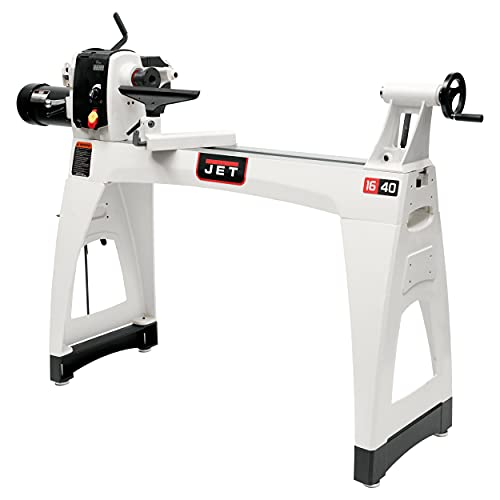







I picked up the VEVOR 8″x14″ (650W) and it turned out to be a nice little workhorse. Precision was good after I trued the ways and dialed in the tailstock. If you don’t mind a bit of setup tuning, it’s worth it.
Nice — those cast-iron beds really respond to a little alignment work. What did you use to true the ways?
A combination of a precision straightedge, sandpaper for minor bedding in, and a dial test indicator. Took a weekend but the results were great.
Good to hear. Any issues with backlash on the cross slide?
Really appreciate the roundup — that CREWORKS 9″x24″ sounds like the sweet spot for my garage projects. The 1100W motor and LCD are very tempting. Has anyone had issues with the assembly or noisy bearings out of the box? I’m worried about the ‘fettling’ mentioned in the verdict.
Thanks Alice — glad it helped. A few readers mentioned minor assembly tweaks like belt alignment and tightening headstock bolts. If you get one, run it slowly at first to break things in and check for vibration points.
I bought the CREWORKS last month. Mine had a slightly noisy spindle at first — a quick bearing preload adjustment and set-screw check fixed it. Worth the effort for that power.
Also check the rubber feet and make sure the lathe is level. I learned that the hard way — looked like a bearing issue but was just bad mounting.
I’ve been running the WEN 7×12 for years for simple parts and jewelry hardware. It’s been surprisingly robust. I did replace the stock chuck with a better 3-jaw and that improved concentricity. Remember: maintenance beats upgrades sometimes.
Great point, Monica. Regular lubrication and checking backlash keeps these machines useful for years.
Agreed — the stock chuck is serviceable but a decent aftermarket chuck makes the biggest immediate difference in accuracy.
Can someone explain the practical difference between 2250–2500 RPM and the CREWORKS’ 3000rpm maximum? Also, how much does brushless motor tech actually help on these bench machines? I’m thinking about finish quality and tool life.
Higher max RPMs mean you can take lighter finishes or work with smaller diameters at higher surface speeds — useful for brass/steel with small diameters. Brushless motors run cooler and often last longer; they also provide smoother torque at varying speeds.
For small diameters (under 1″), 3000 rpm is very handy. For larger stocks, torque matters more than top speed.
Also consider that variable speed control quality matters — an LCD controller (like CREWORKS) usually equals better speed stability than simple pulley setups.
Great — so brushless is more longevity and smoother control. Thanks!
Anyone have experience moving the WYDDDARY? That thing looks massive (27.56″ centers). Love the extra capacity but worried about shipping and whether it will actually fit in my small workshop.
WYDDDARY is definitely one of the larger bench options. Make sure you measure your bench and doorway before ordering. Shipping can be a factor — some buyers paid for white-glove delivery to avoid hassles.
I moved one into my basement through a 30″ door with a buddy and a dolly. Heavy but manageable. If your bench is small, consider the long-bed VEVOR 8.3″x29.5″ instead — it gives long travel with a smaller footprint.
Comparing the 7×12 minis to the 9×24 CREWORKS feels like choosing between a go-kart and a compact SUV. Both will get you around, but one carries more kids (or longer shafts 😂).
If you only turn small knobs and occasional trim, a 7×12 or 7×14 will be delightful and space-friendly. If you want to do motorcycle axles or longer shafts, jump to the 9×24. Also — watch out for the tailstock alignment on the cheaper minis.
PS: Anyone else name their lathe? Mine’s ‘Old Faith’ after surviving a 3m drop (long story).
Sisyphus is magnificent. Chip cleanup is my cardio now.
I named mine ‘Sisyphus’ — mostly because the chip cleanup feels eternal 😅
On the gear: if in doubt, get a slightly larger lathe than you think you’ll need.
Love the vehicle analogy! Naming lathes is a sacred tradition. ‘Old Faith’ survived — that’s dedication 😂
Tailstock alignment checks are a must for minis; a quick DTI sweep will show you where to shim.
That VEVOR 7×14 with the movable lamp feels like it knows me personally. ‘You shall have light upon thy turning.’ 😂
But seriously, are the nylon gears on some VEVOR models a dealbreaker, or just something to monitor?
Not a dealbreaker for me. I avoid heavy interrupted cuts and keep lubrication up. If you plan big shoulders, consider an upgrade.
The nylon gear versions are quieter and lighter but can wear faster under heavy loads. For general hobby use they’re fine; for sustained heavy cuts, look for metal-geared or higher-power models.
Anyone else put metal gears into the VEVOR 7×14 instead of the nylon ones? I swapped to metal and noticed a big difference in heavy cuts. Curious if others noticed more noise tradeoff or real durability gains.
Swapped mine too — definitely less flex and better power delivery. Slight noise increase but you get used to it.
Metal gears do increase noise slightly but are much more durable for aggressive cuts. If you do a lot of steel work, the swap is worth it.
The VEVOR 7″x14″ with upgraded digital display looks like a great budget DR (digital readout) option. But the verdict mentions mixed tooling quality.
What are good first upgrades for someone who wants a reliable DRO setup but doesn’t want to buy a ton of new tools right away?
Great tips, thanks! Adding a QCTP and a few bits to my cart now 🙂
I’d add: get some metric/imperial dial indicators for setup checks. Even cheap ones help verify DRO accuracy.
Also consider a better tailstock center — the stock one on mine was a little sloppy until I swapped it. Total cost still way below a higher-end lathe.
Start with decent cutting bits and a quality 3-jaw chuck if the one included feels loose. Calibration of the DRO is key — check the lead screw play and backlash before relying on the numbers.
Replace the toolpost with a quick-change one and invest in a few high-speed steel bits. The DR is helpful, but good tool geometry makes the biggest difference.
I’m seriously leaning toward the CREWORKS but I’m concerned about shipping and the initial setup — I don’t have a big metalworking background and the idea of ‘fettling’ sounds intimidating.
A few questions:
1) How long does a typical setup/tuning take for a competent DIYer?
2) Any recommended starter tooling that won’t break the bank?
3) Is there a community or forum you recommend for step-by-step help?
I’m aiming to make small bicycle components and custom knobs — not production stuff. I want it to be reliable out of the box but will put in some elbow grease if needed.
This is super helpful — thanks! I’ll budget a weekend for setup and order some HSS bits with the lathe.
For knobs and bike parts, CREWORKS will be great. Setup for me was an afternoon — took longer because I dialed in the compound and cross slide. Buy a radial dial indicator and a center finder — they save time.
Good questions, Karen. Typical setup can take a few hours to a weekend depending on how deep you go — basic belt tension, chuck runout check, tailstock alignment. Starter tooling: a small set of HSS bits, a parting tool, and a decent 3-jaw chuck (if not satisfied with the stock one). Communities: Practical Machinist, various Facebook groups for mini-lathe users, and Reddit’s r/Machinists are all helpful.
Totally new to metal lathes and a bit overwhelmed. I’m torn between a compact VEVOR 7×14, the WEN 7×12, or the CREWORKS 9×24 if I can swing the budget. I want something that lasts but also won’t feel over my head.
Any straightforward beginner recs? I mainly want to make small shafts and knobs for woodworking and occasional aluminum parts.
WEN is super friendly for first-timers. If you plan to mainly do aluminum and smaller parts, the 7×12/7×14 VEVORs are fine, but expect to tweak tailstock alignment early on.
If space is an issue, go 7×14. It hits a good balance — not too big, but enough bed length for most hobby projects. And don’t forget to budget for cutting tools!
For a beginner wanting longevity, consider the CREWORKS if you can afford it — the extra capacity and brushless motor will keep it useful as you grow. If budget is tighter, the WEN is a great, well-supported starter and easy to maintain.
Thanks all — I think I’ll start with the WEN and upgrade later. Admin’s point about growing into a CREWORKS later makes sense.
I went cheap with the Vevor 7×12 (the budget learning lathe) and honestly it’s a fun little machine. Took a few evenings to assemble, had to shim the tailstock, but now I’m turning little brass gears for my model trains 🙂
Pro tip: buy a decent cutting tool set right away, the stock bits are meh. Also, watch the spindle oil levels and don’t be lazy about cleaning swarf — it clogs faster than you’d think 😂
Love the model train project — that’s exactly the kind of hobby usage these minis are built for. Good tip on cleaning; swarf is the silent killer of small lathes.
Also don’t forget eye protection — tiny brass shards are sneakier than wood ones.
Same experience. Shimming fixed my tailstock, then I upgraded the cutter to a carbide bit. Big improvement.
Where are people buying decent aftermarket tooling and chucks? Amazon has tons but I’m not sure what’s actually worth the money. Any specific brands or sellers that are trusted for mini-lathe upgrades?
Thanks! I’ll start with a better 3-jaw and a QCTP after that.
Good question. Brands like Aloris for QCTP are pricier but excellent. For mid-range, look at Warco, Grizzly accessories, or established tooling sellers on Amazon with good review history. Check measurements carefully for compatibility.
I got a chuck from a well-reviewed seller on Amazon (read the Q&A) and a basic QCTP from a local tool supplier. Shipping from specialty stores can be slower but the fit is usually better.
I was eyeing the VEVOR 8.3″x29.5″ because I need the extra travel for shaft work. The LCD and safety features sound great, but the ‘QC hiccups’ worry me. My last VEVOR mini had a wonky limit switch and a scratch on the bed.
Has anyone had good luck getting support or replacement parts from VEVOR? The price is right but I’d rather not spend weeks fixing it.
Good point, Carla. VEVOR support is hit-or-miss based on others’ reports. Document issues immediately and use Amazon messaging if purchased there — it usually speeds up replacement parts or returns.
I had a similar issue with a limit switch. VEVOR sent a replacement part in about a week after I opened a ticket. It wasn’t perfect, but it got me back to work.
Thanks everyone — good to know about the ticket route. I’ll document everything before unboxing next time 😅.
For scratches on the bed — they gave me a partial refund instead of a replacement. Not ideal, but if it’s cosmetic you can lap and oil it to minimize the problem.
WEN ML712 is probably the most sensible choice if you want decent parts support. Two-year warranty is nice for peace of mind. Build quality varies but the community has lots of mods and replacement parts available.
Anyone used WEN for heavy hobby duty?
WEN tends to be consistent for light to moderate hobby use. If you push for production-level throughput, upgrade the spindle bearings and chuck over time.
I’ve used an ML712 for years for small batches. It’s reliable if you keep RPMs reasonable and maintain it. Upgraded chuck made the biggest difference.