

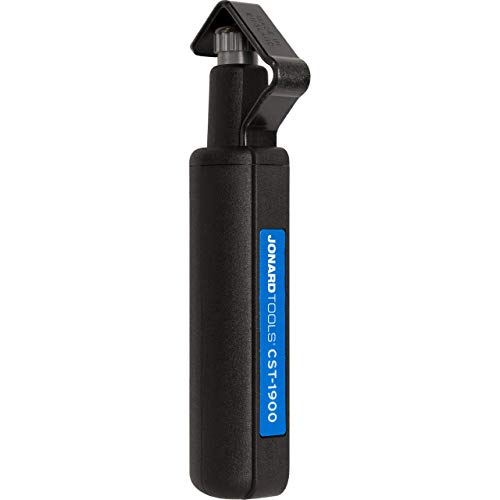
We understand the frustration that comes with dealing with malfunctioning tools, especially when it’s a trusty cable stripper. In our upcoming blog post, “How to properly maintain a cable stripper,” we aim to equip you with the essential knowledge and tips to keep your cable stripper in top-notch condition. Whether you’re a seasoned professional or an enthusiastic DIYer, ensuring the proper maintenance of your cable stripper will not only extend its lifespan but also ensure optimal performance. So, let’s dive in and discover the best practices for keeping your cable stripper in peak working condition!


Understanding Cable Strippers
Cable strippers are an essential tool for anyone working with electrical wiring, telecommunications, or network installations. They allow you to remove the protective outer layer of cables to expose the inner wires, ensuring proper connections and reducing the risk of damage. In this blog post, we will explore the different types of cable strippers available and their specific uses to help you choose the right tool for your needs.
Manual Cable Strippers
- Product Example: Ideal Stripmaster Wire Stripper
- Features:
- Designed for precision stripping of various wire gauges
- Adjustable blade depth for customized stripping
- Comfortable grip for easy handling
- Uses:
- Ideal for stripping coaxial cables, Ethernet cables, and electrical wires
Self-Adjusting Cable Strippers
- Product Example: Klein Tools Kurve Dual Non-Metal Self-Adjusting Wire Stripper/Cutter
- Features:
- Automatically adjusts to strip different wire sizes
- Built-in wire cutter for added versatility
- Compact design for easy storage
- Uses:
- Great for stripping and cutting solid and stranded wires in tight spaces
Automatic Cable Strippers
- Product Example: Greenlee PA1113 ProGrip 10-18 AWG Wire Stripper
- Features:
- Automatically grips and strips wires with a single squeeze
- Ergonomic handle for comfortable use
- Built-in wire cutter and crimping tool
- Uses:
- Ideal for high-volume wire-stripping tasks and repetitive work
Comparison Table
| Cable Stripper Type | Features | Uses |
|---|---|---|
| Manual | Adjustable blade depth, comfortable grip | Stripping various wire gauges |
| Self-Adjusting | Automatically adjusts to different wire sizes, compact design | Stripping and cutting wires in tight spaces |
| Automatic | Grips and strips wires with a single squeeze, built-in cutter and crimping tool | High-volume wire-stripping tasks |
Proper Maintenance Practices for Cable Strippers
Cable strippers are essential tools for electricians and technicians working with wiring and cables. Proper maintenance is crucial to ensure the longevity and efficiency of your cable stripper. By following these detailed steps, you can keep your cable stripper in top condition for years to come.
Cleaning and Inspection
Regular cleaning and inspection are key to maintaining your cable stripper. Here’s how you can do it:
- Cleaning: Use a soft cloth or brush to remove debris and dirt from the blades and handles.
- Inspection: Check the blades for any signs of wear or damage. Replace the blades if necessary to avoid compromising the stripping quality.
Lubrication
Proper lubrication helps prevent rust and prolongs the life of your cable stripper. Follow these steps:
- Apply lubricant: Use a manufacturer-recommended lubricant on the moving parts of the cable stripper.
- Wipe off excess: After applying the lubricant, wipe off any excess to prevent accumulation of dirt and dust.
Storage
Proper storage can prevent unnecessary wear and tear on your cable stripper. Consider the following tips:
- Hang it up: Store your cable stripper in a dry location, hanging it to prevent blades from touching other tools.
- Use protective cover: Consider using a protective cover to shield the blades from damage during storage.
Calibration
Regular calibration ensures that your cable stripper continues to perform accurately. Here’s what you can do:
- Check accuracy: Use a cable of known diameter to verify the stripping accuracy.
- Adjust if needed: If the stripping is not accurate, refer to the manufacturer’s instructions to make necessary adjustments.
Brand Recommendations
When it comes to cable strippers, quality matters. Here are some top brands known for their reliable products:
- Greenlee: Greenlee cable strippers are popular for their durability and precision.
- Klein Tools: Klein Tools offers a range of cable strippers known for their quality construction.
By following these maintenance practices, utilizing quality products like Greenlee or Klein Tools cable strippers, and regularly inspecting and caring for your equipment, you can ensure that your cable stripper remains efficient and reliable for all your wiring and cable stripping needs. Practice these steps consistently to make the most out of your investment in this essential tool.
Common Issues and Troubleshooting with Cable Strippers
Cable strippers are essential tools for electricians and DIY enthusiasts to remove the insulation from wires efficiently. However, like any tool, they can encounter common issues that may hinder their performance. Here, we will discuss the typical problems that may arise with cable strippers and provide effective troubleshooting tips to resolve them.
Issue 1: Dull Cutting Blades
Symptoms: Difficulties in cutting through the insulation, leaving behind frayed edges.
Troubleshooting:
- Solution: Sharpen or replace the cutting blades.
- Example: If you are using the Crescent Wiss Electrician’s Scissors, ensure the blades are sharp to make clean cuts effortlessly.
Issue 2: Slippery Grip
Symptoms: Difficulty in holding the cable stripper securely while stripping wires.
Troubleshooting:
- Solution: Clean the handle or use a grip-enhancing material.
- Example: Try using the Klein Tools Katapult Wire Stripper with a non-slip handle for improved grip.
Issue 3: Inaccurate Stripping
Symptoms: Uneven stripping that damages the wire underneath.
Troubleshooting:
- Solution: Adjust the tension or depth gauge of the cable stripper.
- Example: The Irwin VISE-GRIP Self-Adjusting Wire Stripper allows precise adjustments for accurate stripping.
Issue 4: Jammed Mechanism
Symptoms: The cable stripper gets stuck or does not open/close smoothly.
Troubleshooting:
- Solution: Clean and lubricate the moving parts.
- Example: Regularly maintain your Southwire 6-in-1 Multi-Tool Pliers to prevent mechanism jams.
By following these troubleshooting tips, you can address common issues with cable strippers effectively and ensure their optimal performance. Remember to choose high-quality products like the ones mentioned above to make your wire-stripping tasks easier and more efficient.
Safety Precautions
When working with cable strippers, it is essential to prioritize safety precautions to prevent accidents and injuries. By following proper guidelines and practicing safe habits, you can protect yourself and others in your workspace. Here are some important safety tips to keep in mind:
Choosing the Right Cable Stripper
Selecting the appropriate cable stripper for your specific needs is the first step in ensuring safety. Different brands offer a variety of models designed for various cable types and sizes. For example, the Klein Tools Kurve wire stripper is ideal for stripping and cutting solid and stranded wire effortlessly, while the Irwin Vise-Grip self-adjusting wire stripper is perfect for precision work.
Reading the User Manual
Before using a cable stripper, thoroughly read the user manual provided by the manufacturer. The manual contains crucial information on how to operate the tool safely, its various features, maintenance requirements, and important safety instructions.
Personal Protective Equipment (PPE)
Always wear appropriate personal protective equipment when operating a cable stripper. This includes safety goggles to protect your eyes from flying debris, gloves to shield your hands from sharp edges, and ear protection if the tool produces loud noise.
Workspace Preparation
Maintain a clean and organized workspace free of clutter to minimize the risk of accidents. Ensure proper lighting and ventilation in your work area to enhance visibility and comfort while using the cable stripper.
Handling the Cable Stripper
When using the cable stripper, handle it with care and avoid unnecessary force or pressure. Follow the recommended stripping technique for the specific model you are using to prevent damage to the cables and ensure a precise cut.
Maintenance and Storage
Regularly inspect your cable stripper for any signs of wear or damage. Keep the tool clean and lubricated according to the manufacturer’s instructions to ensure smooth operation. Store the cable stripper in a designated area away from moisture and extreme temperatures when not in use.
By adhering to these safety precautions and guidelines, you can effectively utilize a cable stripper while minimizing the risk of accidents. Stay safe and enjoy efficient cable-stripping operations!
Ensuring Longevity and Performance
In conclusion, by following the proper maintenance tips outlined in this post, you can ensure the longevity and efficiency of your cable stripper. Remember to regularly clean, lubricate, and inspect your tool to prevent wear and damage. Additionally, always prioritize safety by wearing protective gear and following manufacturer guidelines. By caring for your cable stripper diligently, you can maximize its performance and quality, making your work easier and more efficient.
Cable Stripper FAQs
To prevent damage to a cable stripper and ensure its longevity, it’s important to store it properly in a dry and clean environment. Avoid exposure to moisture, extreme temperatures, or direct sunlight, as these conditions can degrade the materials and components of the tool. It’s also a good practice to store the cable stripper in a secure place where it won’t get knocked around or damaged by other tools. By following these storage guidelines, you can help prolong the life and effectiveness of your cable stripper.
Yes, there are common mistakes to avoid when maintaining a cable stripper to ensure its optimal performance and longevity. Here are a few key points to keep in mind:
- Using the wrong blade: It’s essential to use the correct blade for the type of cable you are stripping. Using the wrong blade can damage the cable and the stripper and may lead to inaccurate cuts.
- Neglecting cleaning and lubrication: Regularly cleaning your cable stripper after use and applying lubricant to moving parts will prevent dust and debris build-up, ensuring smooth operation and preventing premature wear and tear.
- Improper storage: Storing your cable stripper in a damp or dusty environment can cause rust and damage to the tool. It’s best to store it in a dry, clean place to maintain its quality.
By avoiding these common mistakes and following proper maintenance procedures, you can extend the life of your cable stripper and keep it in good working condition.
A cable stripper should be lubricated regularly to ensure smooth operation and to prevent premature wear and tear. As a general guideline, it is recommended to lubricate your cable stripper every 500 to 1000 strips, or as needed based on the manufacturer’s recommendations.
When it comes to the type of lubricant to use, it is best to use a light machine oil or a specialized cable stripping lubricant. Avoid using heavy oils or greases as they can attract dirt and debris, which may damage the tool over time. Make sure to apply a small amount of lubricant to the moving parts of the cable stripper, following the manufacturer’s instructions for the best results.
When maintaining a cable stripper, it’s important to follow these safety precautions:
- Always disconnect the cable stripper from the power source before cleaning, adjusting, or performing maintenance.
- Wear appropriate personal protective equipment such as gloves and safety glasses to protect yourself from sharp edges and potential flying debris.
- Regularly inspect the tool for any damage, such as worn-out blades or loose parts. Replace any damaged components before using the cable stripper.
- Use the cable stripper only for its intended purpose and avoid using excessive force that could lead to accidents or injuries.
- Store the cable stripper in a safe and secure place when not in use to prevent unauthorized access and potential accidents.
By following these safety precautions, you can maintain your cable stripper effectively while ensuring your safety and the safety of others in the workplace.
When a cable stripper needs maintenance or repairs, some signs to look out for include:
- Dull blades that struggle to cut through the cable insulation.
- Misaligned blades that cause uneven cuts or damage to the cable.
- Excessive wear on the gripping mechanism, leading to slipping or ineffective stripping.
- Jams or irregular operation when using the stripper.
- Visible damage to the handles or other parts of the tool.
If you notice any of these signs, it is important to address them promptly to ensure the safe and effective operation of your cable stripper.
Sure! To clean a cable stripper and maintain its performance, follow these key steps:
- Start by disconnecting the cable stripper from any power source.
- Use a clean and dry cloth to wipe away any debris or dust from the blades and body of the cable stripper.
- Apply a small amount of cleaning solution specifically designed for removing residue from cutting tools on a cloth.
- Gently wipe down the blades and any other metal parts of the cable stripper to remove any buildup or residue.
- Use a soft brush to remove any stubborn debris from hard-to-reach areas.
- After cleaning, ensure all parts are completely dry before using the cable stripper again.
Regularly cleaning your cable stripper will help maintain its performance and prolong its lifespan.
To sharpen the blades of a cable stripper for clean cuts, you can use a fine-grit sharpening stone or a diamond file. Gently file the blade at the original beveled angle to maintain its sharpness and effectiveness. Be sure to follow the manufacturer’s guidelines for sharpening to prevent damage to the tool. Regular maintenance will keep your cable stripper working efficiently.






I’ve experienced difficulty with adjusting the cutting depth on my cable stripper. Any tips on resolving this?
Thank you for sharing your experience. To address issues with adjusting cutting depth, ensure that the blade adjustment mechanism is clean and properly lubricated. You may also refer to the user manual for specific troubleshooting steps.
In addition to regular maintenance, using a cable lubricant can help prolong the life of the cutting blades and ensure smoother operation.
Could you elaborate more on the recommended frequency for replacing the blades in a cable stripper?
I followed the maintenance tips in the article and my cable stripper is working like new again! Thank you for the helpful guide.
We’re thrilled to hear about your positive experience! It’s great to know that the maintenance tips proved effective for you. If you have any more success stories or feedback, feel free to share!