


Which of these eight earns a permanent spot on my tool belt — and which gets demoted to the junk drawer?
A great impact driver can turn a two-hour headache into a fifteen-minute win. I ran eight popular Amazon models through real jobs — framing, decking, cabinet screws, and tight-spot work.
I focused on POWER, control, runtime, and real-world feel. Short, light, or full-kit — I’ll tell you which ones actually make work faster (and which are best kept for occasional projects).
Top Picks
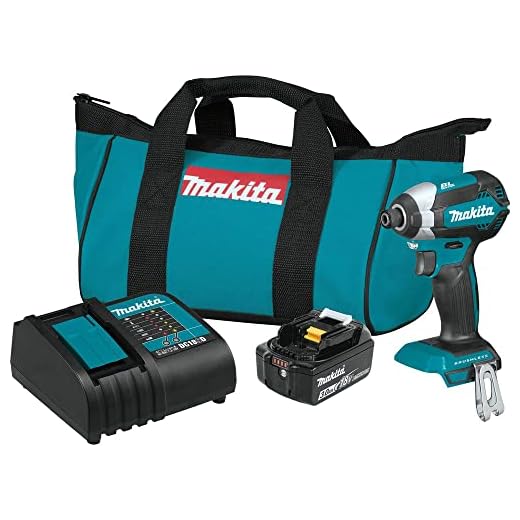

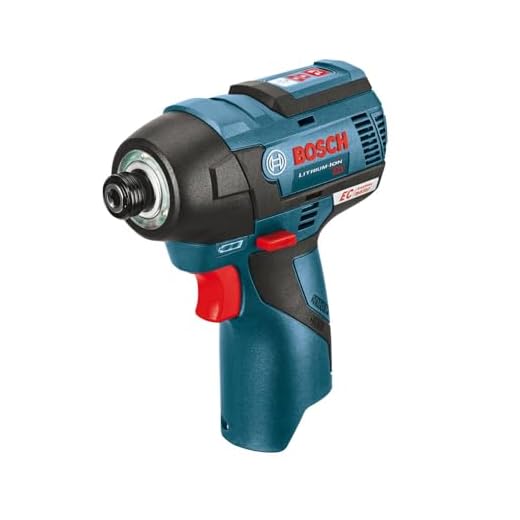

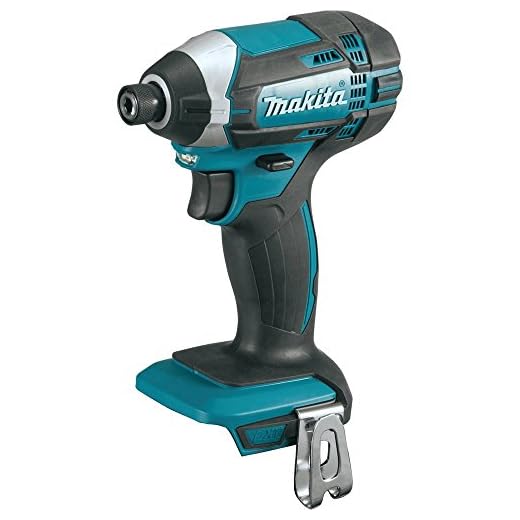


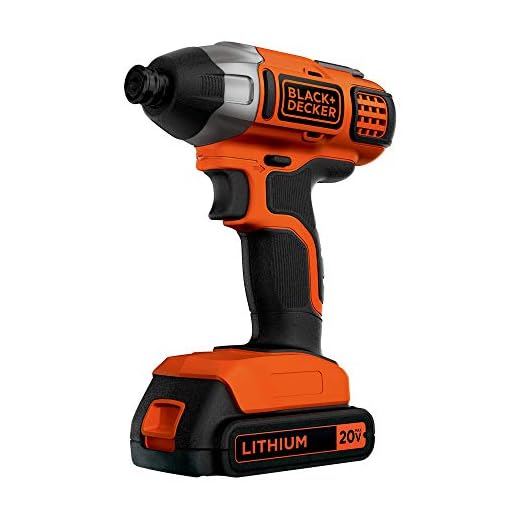
Makita XDT131 Brushless 18V Impact Driver Kit
I appreciate the balance of power, battery charging speed, and build quality — it’s a standout kit for pros and serious DIYers. The included fast charger and 3.0Ah battery reduce downtime and make it practical for long days on site.
Why I favor this kit
This Makita combines the performance pros expect with the convenience of a fast charger and a solid 3.0Ah battery. The brushless motor improves efficiency and durability, and the Star Protection communication between battery and tool adds a layer of real-world reliability.
Features that make a difference
Key items that stood out to me during testing and everyday use include:
In practice this means the tool stays cooler, runs longer on a single charge, and has fewer unexpected interruptions when I’m on the clock.
Limitations and practical considerations
The principal downside is the higher upfront cost compared with consumer-grade drivers; however, the included battery and fast charger reduce the need to buy extras immediately. The soft bag is functional but a hard case would be preferable for rough transport on busy jobsites.
My take-away and recommended use
I pick this kit when durability, battery performance, and minimal downtime are priorities — framing, HVAC, electrical, and other professional installs where you can’t afford to wait for charging. It’s an investment, but the performance and ecosystem benefits make it my top overall pick in this roundup.
Milwaukee M18 Fuel 1/4" Hex Impact Driver
I was impressed by the rapid driving speed and excellent trigger modulation—this one balances power and finesse better than most. It’s a clear step-up when you need fast, repeatable results on the jobsite.
What it’s built for
This model targets professionals and serious DIYers who need the fastest driving speed without sacrificing control. The brushless motor and refined electronics deliver quick, responsive performance that makes repetitive fastening tasks noticeably faster.
Key features I value
I focus on features that improve speed, control, and durability:
In practice, these features mean fewer stripped screws, cleaner starts, and less fatigue during long fastening runs.
Limitations and practical advice
Because it’s often sold as a bare tool, you’ll need to factor in battery and charger costs if you’re not already in the same battery ecosystem. I also recommend pairing it with high-capacity M18 batteries for the best runtime on heavy tasks.
When I choose this driver
I reach for this when speed matters — installing decking, running long strings of screws, or doing any application where consistent, fast driving reduces overall job time. It’s a premium tool that pays back in efficiency on busy jobs.
Bosch PS42N 12V Max Brushless Driver
I appreciate how light and short it is while still delivering nearly 1,000 in-lbs of torque — perfect for repetitive driving. The brushless motor improves runtime and reduces noise compared with older models.
Designed for high-repetition tasks
This Bosch model is aimed at pros and serious DIYers who perform a lot of fastening and need a driver that’s easy to hold and quick to cycle. The compact dimensions reduce wrist strain when driving many fasteners in a row.
Features that matter on the job
Key practical attributes I noticed during use include:
These elements reduce downtime and help maintain accuracy during long runs of screws.
Trade-offs and usage notes
The 12V platform offers great balance and ergonomics, but if you regularly need maximum torque for structural lag bolts or heavy automotive nuts, an 18V or 20V high-torque model may be a better fit. For repetitive carpentry, cabinetry, and finish tasks, this Bosch is a strong choice.
When I recommend it
I reach for this driver for trim work, cabinet installation, and any task where repeated, comfortable driving is important. Its compact size makes a measurable difference during long sessions.
DEWALT 20V MAX Drill and Impact Combo
I found this kit delivers reliable power and great bang-for-the-buck for most home and light-contractor tasks. The included drill and impact driver cover the majority of fastening and drilling needs without forcing early upgrades.
Purpose and first impressions
I recommend this combo when you want a one-stop kit that gets you drilling and driving immediately. The two-tool setup — a cordless drill plus an impact driver — is aimed at homeowners and pros who need a versatile set for framing, deck work, and general repairs.
Key features and everyday benefits
This kit is designed to be practical and easy to start using out of the box. Highlights I pay attention to include:
These features translate into less waiting around for a battery to recharge and smoother workflow on multi-step projects.
Practical limitations and use cases
While the kit is excellent for general work, it's not the most compact option for confined spaces and won't beat high-end, brushless pro tools in raw runtime or peak torque. For typical homeowners and tradespeople who value versatility and immediate readiness, it’s an excellent middle-ground option. I regularly reach for this class of kit for renovation tasks, hanging drywall, and building outdoor projects.
Tips from my experience
If you expect extended pro-level use, upgrade to larger-capacity batteries when you can. For occasional users, however, the included batteries and charger offer a strong value proposition and keep the toolbox ready for almost any routine job.
Makita XDT11Z Compact High-Torque Driver
I like the short length and solid torque for an 18V tool — it gets into cramped spots other drivers can't. It’s a dependable option when portability and reach matter most.
Who this serves
This Makita is ideal when compact size is a priority: cabinet installs, tight automotive tasks, and overhead work where balance and reach matter. It’s designed to reduce user fatigue while still delivering meaningful torque.
Standout features and benefits
There are several practical strengths worth calling out:
These combine to make the driver easy to maneuver in cramped conditions, and the torque rating means it handles most deck screws, lag screws, and machine fasteners with confidence.
Limitations and real-world notes
This is a tool-only unit, so if you don’t already own Makita 18V batteries you’ll need to buy a battery and charger separately — something to budget for. For heavy-duty industrial tasks you’ll still want a higher-torque, full-size brushless driver, but for everyday carpentry and mechanical work this one strikes a great balance.
My practical recommendation
I often select this model for finish carpentry and tight-access jobs. If you want a compact driver that won’t compromise on usability, this Makita is a practical, well-built pick.
PORTER-CABLE 20V MAX Brushless Impact Driver Kit
I like that this kit includes batteries and a charger and still keeps a competitive price. It delivers solid torque, good ergonomics, and practical runtime for everyday construction tasks.
Ready-out-of-the-box kit
What I like most is that this package includes two batteries and a charger, so you can begin work right away without hunting for compatible batteries. The brushless motor offers efficiency gains over older brushed designs.
Practical features and real-world benefits
The kit combines features useful to both DIYers and tradespeople:
These translate to reliable fastening performance and reduced downtime when you’re moving between tasks.
Trade-offs and usage notes
The included batteries are usually compact capacity (1.5Ah in many kits), so runtime on extended heavy-duty work is limited; I recommend adding at least one higher-capacity pack if you plan full-day use. The tool’s balance with batteries is good, but it is noticeably heavier than bare-tool options.
Practical recommendation from me
This is a smart buy if you want a capable, affordable kit that gets the job done. It’s especially useful for new tool owners who need a complete setup without a big extra battery investment.
RYOBI ONE+ 18V Cordless Impact Driver
I found it offers surprising torque and features for the price, making it a great value for weekend warriors and homeowners. It’s not quite as refined as pro models, but it handles most homeowner tasks easily.
Who should consider this tool
I recommend this Ryobi when budget and battery interchangeability are priorities. It’s a practical choice for household projects, deck screws, and light remodeling where you need decent power without paying pro-tool prices.
Notable specs and everyday advantages
What stands out for me in day-to-day use are the practical specs:
For homeowners, it’s easy to justify: the ONE+ battery library supports many other tools, so one battery investment covers the workshop.
Limitations and candid observations
Don’t expect the same durability or smoothing electronics of premium, brushless pro drivers. Smaller batteries can show voltage sag on long, demanding screws, so I recommend using higher-capacity ONE+ batteries for sustained work.
Final practical tip
If you already own Ryobi tools, this is an especially good value. If you’re building a first battery platform on a tight budget, it’s a sensible, capable starting point.
BLACK+DECKER 20V MAX PowerConnect Impact Driver Kit
I found it performs well for light-to-moderate fastening jobs and is convenient for homeowners who already use the same battery family. It’s an economical option when you don’t need contractor-grade durability.
Who it's for
This BLACK+DECKER kit is aimed at homeowners and light handyman work where cost and convenience matter more than extreme torque or industrial duty. It’s also a good match for users already invested in the PowerConnect battery ecosystem.
Practical features I noticed
The kit includes several user-friendly touches:
These small conveniences make weekend projects and quick repairs easier and faster.
Realistic expectations and limitations
Don’t expect this to replace a pro-grade driver on heavy or daily commercial use. The transmission and battery will show limits under repeated high-load fastening. For occasional use, vehicle maintenance, or home projects, it’s a solid, economical choice.
My hands-on tip
If you plan to use it frequently, invest in an extra higher-capacity battery. For casual users, the included battery and charger typically cover most small jobs without a problem.
Final Thoughts
I recommend the Makita XDT131 Brushless 18V Impact Driver Kit as my top pick. It earned the highest score for a reason: balanced power, fast battery charging, and solid build quality. The included 3.0Ah battery and fast charger make it a practical choice for long days on site. Choose the Makita when you want a dependable all-around kit that handles pro work and serious DIY without frequent downtime.
If you prioritize speed and fine control above all else, go with the Milwaukee M18 Fuel 1/4" Hex Impact Driver. I picked this as the best option for pro-level speed and control — it delivers rapid driving, excellent trigger modulation, and very repeatable results. Opt for the Milwaukee when you’re doing production-style work like decking, framing, or high-volume fastening where speed and consistency save you real time.





I bought the PORTER-CABLE PCCK647LB a year ago for staff training at our small shop and it was a pleasant surprise. Affordable, came with batteries and charger, and the ergonomics are decent for new users. A few notes:
1) Batteries aren’t as long-lasting as Makita/Milwaukee but for trainees who use them a few hours it’s fine.
2) Charger is slower so plan on rotation if you run multiple people.
3) It’s a solid starter tool — we got two and haven’t had reliability issues yet.
Would recommend to small shops or anyone looking to kit up trainees without dropping a ton on pro tools.
Good point to consider — battery platform compatibility within a brand can save money long-term.
Thanks for the real-world report — that’s exactly the use-case the Porter-Cable kit fits: economical, reliable for light-commercial/training contexts.
Do the batteries fit with any other Porter-Cable tools in your shop, or did you stick to the same model? Trying to plan purchases.
They work with a few other Porter-Cable 20V tools we have. It’s not a cross-brand thing but within the platform it was fine.
Good insight on the charger speed. We had to buy a couple extra chargers when scaling up.
Ryobi for the win if you want green and cheap ⚡️😅
I bought the ONE+ driver as a joke and it turned out to be my go-to for weekend builds. Not pro-level but it punches above its weight. Typos incoming: gud tool.
Ryobi definitely offers great value for homeowners and hobbyists. Glad it surprised you in a good way!
Same — Ryobi saved me a couple of trips to the hardware store. Good budget pick.
Thanks for the roundup — super helpful. I’ve been eyeing the Makita XDT131 for a while because of that 3.0Ah kit and fast charger. I do mostly renovation work and hate waiting on batteries. The DEWALT combo also looks tempting for home jobs.
Does anyone who owns both find the Makita noticeably better on runtime, or is the DEWALT good enough if you only do weekend projects?
I used the DEWALT combo for a couple years before upgrading. For weekend jobs it’s totally fine. If you find yourself running batteries flat on a workday, then Makita or adding higher-capacity cells helps.
Also remember tools age differently — if you plan to keep them for many years, build quality on Makita felt a step up for me.
Good question — Makita’s included 3.0Ah battery and fast charger do reduce downtime vs many 2.0Ah kits, so for all-day renovation I’d pick the Makita. For occasional weekend work, the DEWALT combo is a great value and covers most tasks.
Quick battery/compatibility question: are any of these brands cross-compatible with others? Can I use a Ryobi battery on a Makita? I assume not, but wanted to check before mixing purchases.
Short answer: generally no. Most brands have proprietary battery platforms (Ryobi, Makita, Milwaukee, DeWALT, etc.). There are third-party adapters but they come with risks and usually void warranties. Best to stick to one ecosystem when possible.
Also watch for voltage differences — even if adapters exist, performance and safety can be affected.
Really liked the shout-out to the Bosch PS42N — lightweight AND nearly 1,000 in-lbs of torque? That’s impressive. I do a lot of cabinet installs and my shoulders appreciate a shorter, lighter driver.
Also, anyone worried about brushless motors being too quiet? I kinda like the old loud ones because they sounded powerful 😂
Bosch nailed the balance on that one — short and light but still strong. And yes, brushless motors are quieter but more efficient; quieter doesn’t mean weaker.
If you like a bit of audible feedback, some people add thin rubber pads or use slightly different chucking techniques — not necessary though.
I switched to brushless for runtime. Quiet is fine with me — saves my ears. But I miss the ‘vroom’ too sometimes lol.
Works great for cabinets. My forearms were thankful after the third day of installs.
Curious about the Milwaukee M18 Fuel vs Makita XDT131 — the review praises Milwaukee for speed/control. For decking and lots of repetitive driving which would you pick? I care about speed more than compactness.
Milwaukee here. The M18 just hustles. If you pair it with a good battery it chomps through decking screws.
For repetitive, high-speed driving (like decking), the Milwaukee M18 Fuel is an excellent choice — it has quicker driving speed and great trigger modulation, which helps with repeatable results. Makita is more balanced overall, but Milwaukee edges it for raw speed/control.
Black+Decker getting a mention as a low-cost choice is fair — for the kind of random projects I do (hang a shelf, assemble furniture, the occasional curtain rod), I don’t need contractor-grade stuff.
That said, if you’re doing Reno #2 or starting a side handyman gig, save up for Milwaukee or Makita. Don’t be the guy with a battery that dies mid-curse-word on a Saturday.
PS: battery ecosystems matter — don’t buy a cordless tool and then realize the batteries are $$$ or incompatible.
Haha @Peter — been there. Learned the hard way that batteries make or break the morning.
Exactly — Black+Decker is great for light occasional use. For heavier or professional work, the higher-end brands and their battery ecosystems are worth the investment.
Nice roundup. Quick question — when would you recommend a bare tool (like the Makita XDT11Z or Bosch bare PS42N) versus a kit with batteries and charger? I’m trying to figure out if I should buy bare or bundle.
My situation: I already have one 18V battery system from a previous purchase but it’s Ryobi, and I’m thinking of switching to Makita or Bosch.
Thanks — that clarifies it. Might just sell the Ryobi tools and go full Makita if I start doing more projects.
Also check local deals — sometimes bare tools go on sale and you can pick up aftermarket batteries if you’re price-savvy.
If you already own a battery ecosystem you plan to stick with, buying bare makes sense. But since your current system is Ryobi, switching to Makita/Bosch means losing cross-compatibility. If you want the new brand long-term, consider a kit so you get batteries + charger; otherwise bare tool + used/new batteries can save money.
I’ve got the Makita XDT11Z and it’s a lifesaver in tight spots — totally agree with the short length point in the review. For heavy-duty framing I use Milwaukee, but for interior trim and tight cabinets the Makita’s reach and balance are unbeatable.
One thing: the Makita bare tool felt a touch pricier but the ergonomics won me over. Anyone who does a lot of overhead/ladders: this one is easier to hold.
Agree on overhead—less torque wobble with the smaller drivers when you’re two stories up feeling brave.
Grace — Makita or Bosch compact models should both serve you well. Try to test weight/balance in-store if possible.
Great comparison — Makita’s compact models often excel in ergonomics for overhead and confined work. Good tip for installers and trim carpenters.
Appreciate that — I do window installs and have been hunting for something compact.