


No outlets? No problem — which gas compressor will outwork your coffee and keep the shop humming?
Power without cords is a beautiful thing. I’ve stood in the middle of a jobsite with no power and watched a gas compressor bring everything to life. It’s freedom and muscle in one noisy, reliable package.
I tested units that range from whisper-quiet contractors to full-on truck-recovery beasts. Some are built for continuous high-flow work, others for quiet portability. I’ll tell you which ones I’d actually buy for real jobs — not just to look cool in the shop.
Our Top Picks


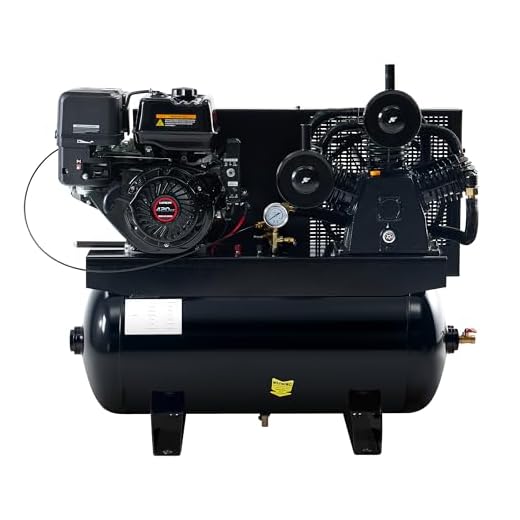


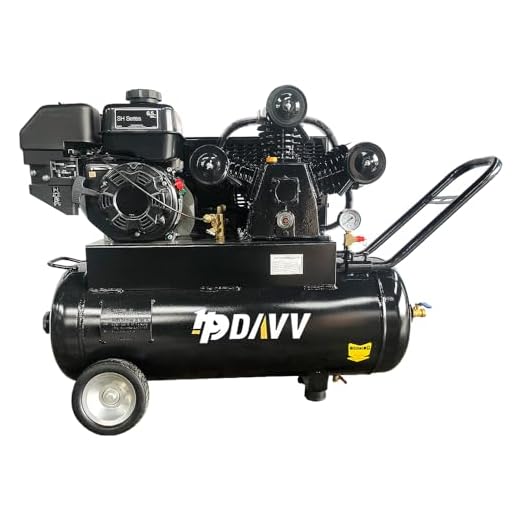


NorthStar GX390 30-Gallon High‑Flow Compressor
This NorthStar with a Honda GX390 engine and 24.4 CFM recovery is fantastic for heavy truck work and continuous high‑draw applications. I like its quick recovery time and rugged construction for demanding service environments.
Ideal applications
I recommend this NorthStar for fleet mechanics, truck repair shops, and service rigs that need fast recovery and high airflow for extended use. It’s the sort of compressor that replaces smaller shop units and keeps up with continuous impact tool usage.
What stands out
My experience with this configuration shows it rarely runs out of reserve even under 1/2" impact driver loads — exactly what you want on heavy repairs.
Practical considerations
This is a heavy, relatively expensive unit that’s best truck- or trailer‑mounted. It’s a professional choice: expect routine maintenance (valves, belts, filters) but also long service life when properly cared for.
Verdict
If you need high-capacity, dependable air that keeps up with professional heavy-duty work, this NorthStar is one of the best value-for-performance picks in the lineup.
Metabo HPT EC2510E 8‑Gal Wheeled Compressor
This Metabo HPT is aimed squarely at pros who want a compact, reliable wheeled compressor that still delivers strong pressure and professional features. The Honda GX engine and cast‑iron cylinder signal long life and stable performance.
Best use cases
I recommend this Metabo HPT EC2510E for professionals who need a robust wheeled compressor for framing, roofing, and general contracting tasks. It bridges the gap between small residential compressors and full shop rigs with pro‑grade components.
Key strengths I noticed
The wheeled layout makes it easy to position on site while delivering better recovery and stability than smaller units.
Practical notes
The 8‑gallon tank is a tradeoff: you get portability and faster warm-up but less reserve air. For many pros this is acceptable because the engine and pump recover quickly. If you need longer continuous runs, consider a bigger tank.
Conclusion
For a professional contractor who prioritizes reliability and a serviceable design, this Metabo HPT is one of the most balanced wheeled compressors available.
Industrial Air 4-Gallon Quiet Contractor Compressor
I appreciate this unit’s unusually quiet 55 dB operation paired with a Kohler 196cc engine and oil-free direct drive pump. It’s ideal for noise‑sensitive sites where portability and low maintenance are priorities.
Who this is built for
I recommend this Industrial Air unit to contractors and serious DIYers who need a truly portable compressor that won’t disturb nearby workspaces or clients. Its strength is in quiet performance paired with a rugged Kohler engine for reliable starts.
Key features I like
The combination makes it a great go‑to for trim carpentry, flooring, and indoor jobs where noise and portability matter.
Limitations and practical notes
Because the tank is small, you’ll see more frequent pump cycles with high‑demand tools. Also, check units on arrival — a minority of buyers reported dents or missing handles out of the box, so inspect and document any shipping damage immediately.
Final impression
For onsite finishing trades and contractors who work in noise-sensitive environments, this compressor is one of my top picks thanks to its surprisingly quiet operation and reliable engine.
13HP 30‑Gallon 18CFM Workshop Compressor
This Albott 13HP 30‑gallon compressor offers robust airflow and a high 180 PSI ceiling, making it well suited to extensive workshop tasks and off‑grid setups. It’s a powerful unit with a sensible balance of tank size and CFM.
Who this suits
I’d recommend this Albott model to medium-to-large workshops, rural users, and anyone who needs a robust compressor that can support multiple tools or long runs without frequent cycling. It’s built for sustained work rather than light DIY.
Notable specifications
Practically, this model works well on remote sites where grid power isn’t available and you need a serious air source for multiple trades.
Tradeoffs
Expect added weight and fuel use relative to smaller units. If you need quieter operation or a lighter unit for frequent transport, consider smaller options. Otherwise, this is a solid performer for workshop and jobsite use.
Bottom line
For a shop that needs higher continuous capacity without stepping into industrial stationary systems, this Albott is a compelling choice.
13HP 30-Gal Portable Gas Compressor
I found this unit delivers impressive continuous power for mobile workshops and truck-side repairs. It balances high CFM and a stout 30‑gallon tank in a package that’s reasonably portable for a 13HP machine.
What this compressor is for
I view this model as a workhorse for job sites and mobile mechanics who need sustained air for heavy pneumatic tools. It’s built around a 13HP gasoline engine paired with a 30‑gallon ASME tank and a 24 CFM pump, which makes it suitable for impact wrenches, sanders, and continuous nailer/sealer work.
Key features and benefits
I like that it gives real usable reserve air and recovers quickly under load — practical when you’re running heavy tools without a shop compressor nearby.
Practical insights and limitations
The unit is portable compared to stationary shop compressors but still substantial in weight and footprint. If you move it frequently you’ll want proper lifting or a capable vehicle. Noise is typical for a gas 13HP unit, so ear protection is necessary on busy sites.
Final take
I recommend this compressor when you need serious on-site power without going full stationary. It’s best for crews or technicians who value runtime and pressure stability over minimal noise or lightweight portability.
NorthStar Twin‑Tank Portable Compressor
This NorthStar uses a Honda GX160 and a full cast‑iron pump for long life and consistent cooling. It’s a sound choice when you value maintenance longevity and steady air delivery over compact size.
Purpose and use cases
I see this NorthStar as a dependable site compressor for professionals who want a long‑running pump and tried‑and‑true Honda reliability. It’s well-suited for finishing, nailing, and intermittent heavy tool use where pump durability matters most.
Design and notable features
Those components add up to a machine that’s built to last; I’d expect fewer valve and head failures compared with lower-end pumps.
Practical considerations
The 8‑gallon twin configuration is compact but reduces reserve air, so the compressor cycles more frequently under load. Some users report it runs roughly until it reaches operating temperature, so I recommend letting it warm up before high-demand tasks. Transport requires attention due to the unit’s weight.
My takeaway
If you prioritize longevity and low‑maintenance pump design in a compact, portable package, this compressor is an excellent middle ground.
6.5HP 20-Gallon Horizontal Compressor
This 6.5HP 20‑gallon unit is an affordable, practical choice for small shops and off-grid applications. It won’t match industrial setups for continuous heavy use but offers strong bang for the buck and easy mobility.
Who should consider this model
I’d recommend this Albott compressor to DIYers, small contractors, and off-grid users who need a dependable air source without a large investment. It’s especially appealing when portability and economy matter more than full industrial output.
Standout characteristics
Users in my experience like how quickly it comes back to pressure for common tasks like nail guns, inflation, and light spraying.
Practical notes and tradeoffs
This compressor is best for jobs with periodic air demand; it will struggle for long runs of pneumatic tools that require continuous high airflow. That said, for camp houses, roof work, and general trade use it performs well. Expect routine maintenance and occasional engine servicing on Loncin platforms.
Bottom line
If you want a portable, affordable compressor that gets a lot of basic jobs done without breaking the bank, this model is a solid pick.
6.5HP 20-Gal 17CFM Gas Compressor
This 6.5HP, 17 CFM 20‑gallon unit fills the gap between small hobby compressors and full industrial rigs. It’s a good choice for busy workshops that need more flow without stepping up to 13HP machines.
Best uses
I see this HPDAVV compressor as a fit for middling‑demand workshops — think small fabrication, roofing prep, and jobs that use intermittent impact tools and nailers. It provides a practical step up in airflow without the cost or size of large industrial units.
Features and performance
In practice I like how it gives you more headroom for tool combos (e.g., framing nailer + air ratchet) compared with entry‑level compressors.
Practical limitations
The unit is fairly heavy, so plan for stable mounting or a truck for transport. Because there’s less public feedback, I’d budget for basic maintenance checks early (valve clearance, belt tension if applicable) to ensure long life.
Summary
If you want a mid‑range gas compressor that leans toward higher flow without jumping to 13HP, this model is a sensible, practical pick.
AEOLUS A 8‑Gal Twin‑Tank Portable Compressor
I see this AEOLUS unit as a sensible pick for users who like twin‑tank portability and mid-level performance. It offers decent CFM for light-to-moderate tasks and is built for portability with a twin‑stack design.
Who should consider this compressor
I’d suggest this AEOLUS model for small contractors, mobile technicians, and homeowners who want a twin‑tank compact compressor that’s easier to move than larger horizontal 30‑gallon units. It fits well for inflation, nail guns, and light sprayers.
Features worth noting
The twin‑tank layout reduces footprint and helps the unit ride more stably when wheeled.
Limitations and practical advice
Expect noticeable engine noise and limited reserve air for continuous heavy tools. If you plan multiple consecutive high‑draw operations, you’ll want a larger tank or higher CFM. Given the limited public feedback, I recommend a careful initial inspection and scheduled early maintenance checks.
Final thought
For a compact, affordable twin‑tank compressor that covers typical jobsite chores, this is a reasonable option — just be realistic about its capacity limits.
13HP 30‑Gallon Horizontal Service Compressor
This 13HP 30‑gallon XtremepowerUS compresses a lot of capability into a budget package, but I’m cautious given reported early failures. It can be useful if you need raw capacity and are prepared for careful inspection and upkeep.
Who this unit might suit
I’d only recommend this compressor to buyers who prioritize capacity and initial cost over brand pedigree, and who are comfortable performing or arranging early inspections and potential repairs. It’s a fit for budget-conscious crews who can verify each unit on arrival.
What it offers
In theory it’s an appealing spec-for-price machine, but the real-world dependability is the crucial variable.
Caveats and practical advice
Several user reports describe weld or motor failures early in service — that raises a red flag. If you buy one, I recommend a thorough out‑of‑box inspection, a stress test under warranty window, and immediate documentation of any defects. Factor potential downtime and repair costs into your decision.
My recommendation
If you need a high‑capacity compressor and are willing to assume extra diligence around inspection and maintenance, this model can deliver good value. If you need rock‑solid, turn‑key reliability with strong support, consider established-brand alternatives instead.
Final Thoughts
I recommend the NorthStar GX390 30-Gallon High-Flow Compressor as my top pick for heavy-duty and continuous-use needs. I’d buy this one for truck repair, recovery, and demanding shop work because it pairs a Honda GX390 with a 24.4 CFM recovery and rugged construction. In plain terms: it recovers fast, breathes hard, and keeps running when you need sustained airflow.
For pros who need a more jobsite-friendly option, choose the Metabo HPT EC2510E 8-Gal Wheeled Compressor. I’d pick this as the best professional wheeled compressor when you want true portability without giving up durable components — think cast-iron cylinder and a Honda GX engine. It’s the unit I’d load into a truck for daily site work and still expect long service life.






I actually like the AEOLUS wheeled twin-tank option for weekend projects — it’s cheap and portable enough for light-to-moderate tasks. It’s not industrial, but for a hobbyist like me it checks the boxes.
Anyone used one for light bodywork or inflating tires at home? Curious about build quality and noise.
AEOLUS is a good budget pick for light tasks. Expect basic components — works well for hobby bodywork and occasional tire inflation. Noise will be moderate; not as quiet as specialized quiet contractors but manageable for short sessions.
I used an AEOLUS for occasional tire/airbrushing work. It did the job fine — just don’t expect it to run all day every day.
Quick question for folks: I’m running a 1/2″ impact wrench and occasional framing nailers. Which of these would be the minimum safe pick? I keep seeing CFM numbers (10.7, 17, 24, etc.) but I’m confused how they translate to tool performance.
Also, does higher PSI help impacts or is CFM the main thing?
Also size your hoses and fittings right. A skinny hose will kill performance more than a slight CFM shortfall.
For an 1/2″ impact wrench you’ll generally want at least 4–5 CFM at the tool’s operating PSI (often ~90 PSI) — but that’s at the tool. Accounting for hose/line losses and simultaneous use, aim for 10–15 CFM for comfortable operation. Higher PSI can increase tool torque a bit, but CFM (air volume) is the main limiter for sustained use.
I run a 1/2″ for heavy work and 10–15 CFM minimum is what I recommend. If you want to run two tools, factor both together.
Why do we even have arguments about compressors like they’re smartphones? 😂
In all seriousness, if you’re using impacts and big tools, get a bigger CFM. If it’s just nail guns for framing once in a while, a small twin tank will do. Also, don’t forget that gas compressors are loud and thirsty — embrace the noise or move to electric when you can.
Love the sarcasm. Also: electric is awesome until you need to be remote or the breaker keeps tripping. For remote jobs, gas all the way.
Haha — fair point. Choose based on duty cycle and tool CFM requirements, and consider jobsite noise rules when picking gas vs electric.
Bought the Albott 13HP 30-gallon for my cabin workshop and have been running pneumatic sanders and an impact wrench off-grid. The 180 PSI ceiling is nice for specialty tools. No generator needed when the compressor’s the main power draw — saves me a headache.
Two caveats: it’s big and the Loncin engine needed a break-in period. Also, I had to secure the tank better on my trailer for transport.
Nice! I considered this for my shop too. Did you run into any difficulty getting parts for the Loncin engine? I worry about service in rural areas.
Glad it’s working well for off-grid use, Sophie. For transport, use ratchet straps over padded supports to prevent tank contact and shifting — and double-check valve protection during transit.
Noise is a big deal for me — neighbor complaints are the worst. The INDUSTRIAL AIR with the Kohler SH270 and 55 dB quiet operation sounds tempting. Can someone confirm: is it really as quiet as advertised in real-world job sites? I’m thinking about doing finish carpentry in suburban areas.
Also, does the direct drive mean less maintenance? I’m not an engine guy, so any maintenance tips appreciated.
55 dB is quite plausible at idle or low-load conditions; under full load it will be louder but still generally quieter than many traditional gas compressors. Direct drive reduces belt maintenance and slippage issues, so yes — typically less upkeep. Just keep oil changes and air filter checks on schedule.
I used a similar Kohler direct-drive unit on a renovation job. It was noticeably quieter than older belt-driven generators. Still bring hearing protection if you’re beside it for hours, but for suburban finish work it was fine.
Tip: mount it on dense rubber pads and run the exhaust away from living areas. That reduces perceived noise quite a bit. Also, check the muffler — aftermarket quiet mufflers can cut sound further.
I almost pulled the trigger on the Metabo HPT EC2510E after reading the review. The wheeled design + Honda GX engine sounds like a perfect pro combo. I like that it’s compact but still rated 116–145 PSI — solid for framing nailers and some impact tools.
Anyone used the integrated control panel? Is it durable on job sites?
I used the panel a lot on a rental job. It’s fine but treat it like any instrument panel — don’t slam heavy gear on it. The cast-iron cylinder impressed me; feels like it will outlive the average jobsite.
The control panel is generally rugged and user-friendly — check connectors for dust buildup periodically. For jobsite abuse, consider a small steel guard or a panel protector if you’re transporting it frequently.
Long post incoming — hope that’s okay. 😅
I’m torn between the Metabo HPT for pro wheeled use and the INDUSTRIAL AIR for quieter operation. I do a mix of finish carpentry and the occasional layout framing. Ideally I’d have something that a) isn’t too loud when I’m working near houses, b) can still handle a framing nailer occasionally, and c) won’t break after a season of use.
Metabo looks tougher, INDUSTRIAL AIR looks quieter. Is there a compromise? Or should I keep both ideas on the table and pick based on sale price? Also — anyone tried mufflers or sound enclosures for these gas units? Might be a dumb idea but thought I’d ask. ty!
If you’re often near houses, I’d prioritize the quieter unit. Nothing worse than neighbor complaints mid-job. You can always rent a bigger compressor for the rare heavy days.
Look for units with low RPM engines and big mufflers. That helps more than you’d expect. Also: strategic placement (behind a trailer or fuel barrel) can baffle the sound a lot.
Not dumb at all. Some users build a sound enclosure with welded steel or thick plywood lined with sound-deadening mat, ensuring ventilation and exhaust routing. For jobsite flexibility, Metabo HPT is rugged; if noise sensitivity is top priority, the INDUSTRIAL AIR or adding a muffler/enclosure to a slightly louder unit can bridge the gap.
I built a small box with insulation and an exhaust extension — reduced perceived noise by a good margin. Just be careful with heat buildup and airflow for the engine.
I’ve been eyeing the HPDMC 13HP with electric start for truck repair work. Electric start is a lifesaver in cold mornings. Does the 24 CFM rating really translate to continuous use at truck-side repairs, or is it more of a peak number?
Also: how reliable are these electric-start conversions on gas compressors?
I run a 13HP electric-start on a service truck — it’s solid. Just keep the battery charged and check starter solenoid connections. The pump itself is the part that usually gets most wear, not the starter.
Make sure the onboard battery is secured and has an isolator so you don’t drain your truck battery between jobs.
Electric start is very convenient for cold starts and frequent restarts. CFM ratings often are measured at specific PSI; 24 CFM should be robust for many truck-side tasks, but continuous duty at max CFM can stress smaller components — observe duty cycles. Regarding reliability, reputable electric start kits are fine; watch battery maintenance and starter motor mounting.
I’m thinking about the NorthStar 8-Gal twin tank (the one with Honda GX160 and cast-iron pump) for my small mobile detailing setup. My concerns:
1) How often should I be draining the twin tanks if I’m using it daily in humid conditions?
2) Any special maintenance for the cast-iron pump vs an aluminum one?
I’m not very mechanically savvy, so please dumb it down for me 😅
Auto drain ftw. Saves so much time. I set mine to dump every 8 hours when I’m on site.
Good questions, Ava. 1) Drain daily if you’re in high humidity and using the compressor each day — or install an auto drain to avoid daily manual work. 2) Cast-iron pumps are generally more durable; follow the manufacturer’s oil schedule (if oil-lubed) and check valves every few months. If it’s an oil-free model, just watch the intake filter and replace as needed.
If you aren’t that handy, find a local small engine shop to do a yearly check (valves, valves seats, belts if any). It’s money well spent and keeps you from unexpected downtime.
Cast-iron pumps can handle heat better, but they weigh more. For a mobile setup, make sure your mounting has good vibration damping so the welds and fittings don’t loosen over time.
XtremepowerUS at 13HP and 30 gallons sounds tempting on paper for the price, but the ‘cautious’ tag in the verdict worries me. Has anyone had long-term failures or warranty issues? I’d rather pay a bit more up front than be stuck with repairs mid-season.
I saw some reports of early failures — are those isolated or common?
If you get it, document everything and get extended warranty if possible. Some people had luck returning under Amazon’s protection, but YMMV.
The caution comes from a mix of user reports and limited quality-control consistency. If you go that route: inspect welds, test run before purchase acceptance, and consider a thorough pre-use service (filters, oil, belts if any). For critical, continuous work, a proven brand may be a safer pick.
I bought one for light farm use. It worked fine for two summers, then the pump seized. I had to replace parts — cost ended up close to a mid-tier unit. Might be OK for occasional use, but I’d avoid for daily heavy duty.
I’ve been using a NorthStar with the Honda GX390 at my recovery shop for about a year — it’s a beast. Quick recovery times make all the difference when I’m inflating tires on a double shift.
Couple things: the 24.4 CFM at 90 PSI is exactly what you want for continuous heavy truck air tools, but expect the unit to be heavy and need a solid mounting if you’re putting it on a service bed. Maintenance has been straightforward so far, just regular oil checks on the Honda and pump lube.
Anyone else running one in a mobile shop? Curious about long-term fuel economy and vibration isolation tips.
Thanks for the detailed write-up, Ethan — very helpful. For vibration isolation, I recommend rubber mounts and ensuring the tank is secured with vibration-damping straps to reduce stress on fittings. Fuel economy varies by load, but some users report ~0.6–0.8 gal/hr under moderate use; heavy continuous use will obviously be higher.
I’ve got one in my tow truck. Fuel usage is decent for the power you get — about 1 gal/hr under heavy use. Make sure your air lines are rated for the duty cycle, and swap in a pneumatic oil trap if you use tool oilers with the compressors.
Ethan — do you run it with a remote drain? I installed an auto drain on mine and it saved a ton of time dealing with moisture when working in humid climates.
These 30-gallon units (Albott, HPDMC, XtremepowerUS) are tempting, but for solo work they’re a pain to move. Even the ‘portable’ models are heavy. Does anyone have tricks for moving them around a one-person shop?
Also, are smaller wheeled models (8–20 gal) actually more convenient even if you lose some CFM?
For single-person shops, consider mounting the 30-gallon on a small trailer or a hand truck specifically rated for the weight. For convenience, 8–20 gal wheeled models are much easier to maneuver around tight spaces; just ensure their CFM meets your tool requirements.
Use a pallet jack or convert a sturdy dolly with straps. For in-shop use, smaller wheeled compressors are way more user-friendly unless you really need the tank capacity.
Between the Albott 6.5HP 20-gallon and the HPDAVV 6.5HP 20G — both look similar on paper (HP, tank size) — what’s the real-world difference? I’m building a small mobile tenting setup and need something reliable but not huge.
Any tips on which has better build quality or parts availability?
The Albott tends to be marketed with slightly more emphasis on build and wheels, while HPDAVV is pitched at slightly higher CFM (17 CFM vs Albott’s 10.7 CFM max rating). If you need more flow for intermittent heavier tools, HPDAVV may be the better choice. Albott is often cheaper and easier to find parts for via common Loncin channels.
If you need mobility and lighter duty, Albott is fine. If you want better flow for 2-3 tools or larger impact guns, HPDAVV’s higher CFM will help.
The NorthStar 8-Gal twin tank touts a cast-iron pump — that appeals to me for longevity. How big of a deal is cast iron vs other materials for the pump? Are there specific failure modes to watch for with cast-iron pumps?
I’m debating paying a premium for the NorthStar vs a cheaper aluminum-pump machine.
Just watch for gasket degradation and make sure you follow oil change intervals. Cast-iron pumps still fail if neglected, but they give you more warning signs (weird noises, oil leaks) before catastrophic failure.
Cast-iron is tougher — I’ve seen aluminum pumps warp under high-heat continuous use. If you plan heavy daily use, go cast-iron.
Cast-iron pumps generally handle heat and wear better than many aluminum pumps and often have replaceable parts. Look for signs of oil leaks, worn valves, and cylinder scoring over time. For heavy or continuous use, cast iron is usually worth the premium.