
The Difference Between a Pointing Trowel and a Margin Trowel – Which to Use When?

Welcome to our blog post where we delve into the vital tools of the trade in the world of masonry and construction – the pointing trowel and the margin trowel. If you’ve ever found yourself wondering which tool is best suited for specific tasks or situations, you’re in the right place. In this post, we’ll explore the differences between a pointing trowel and a margin trowel, and help you understand when and why to use each one. Let’s dive in and equip you with the knowledge you need to tackle your next project with confidence!

Understanding Pointing Trowels
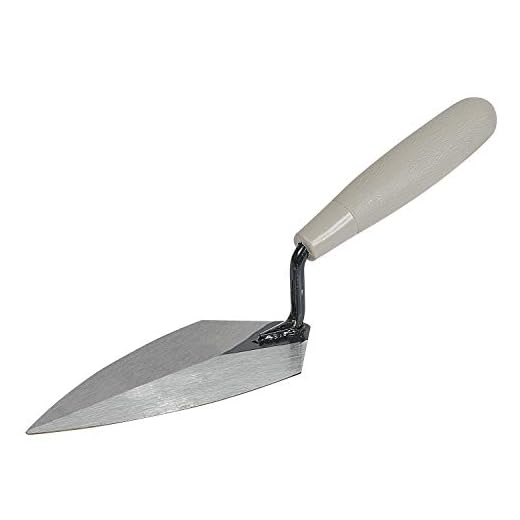
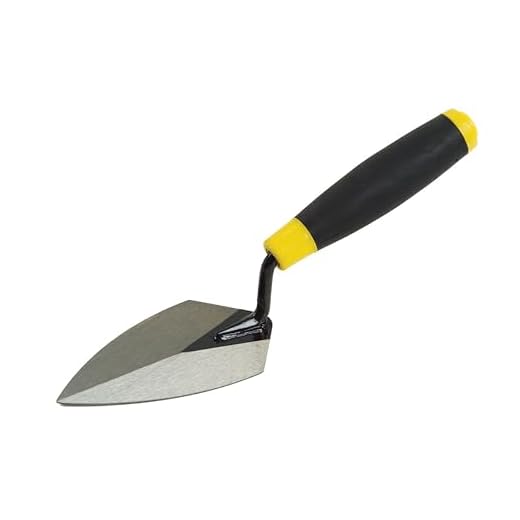
Pointing trowels are indispensable tools for precise masonry work, particularly in applying mortar in tight spaces such as joints and gaps. Let’s delve deeper into the design, size variations, and typical uses of pointing trowels to understand their importance in construction projects.
Design:
- Blade: Pointing trowels have a flat, pointed blade with a handle. The blade is typically made of high-quality carbon steel or stainless steel, ensuring durability and resistance to corrosion.
- Handle: The handle is ergonomically designed for a comfortable grip, allowing for precise control during application.
- Size: Pointing trowels come in various sizes, typically ranging from 4 to 6 inches in length. The size chosen depends on the specific project requirements and the user’s comfort and preference.
Typical Uses:
- Mortar Application: Pointing trowels excel in applying mortar in joints, gaps, and tight spaces with unmatched precision.
- Bricklaying: They are essential for filling and smoothing mortar in between bricks, ensuring a strong and seamless bond.
- Detail Work: Pointing trowels are ideal for intricate masonry work, such as repairing cracks or finishing edges with finesse.
Precision in Tight Spaces:
Pointing trowels shine in their ability to access and maneuver in confined areas where larger tools cannot reach. Their pointed blades allow for meticulous mortar application, ensuring neat and clean finishes even in the narrowest of joints and crevices.
Practical Examples:
- Marshalltown 45 – This 5-inch pointing trowel boasts a high-carbon steel blade for precision work in tight spaces.
- Kraft Tool PL360 – With a 6-inch stainless steel blade, this pointing trowel is perfect for detailed bricklaying tasks.
Whether you are a professional mason or a DIY enthusiast, investing in a high-quality pointing trowel can greatly enhance the efficiency and outcome of your masonry projects. With their unparalleled precision and maneuverability, pointing trowels prove to be invaluable tools in achieving seamless and sturdy constructions.
Insight into Margin Trowels
Margin trowels are an indispensable tool for builders, masons, and DIY enthusiasts alike. Their unique design and features make them ideal for a variety of tasks related to spreading, shaping, and smoothing materials like mortar and concrete. In this blog post, we will dive deeper into the features and purposes of margin trowels, highlighting their versatility and practicality in construction projects.
Features of Margin Trowels
- Compact Size: Margin trowels are smaller than traditional trowels, making them perfect for tight spaces and precision work.
- Flat Blade: The flat, rectangular blade allows for easy spreading and shaping of materials.
- Durable Construction: Quality margin trowels are typically made of high-grade stainless steel or carbon steel for durability and longevity.
- Comfortable Handle: Ergonomically designed handles ensure a comfortable grip during extended use.
- Lanyard Hole: Some margin trowels feature a lanyard hole for easy storage or hanging.
Purposes of Margin Trowels
Spreading Mortar
- Example: MARSHALLTOWN Margin TrowelMargin trowels are commonly used to spread mortar evenly on bricks, blocks, or tiles during construction projects.
Shaping Concrete
- Example: KRAFT TOOL Co. Margin TrowelThe flat blade of a margin trowel is perfect for shaping and smoothing wet concrete for a professional finish.
Smoothing Joints
- Example: QEP Margin TrowelMargin trowels are ideal for filling and smoothing out joints between bricks, stones, or tiles to create a seamless surface.
Benefits of Using Margin Trowels
- Versatile tool for a wide range of construction tasks.
- Compact size for easy maneuverability in tight spaces.
- Durable construction for long-lasting performance.
- Ergonomic handle for a comfortable grip during use.
- Easy to clean and maintain for ongoing projects.
By understanding the features and purposes of margin trowels, you can make informed decisions when selecting the right tool for your construction needs. Whether you are a professional contractor or a DIY enthusiast, a quality margin trowel can significantly enhance the efficiency and quality of your projects.
When to Use a Pointing Trowel vs. Margin Trowel
When it comes to masonry and tiling projects, having the right tools can make a significant difference in the efficiency and quality of your work. Pointing trowels and margin trowels are two essential tools in these fields, each designed for specific tasks and materials. In this blog section, we’ll delve into the scenarios where each tool shines, taking into account project scale, material type, and required precision.
Pointing Trowel
Best Suited for:
- Small-scale Projects: Pointing trowels are ideal for detailed work on smaller masonry or tile projects.
- Joint Filling: Perfect for filling and shaping mortar joints in bricklaying or tile installation.
- Precision Work: Offers greater control and precision for intricate detailing or tight spaces.
Recommended Products:
- Marshalltown PermaShape® Pointing Trowel PSG80
- Kraft Tool Co. SK103 Stainless Steel Pointing Trowel
Margin Trowel
Best Suited for:
- Large-scale Projects: Margin trowels are efficient for spreading, scooping, and mixing larger amounts of mortar or adhesive.
- Flat Surfaces: Ideal for working on flat surfaces such as countertops, floors, or backsplashes.
- Versatility: Can be used for various tasks like applying thinset, scraping, or cleaning.
Recommended Products:
- QEP Margin Trowel Stainless Steel 00431
- Bon Tool Stainless Steel Margin Trowel 86-101
Comparison Table
| Criteria | Pointing Trowel | Margin Trowel |
|---|---|---|
| Project Scale | Small-scale | Large-scale |
| Material Type | Detail work, joints | Spreading, mixing |
| Precision | High | Moderate |
| Ease of Use | Intricate detailing, tight spaces | Versatile, multi-purpose |
| Recommended Brand | Marshalltown, Kraft Tool Co. | QEP, Bon Tool |
By understanding the specific roles and strengths of pointing trowels and margin trowels, you can choose the right tool for your project and achieve professional results efficiently.
Tips for Efficient Trowel Selection
Selecting the right trowel for a job can make a significant difference in the outcome of your project. Here are some practical tips to help you choose the best trowel and maintain it effectively.
Choosing the Right Trowel
When selecting a trowel, consider the following factors:
- Size: Choose a trowel size that matches the job. Larger trowels cover more area but may be cumbersome in tight spaces.
- Blade Material: Stainless steel blades are durable and rust-resistant, while carbon steel blades are more flexible. Consider the requirements of your project.
- Handle Comfort: Opt for a trowel with a comfortable grip to reduce hand fatigue during extended use.
- Shape: Different trowel shapes serve different purposes. For instance, pointed trowels are ideal for tight corners, while square-ended trowels are better for flat surfaces.
Maintenance Tips
To prolong the lifespan of your trowel, follow these maintenance tips:
- Cleaning: After each use, clean the trowel with water and a brush to remove any remaining material.
- Drying: Ensure the trowel is completely dry before storing it to prevent rust.
- Storage: Store the trowel in a dry place, away from moisture to prevent corrosion.
- Sharpening: Regularly sharpen the blade to maintain its cutting edge and improve overall performance.
Practical Examples
For example, the Kraft Tool PL605 Pointing Trowel is an excellent choice for precise work in tight spaces due to its pointed shape. Its stainless steel blade ensures durability and rust resistance. Pair it with the Marshalltown 52D Margin Trowel for spreading and smoothing mortar in corners and along edges.
By following these tips and selecting the right trowel for your project, you can improve efficiency and achieve better results. Make sure to maintain your trowels properly to extend their lifespan and get the most out of these essential tools.
Choosing the Right Tool
In conclusion, when choosing between a pointing trowel and a margin trowel, it is essential to consider your project’s specific needs and the working environment. A pointing trowel is ideal for detailed work such as grout application and intricate masonry jobs, while a margin trowel is better suited for tasks like spreading mortar and concrete in tight spaces. Ensure you select the right tool based on the project requirements to achieve optimal results efficiently.
Pointing Trowel FAQs
The best time to use a margin trowel is when you are working on small projects that require precise and detailed work. Margin trowels are handy tools for tasks such as spreading mortar, applying thinset, or scraping grout. Their small size and flat, pointed blade make them ideal for getting into tight spaces or corners where larger trowels might not reach. So, if you need to work on a project that requires accuracy and fine control, a margin trowel would be your go-to tool!
A margin trowel and a pointing trowel have different purposes. A margin trowel is typically smaller and used for mixing small amounts of material or for working in tight spaces, while a pointing trowel is usually larger and designed for intricate pointing work, such as filling in mortar joints. While you may be able to use a margin trowel in place of a pointing trowel for some tasks, it may not provide the same level of precision or efficiency. It’s best to use each tool for its intended purpose to ensure the best results.
Pointing trowels and margin trowels are both types of masonry tools that serve slightly different purposes. Pointing trowels are typically more suited for detailed or intricate work such as filling in grout lines, applying mortar in tight spaces, or working on small repair projects. On the other hand, margin trowels are designed for tasks like mixing small amounts of mortar, applying concrete patching compounds, or spreading adhesive.
So, while both tools can be useful for a variety of projects, pointing trowels are generally better for precision work in tight areas, while margin trowels are more versatile for general mixing and spreading tasks. It’s good to have both in your toolbox to cover a range of masonry project needs.
The main difference in the shape of the blade between a pointing trowel and a margin trowel lies in their purpose. A pointing trowel typically has a triangular-shaped blade that tapers to a point, which is ideal for intricate detail work like filling in small gaps and corners. On the other hand, a margin trowel features a rectangular-shaped blade that is better suited for spreading mortar, adhesive, or other materials in broader areas such as along edges or in tight spaces.
A pointing trowel is generally smaller and has a more pointed blade, which makes it ideal for smaller tasks such as pointing bricks or applying mortar in tight spaces. On the other hand, a margin trowel has a flat, rectangular blade that is better suited for spreading and shaping materials in broader areas. Both trowels are essential tools in masonry work, but their differences lie in their blade shapes and intended purposes.
The best time to use a pointing trowel is when you are working on intricate masonry or tile projects that require precise detail work, such as filling in grout lines or fixing small cracks. Its small size and pointed tip make it ideal for reaching tight spaces and achieving clean finishes. So, if you’re focusing on precision and fine details in your project, that’s the perfect time to bring out your pointing trowel!
Sure! The main advantages of using a pointing trowel include its smaller size and pointed tip, which make it great for detailed work like pointing and filling in gaps with mortar or grout. On the other hand, a margin trowel has a rectangular shape and is ideal for spreading mortar in tight spaces or on smaller surfaces. The disadvantage of a pointing trowel is that it may not be as efficient for spreading material over larger areas compared to a margin trowel. Conversely, a margin trowel may not provide the precision and control that a pointing trowel offers for intricate jobs. Both tools are valuable for different aspects of masonry work, depending on your specific needs.


Eky Barradas lives in Sioux Falls, South Dakota. He is an experienced industrial tools expert and DIY enthusiast with over 15 years in the industry. As a contributor to EngiMarket, he provides detailed and honest reviews to assist both professionals and hobbyists in selecting the best equipment. His goal is to foster a community of informed tool users through his insightful content on EngiMarket.




I’ve found that using a margin trowel for certain tasks gives more precise results. Has anyone else experienced this?
I’ve struggled with selecting the right trowel for different projects. Any tips on how to make the selection process easier?
Selecting the right trowel can indeed be challenging. Consider factors such as the type of material you’re working with, the scale of the project, and the desired finish. Feel free to ask for specific recommendations based on your project requirements.
I’ve heard some debates on whether margin trowels are more versatile than pointing trowels. What’s your take on this?
The versatility of margin trowels versus pointing trowels is indeed a debated topic. In our experience, each tool has its own strengths depending on the task at hand.
Could you expand more on the maintenance tips for keeping pointing trowels and margin trowels in good condition?
Certainly! Proper maintenance is crucial for the longevity of your trowels. Regular cleaning, drying, and storage in a dry environment can help prevent rust and prolong the life of your tools.
Could you recommend any specific brands for high-quality pointing trowels and margin trowels?
I wonder if using a margin trowel for delicate work might pose some challenges due to its size. Any thoughts on this?
Using a margin trowel for delicate work can be tricky due to its size. It’s important to consider the specific requirements of the task before selecting the appropriate trowel.
I’d love to see some real-life examples or case studies where the choice between pointing trowels and margin trowels made a significant impact. Any chance of including those in future articles?
I tried using a pointing trowel on a recent project and the results were fantastic! Thanks for the informative article.
Thank you for sharing your success story! It’s great to hear that the article helped you achieve fantastic results.