


When logs, rocks, and chaos collide: which grapple survives your worst day on the job?
I’ve busted my fair share of cheap grapples — and learned the hard way what’s worth the money. Job sites are brutal. You want something that GRABS, HOLDS, and keeps working with as little downtime as possible.
I put heavy-duty grapples through real-world tasks: demolition scrap, root work, rock sifting, and log handling. Short list, long punches — here’s what stood out and why one or two of these deserve your cash.
Top Picks


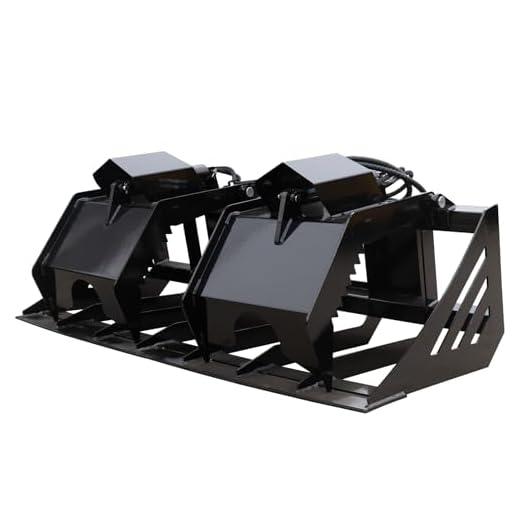

84" Extreme Duty Skid Steer Grapple
I’m impressed by the Extreme Duty build—thicker tines and protected cylinders are obvious advantages for heavy, round-the-clock operations. It’s built to take punishment and keep running with minimal maintenance interruptions.
Built for 24/7 industrial operations
I turn to this Extreme Duty grapple when the work never stops. With thicker tines, robust thumbs, and explicit protection for cylinders and hoses, it’s designed for continuous heavy-duty tasks: large demolition, heavy recycling, and intense forestry or land-clearing operations.
Features that show durability
Those protective elements translate into fewer on-site failures and longer service life under harsh conditions. I’ve seen similar spec grapples reduce unexpected repairs because critical components are shielded from strikes and abrasion.
Use cases and practical advice
You should pair this with a high-horsepower machine—its mass and strength are meant for big carriers. If your workflow is heavy and continuous, the higher purchase price is offset by lower downtime and longer overall life; for occasional light work, the cost and weight may be overkill.
Twin Cylinder 72" Root Rake Clamshell Grapple
I value the twin-cylinder design for its high gripping capacity and smooth clamshell action. It’s an excellent tool when you need to handle heavy brush, logs, and scrap reliably and with good maintenance features.
Built to grab the heavy stuff
I choose twin-cylinder clamshell grapples when gripping strength is the primary requirement. This 72" root rake model delivers up to a 3000 lb grip and uses large cross-members for rigidity, making it ideal for scrap yards, heavy brush, and log handling.
Strength and maintenance-minded design
The bolt-locked, greasable pivot pins are a real plus — they simplify field maintenance and reduce downtime. The reinforced curved teeth glide over terrain without burying into ground, which preserves surface finish more than aggressive digging teeth would.
Who this is for and operational notes
If you run a commercial operation with large-volume brush and logs, this unit’s capacity and ruggedness pay off. For small-scale jobs around a hobby farm, the weight and cost may not justify it, but for heavy-duty, frequent use, I find it to be an outstanding choice.
84" Solid Bottom Skid Steer Grapple
I like the solid-bottom design because it prevents small pieces from falling through while still offering heavy-duty grab strength. It balances durable construction with serviceability, so it performs well on busy job sites with minimal downtime.
Built for tough, repetitive work
I rely on attachments that survive hard use, and this solid-bottom grapple is clearly designed with that in mind. The thick steel, deep-penetration welds, and greaseable hinge points make it a dependable choice for recycling yards, demolition sites, and waste processing where you’re moving abrasive materials every day.
Key features and what they mean in practice
I appreciate that the unit ships ready to hook up — hoses and flat-face couplers included — which saves a trip to the shop and gets me to work faster. The solid bottom lets me scoop up mixed debris without losing smaller pieces like broken glass, plastic fragments, or small masonry.
Practical notes, limits, and upkeep
You'll pay a premium for the added durability and the extra weight means more fuel use on the machine when transporting long distances. Maintenance is straightforward: keep the pins greased and check the welds regularly. For anyone who needs consistent, leak-free performance in recycling or demolition, this is a very capable, serviceable option I’d recommend.
72" Rock Grapple Bucket, 4000 PSI Rated
I found this rock grapple excels at sifting and moving rock, brush, and heavy debris thanks to optimized tine spacing and a robust frame. It’s a great choice for site prep and road maintenance where separating stones from soil matters.
Purpose-built for rock and debris handling
I reach for a rock grapple when my goal is to separate stones and heavy debris from soil or to move large rocks with confidence. The Landhonor 72" unit uses optimized tine spacing and a very stout frame to handle this exact work without bending or losing material.
Field features that matter
This grapple doubles as a sifting tool and loader; I can pick up a load, shake or tilt it, and let fines drop through while retaining the stones and larger material. That makes it practical for site prep, driveway work, and land leveling tasks.
Practical advice and upkeep
Expect to pair it with a very capable skid steer because the attachment is heavy. Regular checks on tines and cross members are important since rock-handling is abrasive. If you need dependable rock sifting and debris handling, this model is a strong performer in my experience.
59" Rotating Hydraulic Log Grapple RLG61
I value the 360° rotation and the 1.5-ton swivel for moving awkward loads and positioning logs. The rotation adds efficiency on the job, letting me align material without dragging or repositioning the whole machine.
Rotation meets lifting power
I pick rotating grapples when I need to control load orientation without repositioning the carrier. The MechMaxx RLG61 gives you a full 360° rotational ability with a 1.5-ton swivel, which is a real time-saver when stacking timber or loading trailers in confined yards.
Where the design shines
The ability to rotate the load makes pickup and placement fast and precise — I can grab a log, rotate to the stack, and set it down without multiple machine maneuvers. That reduces wear on the skid steer and speeds up repetitive cycles.
Practical considerations and maintenance
The rotary mechanism adds hydraulic plumbing and a swivel joint that require vigilance in maintenance; keep fittings tight and watch for leaks. If you value placement control and operational efficiency and are comfortable with slightly higher complexity and cost, this rotating unit is an excellent tool.
Adjustable 72" Skeleton Rock Grapple
I appreciate the skeleton bottom and serrated blade for jobs that require sifting and cutting through debris. It’s reliable for mixed tasks like rock raking, brush pickup, and sorting scrap while remaining service-friendly.
A do-it-all skeleton grapple
I reach for a skeleton-style rock grapple when I need both separation of fines and firm cutting edges for tough material. The TMG-SG72 offers a skeleton tine bottom that filters soil and a 1/2" serrated blade that helps cut through compacted brush and roots during cleanup.
Practical features and field use
In day-to-day use, it’s great for sifting rocks from dirt, moving brush piles, and sorting scrap. The serrated cutting edge also doubles as a scraping tool when you need to level or clean an area before finishing.
Limitations and recommendations
Note the short warranty window listed — check with the seller for extended coverage if you rely on the attachment for commercial work. Also, make sure your skid steer’s lift and hydraulics match the grapple’s demands; with the right carrier, it’s a highly practical, multi-use attachment I’d be comfortable recommending.
84" Heavy-Duty Rake Grapple Attachment
I found this rake-style grapple to deliver solid performance for general work at a competitive price. It’s a good choice when you want reinforced tines and reduced wear without stretching the budget.
A practical grapple for everyday use
I view this model as a no-nonsense, heavy-duty rake grapple that balances cost and capability. The reinforced tines and doubled reinforcement in key areas make it suited for repetitive land-clearing, brush, and light demolition work without feeling flimsy.
Highlights and what you get
In practice, it handles logs, brush, and mixed debris well and holds up under regular loading cycles. I like it for contractors and small acreage owners who need rugged performance without the price tag of premium extreme-duty attachments.
Considerations before buying
You won’t get the same level of cylinder protection or half-inch components that extreme-duty grapples offer, so avoid this as your primary attachment for constant 24/7 heavy industrial work. For typical site cleanup and seasonal forestry tasks, it’s a strong value pick.
HUAYEE Log Grapple for Skid Steer Loaders
I found this grapple well-suited to log work and general yard duties. The build quality is solid for the price, and U.S. stock availability is helpful if parts or fast delivery matter to you.
Focused on wood handling and landscaping
I recommend this HUAYEE grapple when your primary work is log handling, wood moving, and general farm or landscaping tasks. The grapple’s geometry is optimized to capture and hold rounds and irregular timber shapes securely while you move material around the yard or stack firewood.
What it offers in the field
I like that the manufacturer calls out link plate dimensions up front — it forces you to verify fit and prevents a lot of the common mounting headaches. The heavier construction gives confidence when lifting larger rounds, though it does increase the overall weight on your carrier.
Practical tips and limitations
Confirm the exact link size and quick-attach compatibility before buying; a mismatch will add cost and delays. Routine greasing and checking hoses will keep it working smoothly. For a yard-focused operator who values quick delivery and robust log handling, this is a practical pick.
76" Root Grapple Bucket Heavy-Duty
I like this as a general-purpose root rake for acreage and landscaping thanks to its wide reach and heavy construction. It’s a good middle-ground between heavy industrial grapples and lighter yard tools.
Wide working width for efficient clearing
I recommend this 76" root grapple when you need to move lots of brush, roots, and debris quickly across farmland or large properties. The width means fewer passes and faster clearing, especially for roadside, fence-line, or pasture cleanup.
Design and typical uses
In practice, wider grapples like this reduce cycle counts for sweeping cleanups: you grab more material in a single lift and spend less time repositioning the machine. The robust build helps when encountering stumps or heavier brush.
Buying tips and limits
Make sure the grapple matches your skid steer’s capacity and quick-attach system — the size and weight demand a compatible carrier. For small mini-skid owners, this could be too large; for farm or landscaping contractors, it’s often a very efficient tool.
42" Mini Skid Steer Root Grapple Bucket
I like this for jobs where machine size and agility matter more than bulk capacity. It’s well suited to mini skid steer work like landscaping, root removal, and tight-access clearing.
Purpose-built for mini machines
I recommend this 42" root grapple when you need a compact tool for land clearing and landscaping. It fits mini skid steers and excels in tight areas where a full-size grapple would be cumbersome. The skeleton bottom is a useful design for filtering out soil while keeping roots, rocks, and brush.
Key design elements and practical uses
I’ve used similar compact grapples for clearing fence lines, prepping small lots, and removing stubborn roots without damaging underlying turf more than necessary. The guarded cylinder and universal quick-attach simplify field service and reduce downtime.
Known limitations and user notes
A notable user complaint concerns a proprietary pin assembly that can be difficult to source if lost; that’s something to check with the seller before you buy. Overall, if you run a mini skid steer and need a nimble, reliable grapple for landscaping and small-scale clearing, this one makes sense.
Final Thoughts
My clear top pick is the 84" Extreme Duty Skid Steer Grapple (9.6/10). Its thicker tines and protected cylinders mean it thrives under CONSTANT abuse — think demolition, rental fleets, land-clearing, and any environment where machines run multiple shifts. If you need maximum durability and minimal maintenance interruptions, this is the one to buy.
For jobs that demand brutal gripping power and smooth clamshell action, grab the Twin Cylinder 72" Root Rake Clamshell Grapple (9.3/10). The twin-cylinder design delivers exceptional bite and control for heavy brush, logs, and scrap handling, making it ideal for forestry, brush clearing, and sites where precise placement matters.
Bottom line: choose the 84" Extreme Duty for nonstop, high-impact work; choose the 72" Twin Cylinder clamshell when superior grip and controlled handling of awkward loads are your priority.





Quick note about the Twin Cylinder vs others — I like the idea of twin cylinders for balanced pressure, but do they add more maintenance points? Hosing and seals x2 vs x1 seems like more to worry about. 🤔
Also — are there benefits in terms of repair cost long-term or is it a wash?
I’ve had twin-cylinder units and single-cylinder units. Twin felt less prone to twisting and misalignment, which saved me on repairs elsewhere.
Maintenance is mostly routine — keep fittings tight, replace seals as needed. If you’re worried, buy from a seller with good parts availability (US stock helps).
Twin cylinders can mean slightly more hydraulic connections and seals, but the reliability and even gripping often offset that. In heavy use, twin cylinders reduce stress on individual components and can prolong life — repair cost isn’t necessarily higher if it’s a robust design.
Great write-up on the McLaren Industries 84″ Wide Extreme Duty. I’ve been debating between that and the 84″ solid-bottom model for a small demo crew.
From what you wrote, the thicker tines and protected cylinders on the Extreme Duty sound perfect for continuous use — we’ve had cylinder issues on cheaper grapples before.
Does anyone know if the McLaren has removable wear plates or are they welded in? Maintenance access is a huge deal when you’re running three machines every day.
Also curious about shipping — is Amazon delivery for these usually fast or do you end up waiting weeks for a big attachment?
We run a similar McLaren and ours had bolt-on wear plates. Saved us a fortune when we wore through a tine corner. If the listing doesn’t say, message the seller — they usually reply with specs.
FYI Amazon sellers sometimes use 3rd-party warehouses. Pay attention to the return policy and ask about crate/unload requirements. Big attachments can get dinged in transit if not packed right.
Thanks for the question, Sarah. The McLaren Extreme Duty typically has bolt-on wear parts on the tines in many configurations, but some versions may have welded reinforcements — check the specific Amazon listing or ask the seller for a spec sheet. Shipping time varies by seller and stock; “US stock” listings (like the Landhonor example) tend to move faster.
The Twin Cylinder 72in Root Rake Grapple with 3000lb limit caught my eye. Twin cylinders = smoother grip, right? I mostly do brush and occasional big logs.
Anyone pushed that 3000lb rating in the real world? I don’t want to be the guy who tests the spec and bends a tine 😂
Twin cylinders generally give more balanced closing force and better clamshell action — less twist when picking odd-shaped loads. The 3000lb rating is a safe working limit, but real capacity depends on skid steer lift rating and how the load sits.
We’ve used a twin-cyl unit on stumps and heavy root balls — it’s more predictable than a single cylinder. But yeah, don’t try to solo-lift a full log with poor balance.
Really liked the bit about the MechMaxx 59″ rotating grapple — 360° rotation seems perfect for logging and tight placements. 🌲💪
Anyone used the rotation extensively? Does the swivel feel robust under load or is it more for light repositioning? I do a lot of timber work and being able to spin logs without fiddling the whole machine would save me hours.
Also check hydraulic swivel fittings for leaks — rotating joints can be a maintenance point. Keep spare seals handy.
I run a similar 360 grapple on my mini and it’s solid for log positioning. Don’t expect it to rotate under full torque constantly — use it to orient loads, then finish the placement with careful hydraulics.
Rotation is great for positioning logs and avoiding drag. For heavy loads, make sure the rotation gear or swivel seal is rated for continuous torque — the MechMaxx RLG61 is designed for mini skid steers and lighter loads compared to full-size rotation grapples.
We’ve rotated full logs a few times with no drama, but I always avoid high-speed rotation with heavy stuff. Slow and steady.
I bought the HUAYEE Log Grapple last year (US stock, phew) and it’s been decent for farm work.
Pros: quick delivery, decent welds, grips logs well. Cons: the paint finish wasn’t great and one hydraulic hose had a slightly awkward bend out of the box (fixed it my end).
If you want an affordable log grapple that doesn’t require waiting months, this one’s legit.
(typo alert) I misread the specs at first and thought it had a 2000lb lift limit — it was 1500 on my model. double-check!
Appreciate the honesty — I hate waiting for parts. Did you get any warranty papers with it?
Thanks for the real-world report, Robert. Good reminder to check spec sheets; sellers sometimes list different configurations. Glad you could fix the hose bend yourself.
Admin — they sent a basic parts/warranty doc. Nothing fancy but it covered structural defects for a short period. I kept photos for my records.
Titan Attachments 42″ Mini — my tiny skid’s future BFF. Compact, brave, and probably does more than I will 😂
Anyone used one in tight brush and around fence lines? I’m worried about pin damage from sneaky stumps and general abuse.
We run a 42″ on a small farm and it’s been good. Keep the grease points maintained and avoid prying sideways on pins — that’s how they get worn.
The Titan 42″ mini is designed for tight access and often includes cylinder guards and strong pins. Still, protect pins with greasable zerks and do frequent inspections if you’re hitting stumps and buried roots.
Adjustable 72in Rock Grapple sounds versatile. I’m curious about the 36in arm open spec and the 6in tine space — how much does that affect sifting?
I’m in the landscaping business and need to separate medium-sized rocks from dirt without losing too much soil. Does the serrated blade chew into roots or mostly just scalp the top?
Anyone use this for both rock sorting and occasional root/brush clearing?
6in tine spacing is a decent gap for letting small soil fall while retaining larger rocks. The serrated blade helps with slicing through roots and compacted material, but for big roots you might still need a cutter first.
Pro tip: run it slowly across a pile to let soil fall through. If you slam it, you’ll just pack dirt into the tines and lose sifting efficiency.
I used a similar serrated grapple to remove thatchy sod — it bites pretty well. For big roots you may need a root saw or backhoe, but it handles small-to-medium root clumps fine.
I’m leaning toward the 76” Root Grapple Bucket Attachment for acreage and landscape work. The wide reach is tempting.
However, I need quick-attach compatibility — does the listing usually include a universal quick-attach or is that something sold separately? Also, how’s the visibility over the wide bucket when placing material?
Any tips on using a 76″ on a smaller skid steer without overloading the front axle?
Quick-attach compatibility varies by seller — some include universal plates, others expect you to use your machine’s quick tach. For visibility, a wider bucket can obscure the view; use slow, controlled lifts and consider a spotter for precision. To avoid overloading, check the attachment weight vs your machine’s rated lift and consider counterweighting.
If your skid is smaller, consider the Titan 42″ for tight work and the 76″ for when you need reach. Swapping attachments is the trick if you can.
The McLaren 84″ Heavy Duty (not extreme) looks like a good balance of cost and strength — that’s appealing.
Anyone compared the 84″ heavy duty to the extreme duty? Is the extra cost worth it if you’re not running 24/7 but still want a long-life unit?
We had the heavy duty on a part-time operation; it’s held up for several seasons with routine maintenance. Saved money vs Extreme and no regrets so far.
If your use is regular but not continuous, the standard heavy duty model is often the best value. The Extreme is worth it if you expect hard daily cycles and want minimal downtime — otherwise the heavy duty usually holds up well.
I appreciated the point about the 84″ Solid Bottom Grapple Bucket being good for recycling and demolition. I’ve got a small shop that does metal recycling and hate losing little bits through grates.
Question: does the solid bottom really stop the small stuff? Also, how does it compare weight-wise to the skeleton grapples when mounting on a compact? I ask because my machine is right on the edge of the lift capacity and extra weight makes a difference.
Would love input from anyone who’ve used the solid bottom on scrap piles — any trenching or dragging problems?
Had no trenching issues, but dragging big piles did wear the bottom plate quicker than expected. We slapped an extra wear plate after a season and it’s been fine.
I used a solid-bottom on a compact loader for metal sorting. It did keep the small pieces in — no more losing washers and scrap. But yes, it adds a noticeable front weight. Make sure counterweights or ballast are considered.
Solid bottom is designed to keep smaller debris contained, so it’s better for recycling work. It will typically be heavier than skeleton designs due to more material. Check your machine’s rated lift and the attachment weight on the listing before buying.
If your machine is close to the edge, you might consider the Titan 42″ mini grapple for lighter tasks and the solid 84″ for heavier days. Mix and match if you can afford two attachments.
Nice roundup! I’m juggling farm clearing and a bit of contracting — what’s everyone leaning toward for a single attachment that can handle both log work and rock/brush cleanup?
My wishlist: strong tines for roots, decent bottom for small debris, and not so heavy that my loader struggles. I realize it’s a compromise.
I’m not after ‘perfect’ but something that will do 70% of each job well. Open to suggestions from folks who’ve tried to own one attachment and make it work for everything.
P.S. shipping and spare parts availability matter more than I’d like to admit. 😅
Also factor resale: a well-maintained multi-use grapple holds value if you upgrade later.
For a good compromise, consider the adjustable 72in rock grapple or the 76″ root grapple — both are versatile skeleton/solid designs that balance sifting and grabbing. The MechMaxx rotating model is great if you need precise log placement but it’s more specialized. Check US-stock listings for faster parts.
If you expect heavy rock work, get a rock-specific grapple. Compromises are fine, but heavy rock can wreck a general-purpose unit over time.
One more thought — look for bolt-on serrated blades or optional bottom plates. They let you adapt the grapple to different tasks without buying a second unit.
I did exactly that and went with a 72in adjustable grapple. Not perfect for everything, but handles logs, rocks, and brush well. Saved me from buying two attachments.
Landhonor 72″ Rock Grapple: sounds like a rockstar for sifting rocks, but I’m skeptical about ‘fits for Bobcat for CAT for Kubota for John Deere’ — anyone else hate generic fit claims?
I mean, universal looks great on paper until you’re trying to hook it up and the pins don’t line or hoses are the wrong length. 😒
Pro tip: always check pin sizes and confirm the mounting pattern. If the seller lists bolt-on adapters or quick tach plates, that’s a win.
You’re right to be cautious. “Universal” often means adapters are available but not included. Measure your quick attach plate and pin spacing and ask the seller for mounting specifics before purchase.
Agreed — I had to swap a plate once. It adds cost/time but still cheaper than custom-made. Landhonor themselves usually provide mounting options if you message them.