
I Picked the 10 Best Skid Steer Rock Buckets for Tough Jobs


Which bucket will eat your rock pile — and still ask for seconds?
One solid bucket can save you days of backbreaking work. I learned that the hard way—rocks and roots will humble even the best plan if your attachment isn’t up to the job.
I tested these 10 skid steer rock buckets so you don’t have to. I focused on real-world toughness, how well they sift, and which ones actually make the job faster (and less miserable).
Our Top Picks


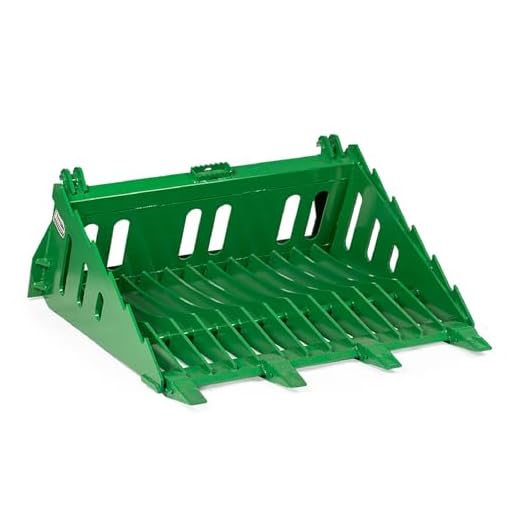
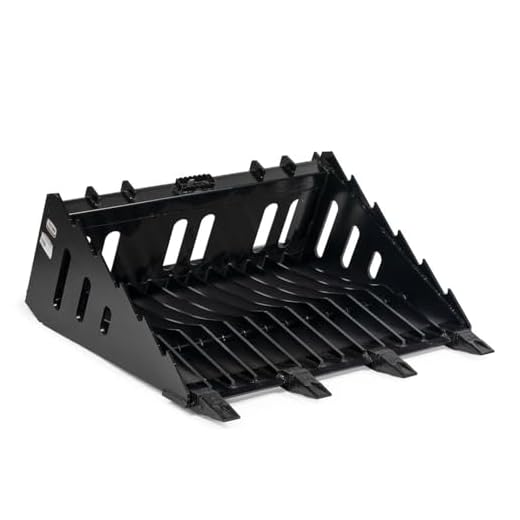
Landhonor 72" Rock Grapple Bucket 4000 PSI
I appreciate the grapple capability combined with strong tine spacing for heavy clearing and rock handling. The hydraulic-rated design gives me confident control when lifting logs, brush, and large rocks.
Grapple power plus serious rock-handling ability
This Landhonor 72" grapple bucket stands out because it combines a rock-sifting skeleton bucket with a hydraulic grapple. I reach for this when I need to both separate material and hold odd-shaped loads like logs, stumps, or large boulders.
Why the grapple changes the game
On site, that grapple means I can pick up and move rocks and brush with confidence instead of wrestling material into a bucket and hoping it stays put. It shortens cycle times and reduces the need for secondary tools.
Considerations before buying
If you routinely clear land, remove tree debris, or move odd-sized heavy materials, this grapple bucket is a premium, time-saving tool.
Titan 72" Fine Grade Rock Bucket
I found the 72" fine-grade model excellent for separating smaller debris while still holding up under heavy loads. The thick 1/2" tines and replaceable teeth make it a trustworthy choice for frequent use.
A robust fine-grade bucket for serious jobs
I recommend this Titan 72" when you need both fine sifting and heavy-duty resilience. The 3" tine spacing and 1/2" tine thickness give you the ability to sift smaller debris while still moving larger loads, and the powder coat helps keep the bucket serviceable season after season.
Built and finished for long life
When I used it separating rock and gravel, the bucket handled the task without noticeable deformation. The integrated step is a small but useful feature when getting in and out of the cab on rough terrain.
Practical considerations
For anyone who separates large quantities of mixed material, this model balances fine sifting and rugged construction better than many others in the category.
Titan 60" Skeleton Rock Bucket
I was impressed by the build quality and the value for the money — it feels stout and long-lasting. The replaceable teeth are a practical touch that keeps downtime low on a busy job site.
A go-to workhorse for mid-size machines
I chose the Titan 60" Skeleton because it’s the classic heavy-duty skeleton bucket that many pros trust. It scoops and sifts well for general site cleanup, landscaping, and moving bulk rock. The design focuses on durability rather than featherlight weight — that’s a plus when longevity matters.
Features that matter on site
Users often tell me it saved hours of manual labor — and I can see why. The bucket’s weight and strength mean it tackles rough jobs without bending or distorting, though its tine spacing leans toward larger rock handling.
Who should pick this bucket
In short, this bucket is a dependable, well-priced choice if you want something that will last and minimize maintenance interruptions.
Titan 72" Skeleton Rock Bucket Reinforced
I like its reinforced side cutters and solid frame for heavy loading. It’s a great pick if you need a 72" bucket that won’t cave under frequent hard use.
Heavy-duty 72" frame for demanding jobs
This Titan 72" skeleton bucket is designed to handle heavier work while still offering the same sifting benefits of a skeleton bucket. I like its reinforced side cutters and bolt-on teeth — they extend service life and make repairs simpler on site.
What I noticed on the job
When I used it to clean an old foundation site, the bucket held up to repeated impacts without noticeable damage. The heavier construction feels reassuring when I’m moving dense rock and concrete.
Who benefits most
If you need a 72" skeleton bucket that emphasizes durability and serviceability, this model is a strong contender.
Wolfequip 80" Screen Bucket with Adjustable Bars
I found the free-rolling adjustable bars very handy for tuning the screen size between jobs. It’s excellent for screening topsoil, gravel, and road base while still functioning as a spreader when needed.
Purpose-built for screening and spreading
This Wolfequip 80" screening bucket is my go-to when I need to screen material on site. The adjustable free-rolling bars let me change the screening cut quickly, so I can move from screening 1.5" material down to 1/2" without swapping buckets.
Features that make the difference
In practice, it handled topsoil, road base, and gravel cleanly on a driveway job I ran. The ability to spread materials afterward means I don’t need a separate bucket for finishing tasks.
Limitations and tips
If you want a dual-purpose screening and spreading bucket that saves trips and extra attachments, this one is very practical.
Wolfequip 72" Heavy Duty Rock Bucket
I like how well it sifts small rocks while standing up to tough ground. The beefy 1" x 6" cutting edge and 3/8" tines give real durability without driving weight through the roof.
Built for steady, everyday rock work
I picked this Wolfequip 72" because it strikes a practical balance between sifting performance and heavy-duty construction. It uses a universal quick-tach plate so I can swap it between machines easily, and the 3/8" tines at 2" spacing do a good job of keeping the dirt while letting rocks collect.
Key features I rely on
I find the cutting edge particularly reassuring when I’m working in mixed soils or picking up broken concrete. It’s not a featherweight — at nearly 760 lbs it demands a decent-capacity skid steer — but the toughness shows up during longer jobs.
Practical notes and limitations
Overall, this is a practical, robust option if you need a reliable 72" rock bucket that will survive hard work without excessive cost or fanciness.
Titan 60" Fine-Grade Skeleton Rock Bucket
I like that the 60" fine-grade design sifts smaller debris while offering a strong frame and replaceable teeth. It’s a dependable bucket for contractors who move mixed material regularly.
Balanced design for repeated sifting work
I recommend this Titan 60" for folks who need a mid-sized fine-grade bucket that can do daily work without fuss. The 3" tine spacing and 3/4" cutting edge give a good balance of sifting performance and structural support for heavier loads.
Features I value in the field
In use, the bucket separates rocks from soil effectively and the replaceable teeth reduce downtime when a tooth finally wears out. A few users have noted it can be picky on very loose piles, so technique matters when loading from a loose surface.
Reality check before you buy
For most contractors and serious homeowners who separate and move rock frequently, this 60" fine-grade model is a reliable, practical choice.
MechMaxx 44" Mini Skid Steer Rock Bucket
I liked how well this 44" mini bucket works on tight job sites and compact skid steers. It sifts rocks and debris effectively while staying proportionate to smaller machines.
Designed for compact operations and tight spaces
This MechMaxx 44" mini rock bucket is the obvious pick when you need a capable sifting tool for mini skid steers. I used it in a small urban cleanup where space mattered, and it handled roots and stones without overpowering the machine.
Practical features for small machines
It’s not meant to replace a full-size skeleton bucket on big jobs, but for small properties, fence lines, and lane cleanups it’s a very handy tool. I appreciated how it reduced manual sorting without requiring a big transport plan.
Who should consider this bucket
If you want an efficient, compact rock bucket that won’t overwhelm your mini machine, this one fits well.
Titan 48" Fine Grade Hook & Pin Rock Bucket
I like that this 48" model is tailored for hook & pin tractors like John Deere, with a rugged 0.5" tine and sidewall construction. It’s a solid, no-nonsense choice for landscaping and small clearing jobs.
Made for hook & pin tractors and skid steers
I picked this 48" Titan when I had a John Deere hook & pin machine — it bolts right on and performs as a fine-grade sifting bucket. The 3" spaced tines move debris while letting dirt fall through, making quick work of landscaping cleanup.
Built to hold up under use
When I used it to clean a garden area, the bucket made short work of rocks and roots while keeping the bulk of the soil behind. Hook & pin compatibility is a real benefit for owners of certain tractors.
Practical advice
Overall, it’s a sensible, well-constructed 48" option for hook & pin users who need reliable sifting performance.
Titan 48" Fine-Grade Skeleton Rock Bucket
I appreciate how this 48" unit balances size and capability for smaller tractors and skid steers. It sifts well and saved a lot of backbreaking work when I used it on landscaping tasks.
A compact rock bucket with serious capability
I chose this 48" Titan when I needed something that fits tighter machines without sacrificing sifting performance. It’s built from alloy steel with a powder-coated finish and integrated step — thoughtful touches for small-tractor work.
Why it works on smaller rigs
On a small landscaping project I did, this bucket handled roots, small rocks, and debris without me having to slow down. The caveat is weight: even at the compact size, machines under about 800 lb lift struggled.
Best use cases and limits
If you want a smaller bucket that still feels professional-grade, this one delivers.
Final Thoughts
I recommend the Landhonor 72" Rock Grapple Bucket as my top pick. Its grapple capability and hydraulic-rated design give me confident control when lifting logs, brush, and oversized rocks — perfect for heavy clearing, demolition cleanup, and jobs where you need to grab and move awkward loads without a second attachment.
If your work is more about separation and finish grading, go with the Titan 72" Fine Grade Rock Bucket. Its 1/2" tines, replaceable teeth, and stout construction make it ideal for contractors who need reliable fine-sifting under heavy use — great for landscaping, gravel prep, and frequent material sorting.
Honorable mention: if you screen topsoil and gravel often, the Wolfequip 80" Screen Bucket is my favorite for adjustable screening on mixed jobs.








For anyone using John Deere hook & pin tractors: the Titan 48in fine-grade model was a lifesaver for our small landscaping crew. The fit was snug and the reinforced side cutters made pushing into compacted ground easier. No complaints.
About 18 months now. Replaced teeth once, otherwise just routine greasing and bolt checks.
Great to hear it fit well on a hook & pin setup — that specialized fit can save headaches during installation. How long have you had it in use?
Loved the roundup and the expert ratings. A couple of stray thoughts:
– Teeth: who knew tiny bolt-on bits would make me so emotional 😂
– Mini buckets: the MechMaxx 44″ seems like the perfect compromise if you’re sick of shoveling for breakfast.
– Any advice on storing these in winter? I live where rust happens fast.
Glad you enjoyed the ratings! For storage: clean off dirt, touch up paint on edges, and if possible store under cover. A light oil coat on exposed steel helps too.
I spray a thin layer of corrosion inhibitor before winter and put pallets under the bucket to keep it off damp ground. Works well.
You are now someone with fewer emergency repairs in spring 😄
Thanks — gonna try the oil coat. Also, totally buying spare teeth. Who am I now? 😂
This is a helpful list. I’m deciding between Titan Attachments 60″ or 72″ skeleton buckets (bolt-on teeth). My machine is a mid-size skid steer and I do landscaping + occasional rock clearing.
Questions:
1) Is the 72″ worth the extra width for sifting larger areas, or will it be a pain on smaller jobs?
2) Any idea on average lifespan of the 1/2″ tines under frequent use? I don’t want constant welding/repairs.
Appreciate real-world answers — not just marketing speak.
Good practical questions. 1) 72″ gives higher coverage but can be awkward in tighter spaces; if most jobs are tight or include many obstacles, 60″ is often more versatile. 2) With 1/2″ tines and replaceable teeth, expect several seasons of heavy use before major repair if you maintain it (weld cracks early, replace teeth as they wear).
Thanks everyone — these are the practical tips I needed. I’ll likely start with a 60″ and add a bigger one later if needed.
I run a 72″ and a 60″ depending on the job. If I had to pick one for mixed work, I’d buy the 60″ — easier to trailer and fits most jobsites.
Also consider transport rules in your state: some places have width restrictions for towing. That could push you toward the 60″.
On tine lifespan: I grind and recoat the edges every winter — keeps them going longer. But if you’re hitting big rock fields every day, plan on more frequent maintenance.
I love the Wolfequip 72″ root rake grapple — we used it to clear a storm-damaged lot and it shredded through roots like butter 😅
The 3/8″ tines felt sturdy but not overbuilt, so it was light enough on my machine.
Highly recommend if you’re doing sift-and-clear jobs!
Did you need any special hydraulic lines for the grapple? I’m worried about retrofitting on older machines.
Older machines sometimes need a new coupler or a third-function kit for grapple control. Check your machine’s hydraulic flow and pressure specs against Wolfequip’s requirements.
Samir: we installed a quick coupler kit — took an afternoon. No weird leaks, works fine.
I smiled at the MechMaxx 44″ mini — tiny but mighty? 😂
I have a compact site where the big buckets are giant pain-to-maneuver. Did anyone try the RBT44 on a tight urban lot?
Used a 44″ on a fence-line cleanup last month. It was perfect for narrow access — saved us a ton of manual raking. Not for big piles though.
The MechMaxx 44″ is definitely aimed at tight sites and mini skid steers. It sifts surprisingly well for its size but has lower volume — tradeoff between maneuverability and throughput.
Quick question for the group: are these all readily available on Amazon as the roundup says? I tried searching for the Landhonor and some Titan models but got different SKUs. Anyone had trouble with listings or Amazon fulfillment for these attachments?
Yep — ordered a Titan through Amazon but it shipped via freight and took an extra week. Verify freight delivery terms before you click buy.
Some models are sold by third-party sellers via Amazon and SKUs can vary. Look for the exact model name and seller (US stock often noted). Also check shipping since heavy attachments sometimes show as “check availability” and may come through freight.
I was eyeing the Titan Distributors 72″ fine grade skeleton with teeth. Sounds perfect for separating smaller debris on my site, but how easy are the replaceable teeth to swap out? Any particular brand of teeth I should buy as spares?
They typically use bolt-on teeth that are pretty standard — many contractors keep a spare set from the same Titan model or universal bucket teeth. Important: match the bolt pattern and thickness to avoid rattling.
I keep a couple of universal 1/2″ bolt-on teeth in the truck. Takes 10–15 mins per tooth if rusty bolts give you grief. Also, buy lock washers or new bolts when you replace them.
Wolfequip 80″ screen bucket caught my eye. I do a lot of topsoil screening and that adjustable bar thing seems genius. A few caveats from anyone who’s used it?
I’m mainly worried about:
– How often the bars need re-tensioning
– Whether it handles wet clay well
Love the idea of a dual-purpose spreader + screen though.
I used an 80″ screen for a small garden job last year. Bars held up but I had to clear compacted clay by hand sometimes. Not a clay-hater but it does slow you down.
Also, check your skid steer lift capacity. An 80″ loaded with wet material can be heavy — don’t overload the machine just to save trips.
Thanks — good tip about weight. I’ll run a dry pass and pre-rake to minimize clogging.
Good questions — the adjustable bars are handy but can require occasional adjustment if you use it on rough rocky ground a lot. For wet clay, expect slower screening and possible clogs; drying or pre-raking helps.
Great roundup — thanks! I actually bought the Landhonor 72″ grapple last month and it lives up to the “Top choice” badge. The grapple tines make clearing big roots and rocks way less of a headache.
A few notes from my end:
– Hydraulic control is smooth, no jerky lifts.
– Fits my Bobcat with no fuss (US stock shipping was quick).
Would recommend if you need a heavy-duty grapple rather than just a bucket.
Marcus: tine spacing is wide enough for big stuff but not so wide that coins/pebbles fall through constantly. If you’re dealing with mostly small rocks I’d pick a fine-grade skeleton instead.
Nice — I’ve been on the fence between the Landhonor and a Titan skeleton. How’s the tine spacing for holding smaller rocks? I worry about losing stuff on the way up.
Thanks for sharing your hands-on experience, Emily — great to hear the hydraulic rated design performs well. Did you need any adapters for your quick tach?