If you’re looking to tackle heavy snow this winter, using a snow blower for skid steer loaders can make a big difference. This expert guide will help you understand how to choose, set up, and operate these powerful machines effectively. Whether you’re a beginner or someone with experience, you’ll find valuable tips and techniques to make snow removal easier and safer.
Key Takeaways
- Choose the right snow blower that matches your skid steer for best performance.
- Always attach and calibrate your equipment before starting to ensure safe operation.
- Master speed control and handling techniques for different types of snow.
- Regular maintenance is key to keeping your snow blower in top shape throughout the winter.
- Follow safety guidelines to prevent accidents while using your snow blower.
Choosing the Right Snow Blower for Your Skid Steer
Understanding Compatibility
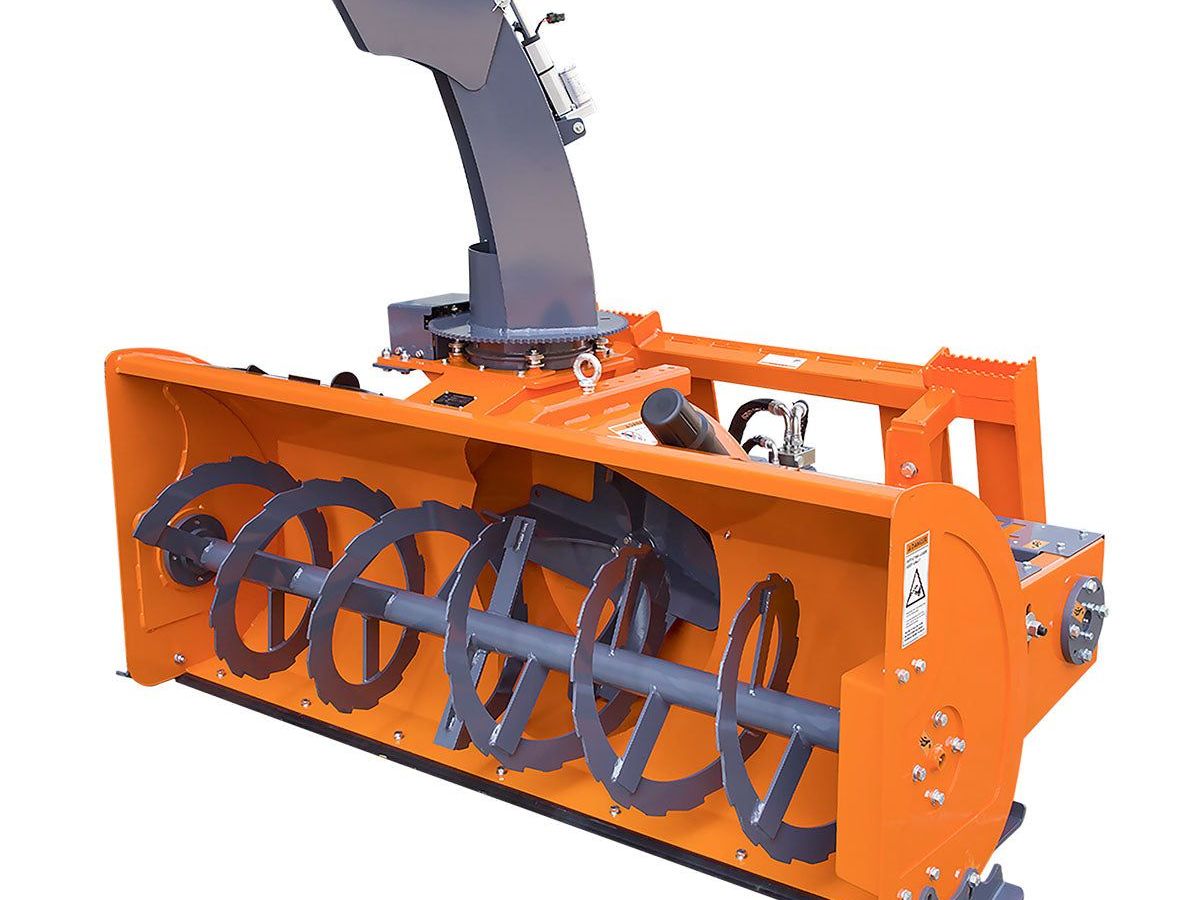
Picking the right snow blower on skid steer is like finding the perfect puzzle piece. It has to fit just right. Make sure your skid steer matches the blower’s weight and hydraulic requirements. Check your skid steer’s manual for compatibility details.
Key Features to Look For
When you’re on the hunt for a hydraulic snow blower for skid steer, focus on features like adjustable skid shoes and chute rotation. These make handling snow a breeze. Look for models with durable augers, as they chew through snow like a champ.
Budget Considerations
Let’s be real, skid steer snow blower prices can vary a lot. Set a budget before you start shopping. Remember, sometimes spending a bit more upfront saves you money on repairs later. Prioritize what features you need most and see what fits within your budget.
Getting the right skid steer snow blower attachment for sale isn’t just about the specs; it’s about knowing what you need and sticking to it. Don’t get swayed by fancy extras you might not use.
Setting Up Your Skid Steer Snow Blower
Attaching the Snow Blower
Alright, first things first, you gotta get that skid steer snow blower attachment hooked up. It’s not rocket science, but it takes a bit of muscle and patience. Line up the skid steer mount snow blower with your loader and lock it in place. Double-check everything’s secure before you fire it up.
Adjusting the Skid Shoes
Next up, let’s talk about those skid shoes. Adjust them so your skid steer blower attachment glides smoothly over the ground. Too high, and you’re leaving snow behind. Too low, and you’re scraping the pavement. Find that sweet spot!
Calibrating the Hydraulic System
Now, on to the hydraulic system. You need to make sure your skid steer with blower is calibrated just right. Check the pressure and flow rate – your snow blower skid will thank you. If it’s off, you might not get the power you need, and nobody wants that in the middle of a snowstorm.
Getting your skid steer blower ready isn’t just about slapping it on and going. Take the time to set it up right, and you’ll save yourself a ton of headaches later.
Mastering Snow Blower Operation Techniques
Speed Control Tips
Alright, let’s talk speed. You can’t just zoom through snow like you’re in a race. Going too fast can mess things up big time. You gotta find that sweet spot where your skid steer snow blower works best. If you go too slow, you’re wasting time, and too fast, well, you’re just asking for trouble.
Handling Different Snow Types
Snow ain’t just snow. You’ve got fluffy stuff, wet slush, and that annoying hard-packed junk. Each type needs a different approach. For fluffy snow, keep it steady. Wet snow? Slow down a bit, it’s heavy. And for the hard-packed stuff, you might need a couple of passes to get it all.
Maximizing Throw Distance
You want that snow to fly, right? It’s all about getting the most distance. Adjust your chute and speed to see what works best. Sometimes, angling the chute just right can make a huge difference. It’s like finding the perfect angle for a snowball fight, but with a machine.
Maintenance Tips for Longevity
Regular Inspection Routines
So, keeping your snow blower in top shape starts with regular check-ups. Inspecting it often can save you from bigger headaches down the line. Check for loose bolts, worn parts, and any weird noises. A quick look-over before each use can make a big difference.
Lubrication and Cleaning
Lubrication is key, folks. Keep those moving parts greased up to prevent wear and tear. Cleaning off the snow and ice after use is also a must. It stops rust and keeps everything running smoothly.
Replacing Worn Parts
Don’t wait for a breakdown. If something looks worn out, replace it. Belts, blades, and skid shoes take a beating, so keep spares handy. Trust me, having replacements ready can save a lot of hassle when things go south.
A bit of time spent on maintenance can mean the difference between a smooth winter season and one full of breakdowns. It’s all about keeping your gear ready to roll when the snow starts piling up.
Safety First: Operating Your Snow Blower Safely
Pre-Operation Safety Checks
Before you even think about starting up that snow blower, give it a good once-over. Check those cutting edges and make sure the hydraulic connections are tight. Verify the chute rotation too.
Avoiding Common Hazards
When you’re out there in the snow, keep folks and pets clear. You never know what’s hiding under the snow, so stay sharp and keep your eyes peeled for obstacles. Make sure you can see where you’re going!
Emergency Procedures
Always have a plan for when things go sideways. Knowing what to do in an emergency can save your bacon. Keep emergency numbers handy and know how to shut off your blower quickly if needed.
Remember, safety isn’t just a checklist—it’s a mindset. Keep it at the forefront every time you fire up your snow blower.
Troubleshooting Common Issues
Dealing with Clogs
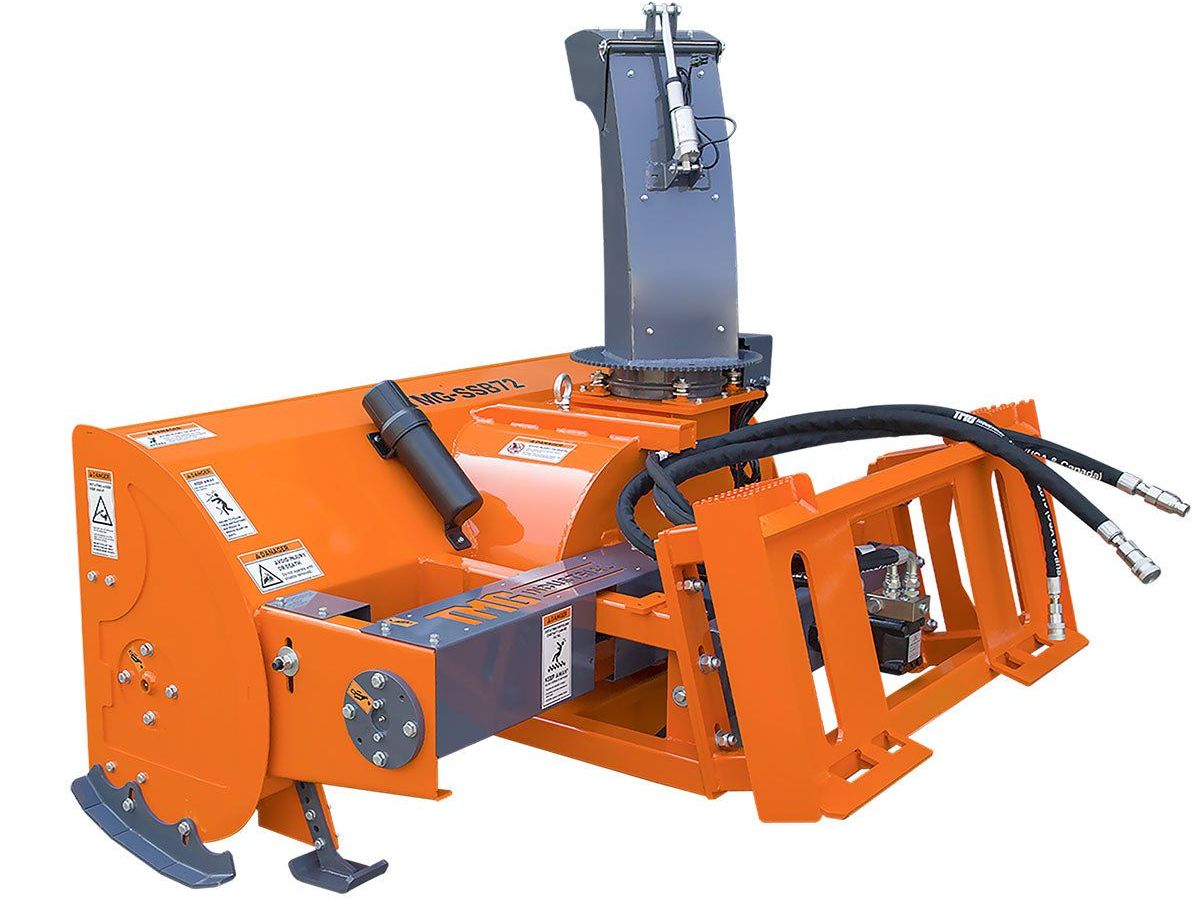
Clogs are super annoying, right? So, if your snow blower’s all jammed up, the first thing to do is turn off the engine. Safety first, folks! Then, grab a stick or something and poke around to clear the blockage. Never use your hands—trust me, it’s not worth the risk.
Hydraulic System Problems
Hydraulic issues can be a real headache. If your snow blower isn’t moving like it should, check the hydraulic fluid levels and look for leaks. Sometimes, a quick hose inspection can reveal pinch points or damage. Fixing these can often solve the problem.
Electrical Issues
Electrical gremlins can mess up your day. If the blower won’t start, check the battery connections and fuses. A loose wire might be all that’s stopping you from getting the job done. Keep a multimeter handy to test the circuits if you’re feeling brave.
Pro Tip: Regular maintenance can prevent most of these issues from popping up in the first place. A little TLC goes a long way in keeping your snow blower in top shape.
Advanced Techniques for Efficient Snow Removal
Pattern Planning Strategies
Start by thinking about how you’re gonna tackle the snow. Plan your pattern from the center outwards in open areas. Work with the wind, not against it. Create zones where you want the snow to go.
Using Multiple Passes
Don’t try to clear everything in one go. First pass, get the big stuff out of the way. Second pass, tidy up the edges. Final pass, do the detail work. Multiple passes make it way easier.
Working with the Wind
If the wind’s blowing, use it to your advantage. Throw the snow in the direction the wind’s going. It’ll help spread it out and keep it from piling up where you don’t want it.
Efficient snow removal isn’t just about clearing snow, it’s about doing it smartly. Think ahead, use the wind, and remember, multiple passes save time and effort.
Understanding the Technology Behind Snow Blowers
The Auger System Explained
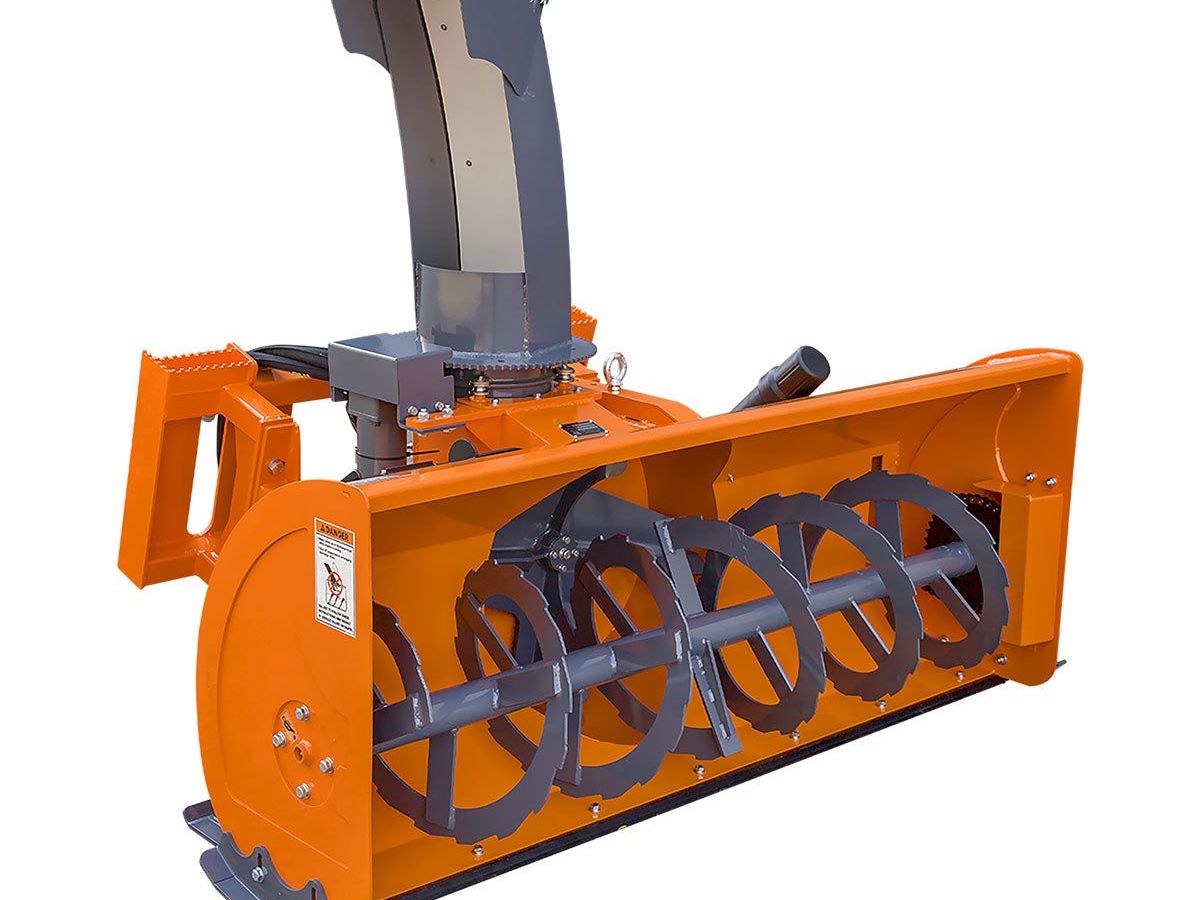
Alright, so let’s talk about the auger. It’s like the teeth of the snow blower. This thing chews up snow with its serrated edges. Whether it’s fluffy or packed, the auger doesn’t care. It’s usually made of tough steel to last longer.
Impeller Design Benefits
Next up is the impeller. This part throws the snow out of the chute. Think of it like a fan that pushes snow away. A good impeller design means the snow gets tossed far, so you don’t have to worry about it piling up where you’re clearing.
Hydraulic Requirements
Now, let’s get into the nitty-gritty with hydraulics. Your skid steer needs to meet certain specs to power the snow blower right. You’ll want to check the flow rate and pressure. If these match up, you’re golden. Get these specs wrong, and you’ll have a bad time.
Remember, having the right setup means your snow blower works efficiently. It’s like making sure your car has the right fuel. Otherwise, things just don’t run smoothly.
Commercial Applications of Skid Steer Snow Blowers
Clearing Large Parking Lots
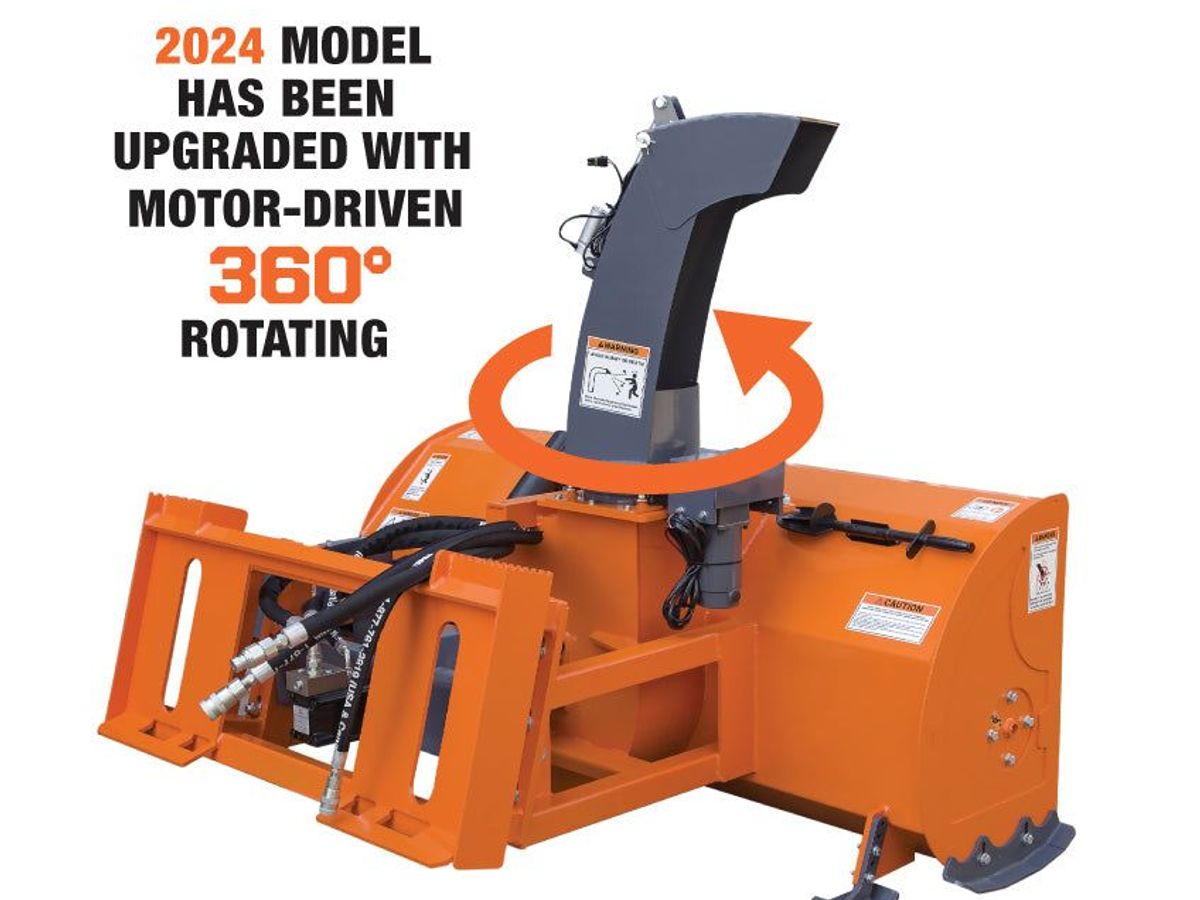
Using a skid loader snow blower to clear big parking lots is a game-changer. It saves time and effort, letting you tackle vast spaces without breaking a sweat. The power and efficiency of these machines mean you can move tons of snow quickly.
Managing Snow in Tight Spaces
Ever tried maneuvering a snow bucket skid steer in tight spots? It’s a breeze with the right equipment. Skid steer snowblowers are compact yet powerful, making them perfect for those tight, awkward spaces where larger machines can’t fit.
Seasonal Contracting Opportunities
With a blower skid, you can tap into seasonal contracting gigs. Businesses need reliable snow removal, and having the right gear can open doors to new opportunities. Whether it’s clearing driveways or entire commercial lots, there’s work to be had when the snow starts falling.
Skid steers are essential for efficient snow removal, providing timely service for commercial properties to reduce downtime. They also offer residential owners the convenience of immediate snow clearance. Find out more.
Environmental Considerations
Fuel Efficiency Tips
Running a snow blower efficiently can save you a ton of fuel. Keep your skid steer in the optimal HP range for better mileage. Don’t push it to the limits; that’s a surefire way to guzzle gas.
Reducing Noise Pollution
Snow blowers can be loud, right? Try using noise-reducing attachments or mufflers. Your neighbors will thank you, and you’ll keep the peace in the hood.
Eco-Friendly Practices
Let’s talk green. Use biodegradable hydraulic fluids and keep your equipment in top shape to prevent leaks. It’s a small step, but it makes a big difference for our planet.
Being eco-friendly isn’t just a trend; it’s a responsibility. Every little bit helps, so why not start with your snow blower?
When thinking about the environment, it’s important to choose products that are safe and sustainable. At TMG Industrial, we care about our planet and offer equipment that helps reduce waste and energy use. Check out our website to learn more about how our products can make a difference!
Wrapping It Up: Your Snow Blower Journey
So there you have it! Using a skid steer snow blower can really change the game when it comes to clearing snow. With the right tips and tricks, you can make your winter work a lot easier and faster. Remember to keep your machine in good shape and follow the safety rules to avoid any accidents. Whether you’re dealing with light flurries or heavy snow, this guide has got you covered. Now, get out there, fire up that blower, and tackle that snow like a pro!
Frequently Asked Questions
What is a skid steer snow blower?
A skid steer snow blower is a tool that attaches to a skid steer loader. It helps to clear snow quickly and efficiently.
How do I choose the right snow blower for my skid steer?
Look for compatibility with your skid steer, check key features, and consider your budget.
What maintenance do I need to do on my snow blower?
Regularly inspect the blower, lubricate moving parts, and replace any worn-out components.
Can I use my snow blower in different types of snow?
Yes, skid steer snow blowers can handle various snow types, including light powder and heavy, packed snow.
What safety checks should I perform before using the snow blower?
Always check the hydraulic connections, inspect the cutting edges, and ensure the chute rotates properly.
How do I troubleshoot clogs in my snow blower?
If the blower gets clogged, stop the machine and clear the chute. Make sure to operate at the right speed and angle.
What are the benefits of using a skid steer snow blower for businesses?
Using a skid steer snow blower can save time, increase efficiency, and handle large snow removal tasks easily.
Are there eco-friendly practices for using a snow blower?
Yes, you can reduce fuel use by maintaining your equipment and operating it efficiently.