In the world of construction, having the right equipment can make a big difference. Forward reverse compactors are tools that help make the ground solid and ready for building. This guide will explore what these machines are, how to choose the best one, and tips for using and caring for them. Whether you’re a pro or just starting, knowing about forward reverse compactors can save you time and money on your projects.
Key Takeaways
- Forward reverse compactors can compact soil in both directions, saving time.
- These machines are great for tight spaces and complex projects.
- Owning a compactor can save you money compared to renting.
- Regular maintenance is key to keeping your compactor running well.
- Choosing the right model depends on your project’s size and needs.
Understanding Forward Reverse Compactors
What Makes Them Unique
Hey, have you ever tried using a regular compactor and thought, "Man, I wish this thing could go backward without me wrestling it around?" Well, that’s where the forward reverse compactor comes in. It’s got this neat trick of moving both forward and backward without needing to be turned. This means you get better control, especially in tight spots. Plus, it saves you from all that back-and-forth hassle.
Key Benefits for Construction
Alright, let’s talk benefits. Using a forward reverse plate compactor means you’re getting more precise compaction. This thing is a beast when it comes to compacting soil, gravel, or asphalt. It’s efficient, reduces operator fatigue, and gets the job done quicker. Imagine getting your work done faster and with less effort—sounds like a win, right?
Common Misconceptions
Now, some folks think these compactors are just for big construction sites. Not true! They’re super handy for small projects too. Another myth is that they’re hard to operate. Honestly, if you can handle a lawnmower, you can handle one of these. Just remember to read the manual, and you’ll be golden.
"Forward reverse compactors are like the Swiss Army knife of construction tools—versatile and efficient."
So, next time you’re tackling a project, consider a forward reverse compactor. It’s got your back, literally!
Choosing the Right Forward Reverse Compactor
Factors to Consider
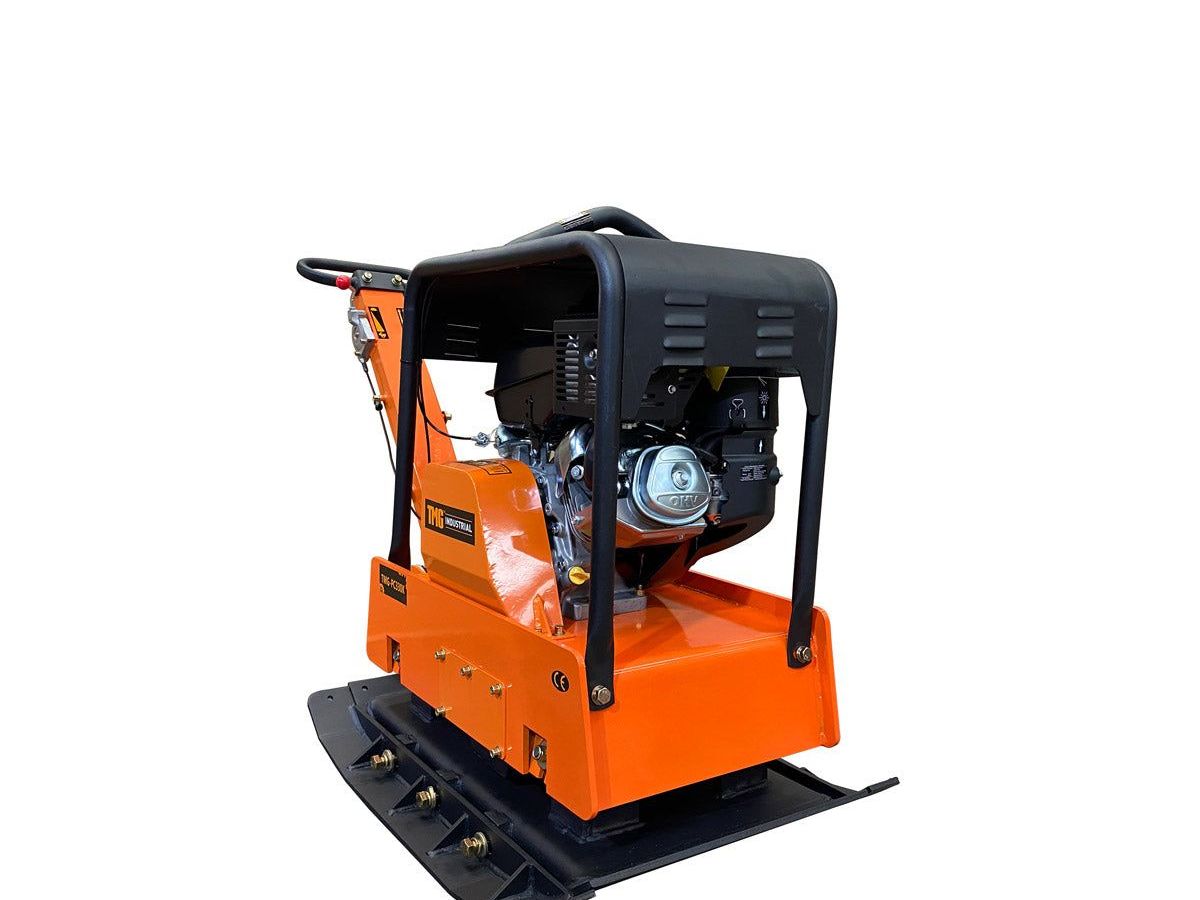
When picking a reverse plate compactor, think about the size of your project. Smaller jobs need less force, while bigger ones might require more oomph. Check the compaction force and plate width to match your needs. Also, consider the type of soil or material you’ll be working with. Some compactors handle granular materials better.
Popular Models and Brands
There are tons of reversible plate compactors for sale, and each has its own perks. Brands like TMG and Kohler are known for reliability. Look for models with features like rapid forward and reverse movement. It’s all about finding the best reversible plate compactor that fits your job.
Cost vs. Value Analysis
Buying a reversible plate tamper might seem pricey, but renting can add up fast. Think about how often you’ll use it. If it’s frequent, owning might save you cash in the long run. Consider the long-term value, not just the upfront cost.
Owning your own compactor means you’re always ready for the next project, no waiting, no hassle.
How to Operate a Forward Reverse Compactor Safely
Before you even think about starting your plate tamper reversible, make sure you’re decked out in the right gear. Steel-toe boots are a must, and don’t forget your ear and eye protection. It’s loud and dusty out there, folks. Always check your surroundings for any hazards like loose wires or steep edges.
Step-by-Step Operation Guide
Alright, let’s get this plate tamper reversible moving. First off, check the oil and fuel levels. Starting it up? Go slow at first, letting the machine do the heavy lifting. Overlap your passes by about a third and keep your lines straight. Trust me, this technique makes a world of difference.
Common Mistakes to Avoid
We all mess up, but let’s try to avoid the big ones. Never rush the process; forcing the machine can lead to uneven compaction. Also, don’t skip the pre-checks; running out of oil mid-job is a real pain.
Remember, operating a compactor isn’t rocket science, but a little care goes a long way in keeping things smooth and safe.
Maintenance Tips for Longevity
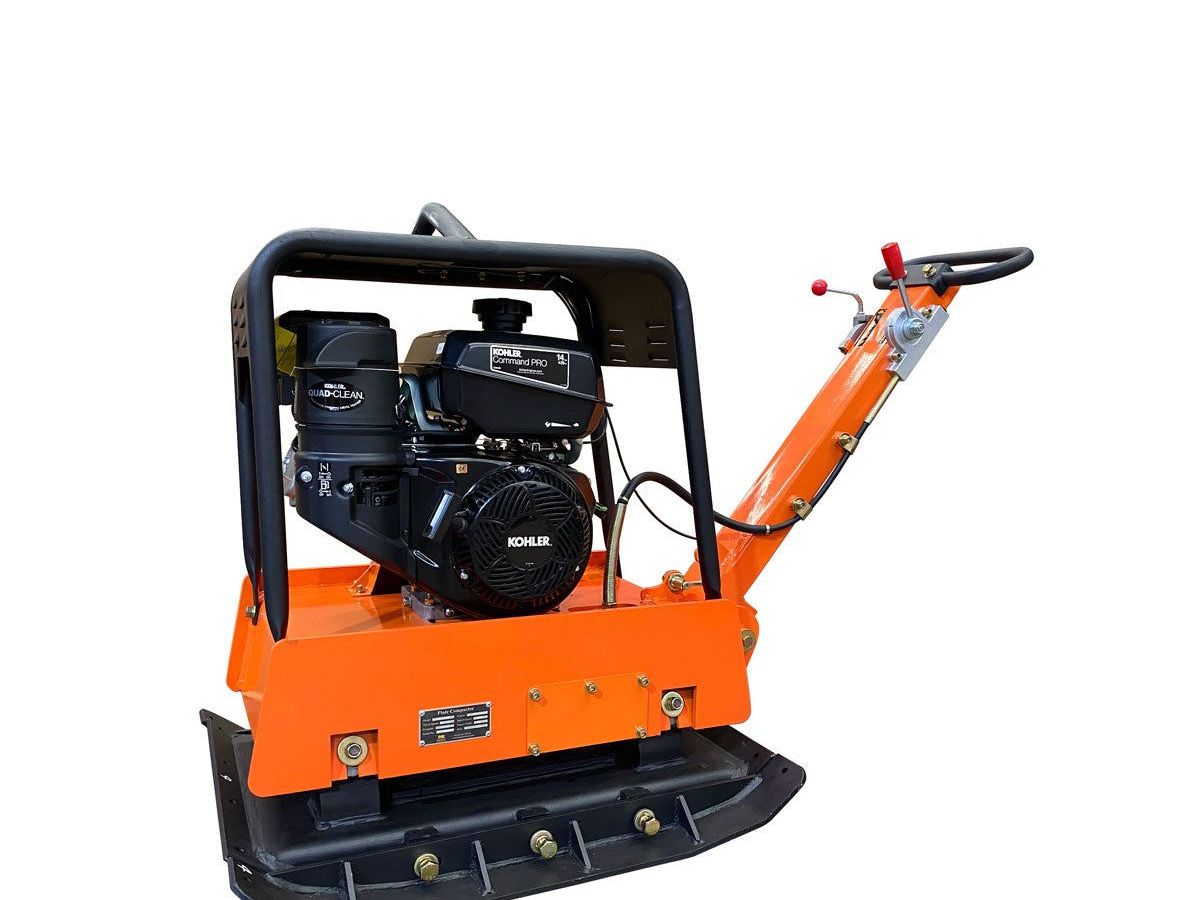
Hey, let’s talk about keeping your compactor in tip-top shape. Every day, just give it a quick once-over. Check the oil and fuel levels, and make sure those belts aren’t looking worn out. It’s a small task, but it makes a big difference.
So, your compactor’s acting up? No worries. First, check for any loose bolts or parts. Then, make sure the fuel is clean and fresh. If it’s still not working right, you might want to peek at the user manual for some clues.
Sometimes, things go beyond a DIY fix. If your machine is making weird noises or just won’t start, it might be time to call in the pros. Don’t wait too long; a small issue can turn into a big problem fast.
Keeping up with maintenance isn’t just about fixing things when they’re broken. It’s about making sure your compactor lasts as long as possible, saving you time and money in the long run.
Applications of Forward Reverse Compactors
Using a reversible plate compactor in residential projects makes life so much easier. You can compact soil for patios, driveways, or even garden paths without breaking a sweat. These machines are super handy for small spaces where you need precision and control.
Commercial Construction
In commercial construction, a reversible compactor is like your best buddy. It handles heavy-duty tasks like sub-base compaction or asphalt patching, especially in tight spots. It’s perfect for those big jobs where you need efficiency and reliability.
Specialized Uses
These machines aren’t just for the usual stuff. A forward reverse plate compactor can tackle specialized tasks like compacting around pipelines or manholes. It’s a game-changer for utility work where precision is key.
Comparing Forward Reverse Compactors to Other Types
Advantages Over Traditional Models
Forward reverse compactors are like the Swiss Army knife of compactors. They go both ways without needing a flip, saving you tons of time. This makes them super handy in tight spots where turning around is a pain. Plus, they handle different soil types better, making them versatile on the job site.
Situations Where They Excel
These compactors shine in tricky conditions. You know those narrow trenches or crowded construction sites? That’s where they come alive. They’re perfect for jobs where precision and control are key, like around utilities or in complex foundations.
Limitations to Consider
But hey, they’re not perfect. They can be a bit pricier than single-direction models. Also, they might be overkill for small, simple projects where a basic plate compactor would do the trick. So, it’s important to weigh the pros and cons based on your specific needs.
Environmental Impact and Efficiency
Fuel Consumption and Emissions
So, let’s talk about fuel. These compactors are getting better at using less of it, which is great for the planet and your wallet. Lower emissions mean cleaner air and less guilt when you’re out there doing your thing.
Innovations in Eco-Friendly Design
Manufacturers are getting creative with eco-friendly designs. They’re using materials that are kinder to the earth and coming up with ways to reduce noise. It’s like they’re making these machines with Mother Nature in mind.
Regulations and Compliance
Don’t forget about the rules! There are all these regulations about emissions that you have to follow. Staying compliant isn’t just about avoiding fines—it’s about doing your part for the environment.
Proper disposal of old tools is crucial. It’s not just about clearing space; it’s about minimizing your environmental footprint. Learn more.
Real-World Success Stories
Case Study: Urban Development
So, I was chatting with this contractor who was working on a big urban project. They were using a forward reverse compactor, and he said it was a total game-changer. The machine cut their project time in half. Imagine that! Less time, less hassle, and more efficiency.
Contractor Testimonials
I heard from a buddy who’s in the construction biz. He swears by these compactors. Says they’re like the Swiss Army knife of construction tools. Perfect for all sorts of jobs, big or small. You know, the kind of tool that makes you wonder how you ever worked without it.
Lessons Learned
A lesson I picked up from these stories is simple: the right tool can make a huge difference. It’s not just about getting the job done; it’s about doing it better and faster. And hey, if you’re not using the right gear, you’re just making life harder for yourself. So, why not make things a bit easier?
Future Trends in Compactor Technology
Upcoming Features to Watch
Alright, let’s dive into what’s coming up in the world of compactors. Smart features are taking over, with things like compaction mapping and auto-adjustment systems becoming a big deal. You can even monitor these machines remotely! By 2026, expect these smart features to be standard.
Impact of AI and Automation
AI isn’t just for robots anymore; it’s making its way into compactors too. Imagine a machine that learns the best way to compact soil on its own. That’s the future we’re heading towards. Automation is all about making these machines work smarter, not harder.
Market Predictions
Looking ahead, the compactor market is set to grow. More and more companies are jumping on the tech bandwagon. With all these advancements, it’s a good time to keep an eye on the market if you’re thinking of investing in new equipment. Efficiency is expected to jump by 15% over the next few years.
The future of compactors is bright, with technology leading the way. Stay updated to make the most of these innovations.
Buying vs. Renting: What’s Best for You?
Cost Analysis
Buying a compactor is like getting a car; you own it, and it’s yours to use whenever. But, it hits your wallet hard upfront. Renting, on the other hand, is lighter on the pocket in the short term, but those costs add up over time. Think of it like renting an apartment versus buying a house.
Flexibility and Convenience
Renting gives you the freedom to switch models or sizes based on what you need right now. It’s like having a new tool for every job without the commitment. Owning means you’re stuck with what you bought, but hey, it’s always ready when you are.
Long-Term Considerations
If you’re using a compactor a lot, buying might be the way to go. It’s like having your own gym equipment instead of a membership. But if your projects are few and far between, renting saves you on maintenance and storage. It’s all about how often you need it and how much hassle you’re willing to handle.
Sometimes, the best choice isn’t about money. It’s about what fits your lifestyle and work needs. Owning can be a hassle, but it’s also a comfort knowing your gear is always there.
In the end, whether you buy or rent, it’s about finding what works best for your projects and budget.
Deciding whether to buy or rent can be tough. Each choice has its own benefits, and it really depends on your situation. If you want to learn more about which option might be best for you, visit our website for helpful tips and advice!
Wrapping It Up: Why You Need a Bi-Directional Compactor
So, there you have it! If you’re in the construction game, a reversible vibratory plate compactor is a must-have. These machines are not just about power; they save you time and money, too. Imagine finishing jobs faster and cutting down on rental costs. Plus, they work great in tight spots and on tricky terrain. Whether you’re a pro or just starting out, investing in one of these compactors can really pay off. So, next time you’re on a job site, think about how a reversible compactor can make your life easier and your work better!
Frequently Asked Questions
What is a reversible vibratory plate compactor?
A reversible vibratory plate compactor is a machine used in construction to compact soil and other materials. It can move forward and backward, making it easier to work in tight spaces.
Why should I use a reversible compactor instead of a regular one?
Reversible compactors offer better control and efficiency. They allow you to compact areas without needing to turn the machine around, saving time and effort.
How much force do these compactors produce?
These compactors can produce between 3,000 to 8,500 pounds of compaction force, making them suitable for various construction tasks.
Can I use a reversible compactor on wet soil?
It’s best to use these machines on dry or slightly damp soil for better results. Wet soil can lead to poor compaction.
What are the main benefits of using a reversible vibratory plate compactor?
Some benefits include faster project completion, reduced labor costs, and the ability to compact in tight spaces more effectively.
How do I maintain my reversible compactor?
Regular maintenance includes checking the engine oil, cleaning the air filter, and inspecting the compaction plate for wear and tear.
Are there different models of reversible compactors?
Yes, there are various models available, each designed for different project sizes and needs. It’s important to choose one that matches your specific requirements.
Is it better to buy or rent a reversible compactor?
Buying is often more cost-effective in the long run, especially if you have ongoing projects. Renting can be expensive over time.