This guide will help you understand everything about forward and reverse plate compactors. These machines are essential for construction projects, making it easier to compact soil and other materials efficiently. Whether you’re a beginner or an experienced contractor, this article will provide you with the knowledge you need to choose, operate, and maintain these powerful tools effectively.
Key Takeaways
- Forward and reverse plate compactors can compact soil in both directions, saving time.
- These machines can complete projects up to 40% faster than traditional models.
- Owning a compactor can save you money compared to renting one regularly.
- Safety is important; always follow guidelines when operating a plate compactor.
- Regular maintenance helps extend the life of your compactor, ensuring it works well for years.
Understanding Forward and Reverse Plate Compactors
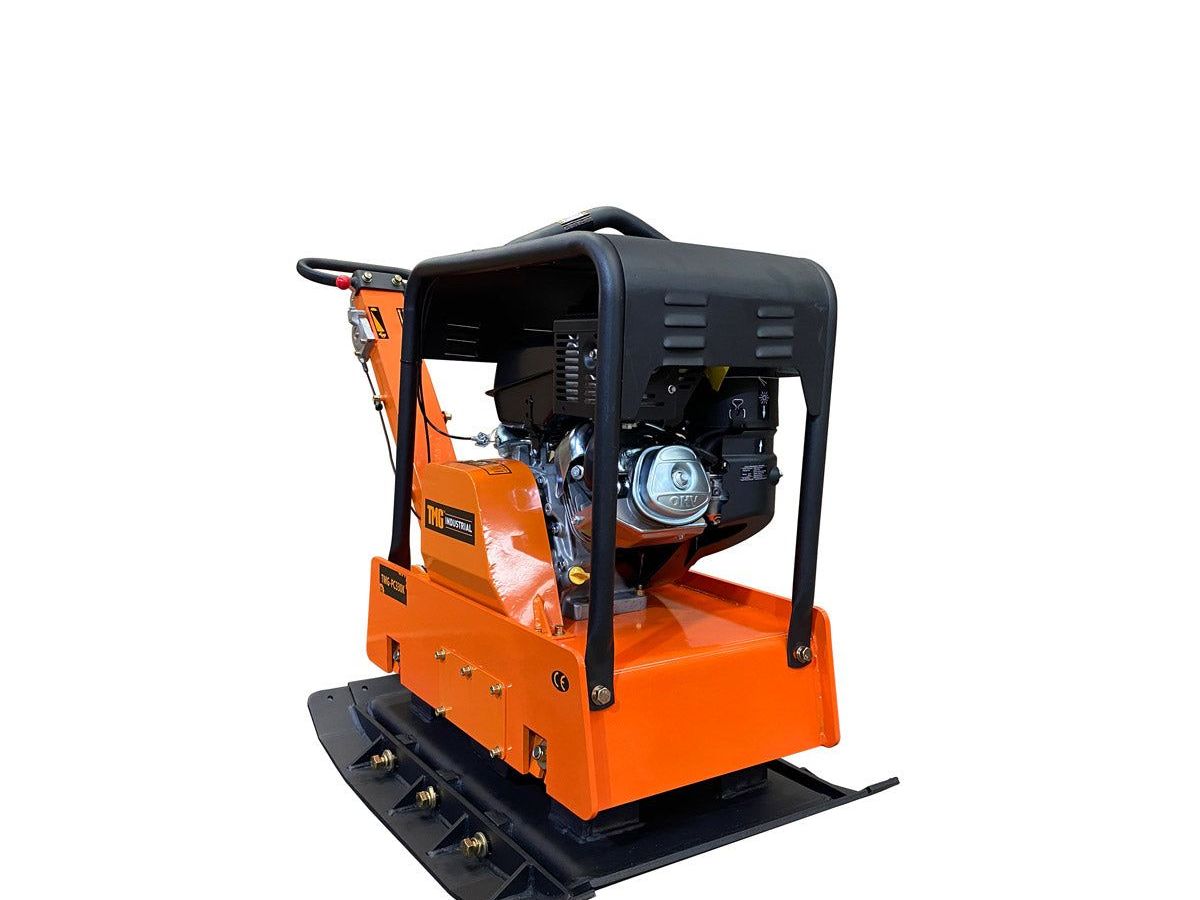
What Makes Them Unique
So, here’s the deal with a forward and reverse plate compactor: it can move in both directions without you having to turn the whole thing around. That’s a huge time saver and makes it super easy to use in tight spots. It’s like having a little compaction buddy that goes wherever you need it to.
Key Benefits Over Traditional Models
These bad boys offer some serious perks over the old-school models. First, you get way better control, especially in small spaces. Second, they really cut down on operator fatigue because you don’t have to wrestle with them as much. And finally, they get the job done faster, which means you can move on to the next project sooner.
Common Misconceptions
A lot of folks think a reversible plate tamper is only for big jobs, but that’s not true. You can totally use them for smaller projects too. Another myth is that they’re harder to operate than regular compactors. Actually, once you get the hang of it, using a reverse plate compactor is pretty straightforward.
Don’t let the myths scare you off. These machines are versatile and can be a great asset for any size project.
Choosing the Right Plate Compactor for Your Project
When picking a plate compactor, think about the plate width. A wider plate covers more ground but can be tricky in tight spots. Also, check the compaction force. You want enough power to get the job done without overdoing it. Don’t forget about the engine type; gas or diesel can make a big difference in performance.
Some models are really popular for a reason. The TMG-PC330K, for example, packs a punch with 8,500 lbs of force. It’s got a gas engine, which is great for power. Then there’s the Husqvarna LF80, known for its easy handling and reliable performance. Each model has its own perks, so it’s worth checking out what fits your needs best.
If you’re on a budget, don’t worry. There are plenty of options that won’t break the bank. Look for used models or brands that offer good value. Sometimes, you can find a solid machine at a fraction of the cost of a new one. Just make sure it’s in good shape and has been well-maintained.
Picking the right compactor isn’t just about the specs; it’s about finding what works for your specific project needs. Consider the size of the area, the type of soil, and how often you’ll be using it. Sometimes, a smaller, less powerful model is perfect for occasional use, while a heavy-duty one is better for constant, demanding tasks.
How to Operate a Forward and Reverse Plate Compactor
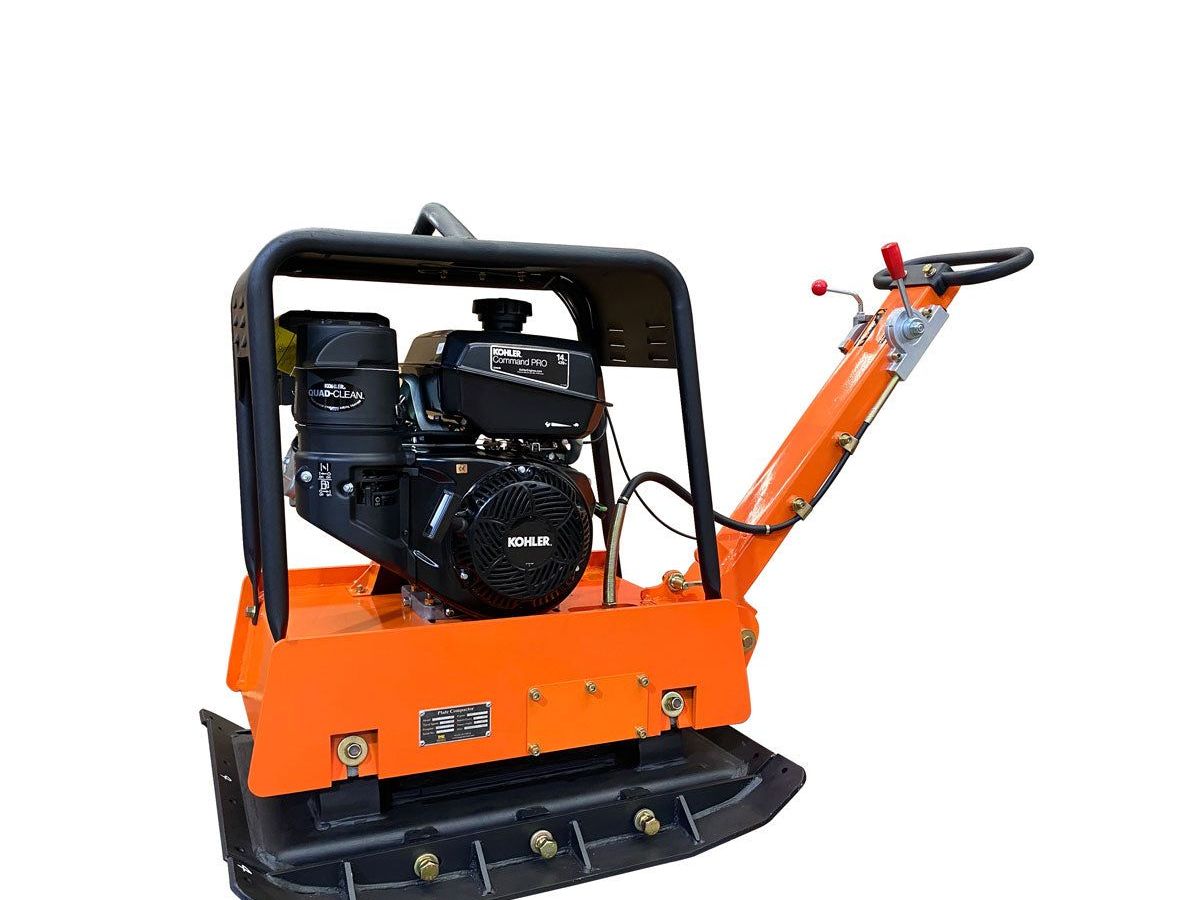
Basic Operation Steps
Operating one of these bad boys ain’t rocket science, but it does need some know-how. First, check the fuel and oil levels. You don’t want to run out mid-job. Next, fire up the engine using the pull starter. Once it’s purring, adjust the throttle to your desired speed. Use the handle to guide the compactor forward or backward. Easy peasy!
Safety Tips for Beginners
Safety first, folks! Always wear protective gear like gloves and earplugs. Keep your feet clear of the plate, and never operate the machine on a steep slope. Make sure the work area is free of debris to avoid accidents. Trust me, a little caution goes a long way.
Common Mistakes to Avoid
Let’s not mess up here. Avoid over-compacting the same spot; it can damage the surface. Don’t forget to check the machine for any loose parts before starting. And remember, going too fast can mess up the compaction quality. Slow and steady wins the race.
Pro Tip: Always read the user manual. It’s boring but super helpful. It’s like having a chat with someone who knows their stuff.
So, there you have it! With these steps, you’ll be compacting like a pro in no time.
Maintenance Tips for Longevity
Regular Maintenance Checklist
Keep your compactor running like a champ by sticking to a regular maintenance routine. Check the oil levels often; low oil is a silent engine killer. Make sure the belts are in good shape, and the fuel system is clean. A quick once-over before use can save you from a world of trouble later.
Troubleshooting Common Issues
Sometimes things go wrong. If your compactor isn’t starting, check the fuel and spark plug first. Weird noises? Look at the belts and hydraulic components. It’s usually something small, so don’t panic!
When to Seek Professional Help
Know when to throw in the towel. If you’re dealing with persistent issues or major repairs, it might be time to call in a pro. Sometimes, expert hands are exactly what you need to get things back on track. For reliable support, consider reaching out to a comprehensive network of dealers with well-trained service technicians.
Applications of Forward and Reverse Plate Compactors
Construction Projects
So, if you’re diving into construction, a reversible plate compactor is your buddy. It’s perfect for foundation work, especially when prepping bases and compacting backfill. You know those tight spots near footings and edges? This machine handles them like a champ.
Landscaping Uses
Got a landscaping gig? These compactors are spot-on for laying pavers or prepping walkways. They’re also great for sports fields and garden beds. Basically, if you’re working on the ground, this tool’s got your back.
Industrial Applications
In the industrial world, these compactors are lifesavers. They’re used for trench compaction and working around pipelines. Plus, they’re handy near manholes and other utilities. It’s all about making sure everything’s solid and safe.
Owning a reversible compactor can be a game changer, saving time and effort on big jobs. It’s like having an extra set of hands that never gets tired!
Comparing Gas vs. Diesel Plate Compactors
Pros and Cons of Each
So here’s the deal, gas and diesel compactors both have their perks and pitfalls. Gas engines are lighter and usually easier to start, making them great for smaller jobs. Diesel engines, on the other hand, pack more punch and are more fuel-efficient, which is awesome if you’re tackling bigger projects.
Which is Right for You?
Choosing between gas and diesel really depends on what you’re up to. If you’re working on a small site or need something easy to move around, gas might be your best bet. But if you’re handling a massive project and need something that can go the distance, diesel’s your friend.
Environmental Considerations
When it comes to being green, diesel engines generally emit less CO2 than gas engines. However, they can produce more particulates and NOx, which isn’t great. So, if emissions are a big deal for you, you might want to weigh your options carefully.
Picking the right engine isn’t just about power or fuel. It’s about finding what fits your needs and how you work. Trust me, getting this right can make your job a whole lot easier.
Understanding Compaction Force and Its Importance
How Compaction Force is Measured
Compaction force is all about the weight a plate compactor can push down. It’s usually measured in pounds or kilograms. This force is what makes the soil or gravel get all snug and tight. Think of it like pressing down a sandwich to make it fit in your mouth.
Impact on Project Quality
The right compaction force can make or break your project. Too little force, and your foundation might be wobbly. Too much, and you might end up damaging the materials. It’s like finding the sweet spot when making pancakes – not too thick, not too thin.
Choosing the Right Force for Your Needs
Picking the right compaction force depends on what you’re working with. For light jobs, you don’t need a beast of a machine. But for big projects, you might need something with a bit more oomph.
Knowing the right compaction force can save you time, money, and a whole lot of headaches. It’s like having the right tool for the job – makes everything smoother.
Here’s a quick list to help you decide:
- Light Projects: Small gardens or pathways need around 3,000-4,000 lbs.
- Medium Projects: Driveways or patios might need 5,000-6,500 lbs.
- Heavy Projects: Large construction sites may require 7,000-8,500 lbs.
Understanding these compaction force requirements is crucial for effective compaction in construction.
Real-World Success Stories
Case Study: A Contractor’s Experience
So, there was this contractor I knew who was working on a big foundation project. He decided to use a forward and reverse plate compactor, and wow, what a difference it made! He said it paid for itself in just three months. The efficiency was through the roof.
How It Saved Time and Money
Using the compactor, he managed to cut down on labor costs and time. No more back-and-forth with the equipment. It was smooth sailing, and the project wrapped up quicker than expected. Less time on site means more savings.
Lessons Learned
From this experience, the contractor learned a few things. First, investing in the right tools can save a ton of hassle. Second, understanding the equipment’s capabilities is key. Lastly, don’t underestimate the impact of good gear on your work quality. It’s a game-changer.
Future Trends in Plate Compactor Technology
Plate compactors are getting smarter every day. We’re talking about machines with real-time density feedback and electric models. These things are like the Teslas of compactors, minus the autopilot. Imagine having smart controls that make the job easier and quicker. It’s like having a little robot helper on the job site.
Sustainability in Design
Going green isn’t just for hippies anymore. Compactors are also catching up with the trend. They’re now built to be more eco-friendly with lower emissions and better fuel efficiency. It’s like getting more work done while saving the planet. Plus, reduced noise means you won’t go deaf working next to one.
What to Expect in the Next Decade
The future’s looking bright and a bit techy. Expect auto-adjustment systems and remote monitoring to become standard. These features are not just cool but super practical. It’s like having a compactor that thinks ahead. Keep an eye out for these changes because they’re going to make work a whole lot easier.
The world of plate compactors is changing fast, and it’s exciting to see where it’s headed. With all these innovations, it’s like getting a sneak peek into the future of construction.
As we look ahead, the world of plate compactors is evolving rapidly. New technologies are making these machines more efficient and user-friendly. If you’re interested in the latest advancements in plate compactor technology, visit our website for more information and to explore our range of products!
Wrapping It Up: Why You Need a Reversible Plate Compactor
So, there you have it! Reversible vibratory plate compactors are a must-have for anyone in construction. They save you time and money while making your job easier. With the ability to compact soil in both directions, you can work faster and get better results. Plus, owning one means you won’t have to keep renting, which can really add up. Whether you’re working on a big project or just need something for smaller jobs, these machines are worth the investment. So, if you want to boost your efficiency and keep your projects running smoothly, consider adding a reversible plate compactor to your toolkit!
Frequently Asked Questions
What is a reversible plate compactor?
A reversible plate compactor is a machine that compacts soil in both forward and backward directions, making it easier to work in tight spaces.
What are the advantages of using a reversible plate compactor?
These compactors save time and improve efficiency by allowing better control and less fatigue for the operator, leading to faster project completion.
How much compaction force does a typical reversible plate compactor provide?
Most reversible plate compactors offer between 3,000 to 8,500 pounds of compaction force, making them powerful tools for construction.
Can I use a reversible plate compactor on wet soil?
It’s best to use these machines on dry or slightly damp soil for better results.
What should I consider when choosing a plate compactor?
Think about the project size, soil type, and whether you need to work in tight spaces to choose the right model.
How do I maintain my plate compactor?
Regular checks on oil levels, cleaning the machine after use, and inspecting for wear and tear can help keep your compactor in good shape.
Are there different models of plate compactors?
Yes, there are various models designed for different project sizes, from small residential tasks to large commercial jobs.
What is the typical cost of renting vs. buying a plate compactor?
Renting can cost between $175 to $250 per day, while buying a machine can save you money in the long run, often paying for itself within a few months.