

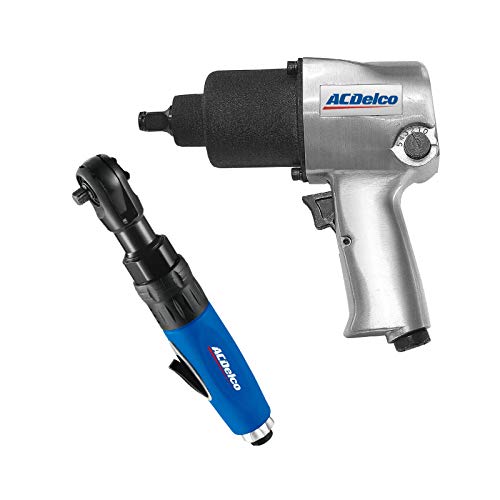
In this step-by-step guide on troubleshooting common issues with pneumatic tools, we strive to assist users in overcoming challenges frequently faced when utilizing these tools. Pneumatic tools, known for their efficiency and power, are ubiquitous across many industries. Our guide aims to provide practical solutions to help users address and resolve any common problems that may arise during the operation of pneumatic tools.


Identify the Issue
Before troubleshooting, identify the specific problem with your pneumatic tool. Check for signs of low power, such as the tool not functioning at full capacity when triggered. Look for air leaks by listening for hissing sounds when the tool is in use. Additionally, observe if the tool’s performance is inconsistent, like if it cuts out intermittently during operation. Identifying these issues will help you pinpoint the root cause and effectively address the problem.
Check Air Supply
Ensure the air compressor has sufficient pressure. Start by checking the pressure gauge on the compressor – if it’s too low, adjust it to meet the recommended level for your pneumatic tool. Next, inspect the air hose for any leaks or damage that could impact air flow. Test the airflow by briefly engaging the tool to see if it operates smoothly or if there are any noticeable performance issues. If problems persist, seek assistance from a professional to diagnose and resolve the issue promptly.
Inspect Air Hoses
- Check each air hose carefully for leaks, cracks, or blockages. Replace damaged hoses to maintain optimal tool performance.
- Inspect the entire length of the hose for any visible signs of wear and tear. Investigate any suspicious areas thoroughly.
- Avoid using a damaged air hose, as it can compromise both safety and efficiency. Ensure all hoses are in good working condition before proceeding with any air-powered tools.
Inspect Fittings and Connections
Inspect fittings and connections by first visually examining each one for any signs of looseness or damage. Next, test for stability by gently wiggling each connection to see if it moves. Tighten any loose fittings using the appropriate tools, ensuring they are secure. Replace any damaged parts, such as cracked hoses, with new ones to prevent air leaks.
Check for Moisture
- Drain excess moisture from your air compressor tank before operating pneumatic tools. Release the water by opening the drain valve at the bottom of the tank.
- Example: Turn off the compressor, then place a bucket beneath the valve to catch the water.
- Install a moisture trap/filter in the air line to capture any remaining moisture. Ensure the trap is positioned downstream of the compressor and before the tool.
- Example: Attach the moisture trap to the air line near the tool using the appropriate fittings. Check the trap regularly and empty it as needed.
- Regularly inspect and maintain the moisture trap to ensure it functions properly. Clean or replace any clogged filters to prevent moisture from reaching your pneumatic tools.
- Example: Follow the manufacturer’s instructions to disassemble the trap, clean the filter element, and reassemble it securely.
Inspect Tool Components
Examine the tool’s trigger, valve, and seals for wear or damage. Replace any worn-out parts to maintain optimum performance. Keep the components clean and well-maintained for consistent and efficient tool operation.
Lubricate Moving Parts
- Apply a small amount of lubricant to the pistons and bearings of your pneumatic tool.
- Make sure to distribute the lubricant evenly on the moving parts for optimal performance.
- Regularly check and reapply lubricant as needed to reduce friction and maintain smooth operation.
Test the Tool
Test the pneumatic tool by operating it after troubleshooting and maintenance procedures. Ensure it functions smoothly and efficiently by using it to perform its intended tasks. Observe how the tool performs while in use to confirm that the issues have been resolved. If there are still problems, reassess the tool or seek further assistance.
Further Troubleshooting
If the issue persists, refer to the tool’s manual or contact the manufacturer for advanced troubleshooting steps or professional repair services. Familiarize yourself with the troubleshooting techniques outlined in the manual before seeking additional assistance. Follow the guidelines provided by the manufacturer to resolve the issue effectively. If needed, schedule professional repair services with the manufacturer to address the problem promptly.
Regular Maintenance
- Establish a Schedule: Set aside time every month to clean, lubricate, and inspect your pneumatic tools. This routine maintenance will keep them in top condition and prevent unexpected breakdowns.
- Cleaning Procedure: Wipe down the exterior of the tool with a clean cloth to remove dust and debris. Use a mild detergent and water solution to clean the surfaces thoroughly. Ensuring the tool is free from dirt and grime will help prevent corrosion and damage.
- Lubrication Steps: Apply a few drops of pneumatic tool oil into the air inlet of the tool. Run the tool briefly to distribute the oil internally. Lubricating your tool regularly will minimize wear and tear on moving parts, ensuring smooth operation.
- Inspection Checklist: Check for any signs of wear or damage on the tool’s body and components. Inspect the air hose for cracks or leaks. Tighten any loose fittings or screws. Completing these checks will help you catch potential issues early on and address them before they escalate.
Wrapping Up Key Recommendations
In conclusion, by following the steps outlined in this guide, you can effectively troubleshoot common issues with pneumatic tools, ensuring optimal performance and longevity of your equipment. Remember to stay proactive in maintaining your tools to enhance their efficiency and durability. Keep these troubleshooting tips in mind next time you encounter any problems with your pneumatic tools.
Equipment Needed

Pneumatic Tool Problem Solvers
Operating Instructions
- Read the user manual thoroughly to understand how the pneumatic tool operates and safety guidelines
- Connect the tool to an appropriate air compressor with the correct pressure rating
- Before using the tool, ensure that all connections are secure and there are no leaks in the air hoses
- Wear safety gear such as goggles, gloves, and ear protection to prevent injury
- Practice on scrap materials to get comfortable with the tool before starting on any actual projects
Pneumatic Tools FAQs
Yes, pneumatic tools can be used in both light-duty and heavy-duty applications. Pneumatic tools are versatile and can adapt to a wide range of tasks. In light-duty applications, they can be used for tasks such as hobbyist projects, while in heavy-duty applications, they can handle more demanding tasks like automotive repair or industrial construction. The key is to use the appropriate pneumatic tool for the specific application to ensure optimal performance and efficiency.
Pneumatic tools are powered by compressed air to perform various tasks like drilling, sanding, or wrenching. The tool is connected to an air compressor through a hose. When the trigger is pressed, the compressed air is released, creating powerful force to drive the tool. Pneumatic tools are usually lighter and more durable than electric tools, making them a popular choice in many industries.
To properly store and transport pneumatic tools, it is important to follow these guidelines:
- Cleaning: Before storing your pneumatic tools, make sure they are clean and free of any debris, dirt, or dust. Using a clean cloth to wipe them down will help prevent any damage.
- Lubrication: Apply a few drops of tool oil into the air inlet of the tool before storing it. This will help keep the internal components lubricated and prevent rust or corrosion.
- Protection: Use a tool case or a protective cover to store your pneumatic tools. This will shield them from dust, moisture, and any potential damage during transportation.
- Secure storage: Always store your pneumatic tools in a dry and temperate environment. Avoid leaving them exposed to extreme temperatures or humidity, as this can affect their performance.
- Proper transportation: When transporting pneumatic tools, make sure they are securely packed and cushioned to prevent any impacts or damage. Consider using a toolbox or padded bag for safe transport.
Following these simple guidelines will help you store and transport your pneumatic tools safely and maintain their performance for a longer period.
When using pneumatic tools, there are several important safety precautions you should keep in mind to prevent accidents and injuries. Here are some key tips to follow:
- Always wear appropriate personal protective equipment (PPE) such as safety glasses, ear protection, gloves, and steel-toe boots to protect yourself from flying debris and noise exposure.
- Make sure to inspect pneumatic tools before use to ensure they are in good working condition. Check for any damage, leaks, or worn parts that may affect their performance.
- Only use pneumatic tools that are specifically designed for the task at hand. Using a tool for a task it was not intended for can be dangerous.
- Follow the manufacturer’s instructions and recommendations for operating the pneumatic tool. Do not modify the tool or remove any safety devices.
- When connecting and disconnecting pneumatic tools from the air supply, always release the air pressure first to prevent any unexpected movement or activation of the tool.
- Never point a pneumatic tool at yourself or others, and always keep your hands away from the tool’s moving parts while it is in operation.
- Store pneumatic tools properly in a secure place when not in use, and avoid leaving them unattended or lying around where they can be a tripping hazard.
By following these safety precautions, you can help ensure a safe working environment when using pneumatic tools.
One of the key components of a pneumatic system is the compressor, which is responsible for taking in air and pressurizing it. This pressurized air is then stored in a receiver tank. Another important component is the pneumatic valve, which controls the airflow in the system. Additionally, there are actuators, such as cylinders or motors, which use the compressed air to produce mechanical motion. Finally, filters and regulators are also essential to ensure the air quality and pressure are maintained at the desired levels.
Air compressors play a crucial role in operating pneumatic tools by supplying the necessary power needed to operate these tools. Pneumatic tools require compressed air to function efficiently, as the high-pressure air provided by the compressor enables the tools to generate the force required for various applications. Without the air compressor, pneumatic tools would not be able to function effectively and efficiently. Therefore, having a reliable air compressor is essential for the proper operation of pneumatic tools in various industries and applications.




I followed the guide but still seem to have issues with my pneumatic tool losing power intermittently. Could it be related to the air compressor or something else? Any advice on how to further troubleshoot this?
I disagree with the recommendation to lubricate moving parts before testing the tool. I believe it’s more effective to test the tool first and then lubricate if necessary. What are your thoughts on this order of steps?
Thank you for sharing your perspective! Both approaches have their merits. Testing the tool first can identify immediate issues, but pre-emptive lubrication can prevent wear and tear. It could vary based on tool type and usage frequency.
Thank you for sharing your variation! Using a soapy water solution is indeed a clever method to detect air leaks. It’s a practical approach that can save time in troubleshooting. Great tip!
Could you explore a section on safety precautions to take when troubleshooting pneumatic tools? I think highlighting the potential hazards and how to avoid them would be valuable information for users.
That’s an excellent suggestion! Safety is paramount when working with pneumatic tools. I will definitely include a section on safety precautions in future guides to ensure users are informed and can troubleshoot safely. Thank you for the input!
I found that using a soapy water solution to check for air leaks in the hoses and connections was helpful. The bubbles would indicate where the leaks were, making it easier to identify and fix them.
I applied the troubleshooting steps to my pneumatic nail gun, and it worked perfectly after resolving some hose issues. The guide’s instructions were clear and practical, making the troubleshooting process straightforward.
I’m glad to hear that the guide helped you troubleshoot your pneumatic nail gun effectively! It’s great to know that the instructions were clear and practical. Remember to perform regular maintenance to keep your tool in optimal condition.
Could you cover the topic of selecting the right air compressor for different pneumatic tools in a future article? I think that would be very helpful for those new to using pneumatic tools.
Thank you for the suggestion! Selecting the right air compressor is crucial for optimal performance of pneumatic tools. I will definitely consider covering this topic in a future article.
Can you recommend a specific brand of air filter and regulator for maintaining air quality and pressure consistency in pneumatic tools? I’d appreciate a reliable recommendation.
Certainly! For air filtration and regulation, brands like Ingersoll Rand, Parker, and SMC are known for their quality products. I recommend checking the specific models that match your tool requirements for the best performance.