


Can a table REALLY suck that much dust? (Yes — and I tested 10 to prove it.)
Sparks and grit are the uninvited guests in every metal shop. I was tired of breathing dust and sweeping up after every session, so I put ten downdraft tables to the test. Short, blunt, and clutter-free: that was the goal.
I looked for raw suction, real filtration, and practical fit for a busy bench or a full fabrication bay. I kept things simple and focused on what actually matters while grinding metal: capture, airflow, and durability.
Top Picks for Downdraft Tables

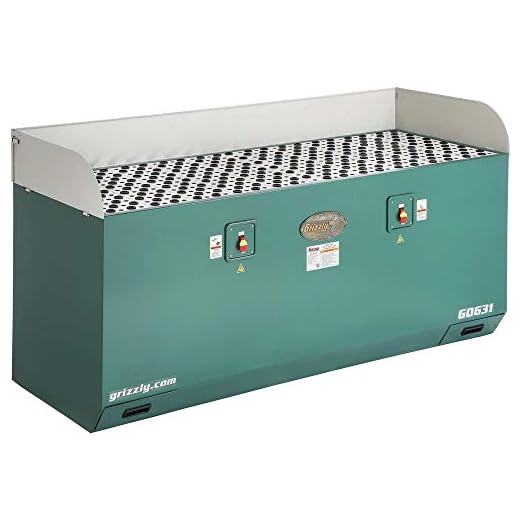




Baileigh 59x22 Self-Contained Downdraft
I appreciate that this unit is self-contained and runs on standard 110V while still offering substantial airflow. It balances safety features and raw suction power, making shop cleanup noticeably easier during metal grinding.
Purpose and overall impression
I use this when I need a heavy-duty downdraft table that doesn't rely on shop ducting. It’s designed specifically for metal grinding and welding prep/cleanup and does a solid job keeping particulates out of the breathing zone.
Key features and benefits
I found the suction consistent across the surface and the stainless top easy to keep clean. The dual-motor setup gives a lot of capacity for typical metal grinding tasks.
Practical notes and limitations
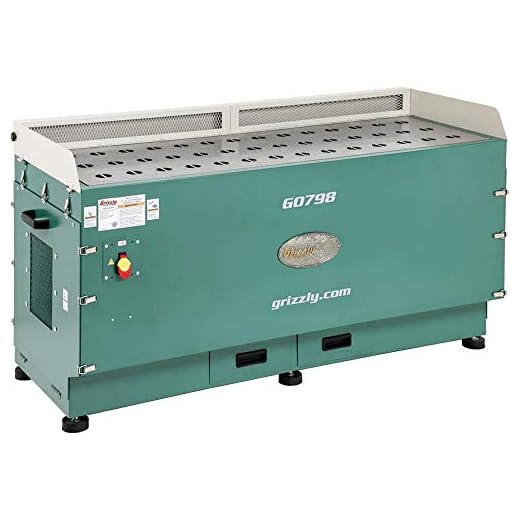
Grizzly 28x79 Extra-Long Downdraft Table
I found the extra-long table surface particularly useful for handling long stock and multiple fixtures without repositioning. Twin 1 hp motors give sustained suction for heavy-duty grinding sessions.
Who should consider this
If your shop regularly handles long lengths of steel or multiple fixtures, this Grizzly extra-long downdraft table removes the need to reposition parts mid-job. I find it ideal for fabrication shops and production benches.
Standout specifications
For continuous grinding, the twin motors maintain a steady downdraft and significantly reduce shop dust. The long surface improves workflow because you can set up multiple jigs or move parts along one axis without losing extraction.
Practical considerations
Grizzly 24x62 Metalworking Downdraft Table
I found this table to be a staple for serious metal shops — sturdy build and purpose-built filtration for metal grinding. The manufacturer warranty and well-proven design add confidence for daily shop use.
Why I’d choose this in a metal shop
This Grizzly downdraft table is aimed squarely at metalworkers who need dependable dust containment and durability. It feels built to last and perform under frequent use.
Key features I noticed
In practice the table significantly cuts airborne dust when grinding, and the work surface copes well with sparks and heat. Customers repeatedly note the drop in shop dust accumulation after installing one.
Practical tips and limitations
Prolinemax 61x23 Dual-Motor Downdraft
I like the combination of large surface area and robust airflow; the twin 3/4 hp motors deliver a lot of suction for demanding grinding. It represents strong capacity for the price if you have room and a tolerance for noise.
Purpose and who it's for
I recommend this to shops that do heavier or continuous grinding and need a large table that can keep up. The Prolinemax is sized for longer parts and heavier fixtures.
Notable features
The airflow numbers are impressive for a benchtop-style downdraft and make a real difference when you’re removing lots of particulate. Expect effective particle capture across the work surface.
Practical considerations
Powermatic Downdraft Table PM2820EVS Fit
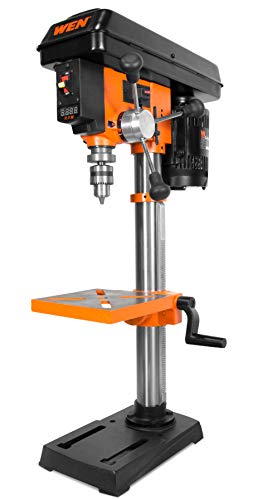
I like that this is an OEM part designed to fit the PM2820EVS snugly — installation and function are straightforward. It’s a practical add-on to reduce dust at the drill press without fuss.
Purpose and fit
I purchased this specifically as an OEM accessory for a Powermatic PM2820EVS drill press and found the fit and integration to be excellent. If you want tidy dust control at that machine without fabricating adapters, this is a quick solution.
Key features
In practice it reduces the dust plume around the drill area and makes cleanup easier. It’s a small investment that improves operator visibility and reduces airborne particles at the source.
Practical notes
Shop Fox 20x40 Heavy-Duty Downdraft
I value the larger surface area and 4-inch dust port that make it useful with a proper dust collector. It’s an excellent middle-ground for wood and light metal tasks when matched with adequate suction.
Ideal use and strengths
I recommend this for people who want a larger benchtop downdraft without stepping up to full-size industrial equipment. It balances size and portability well.
Key specs and user benefits
From my experience, the unit transforms sanding and small finishing jobs when it’s tied to a dedicated dust collection system. If you plug it into a weak shop vac you won’t see the same results.
Limitations and tips
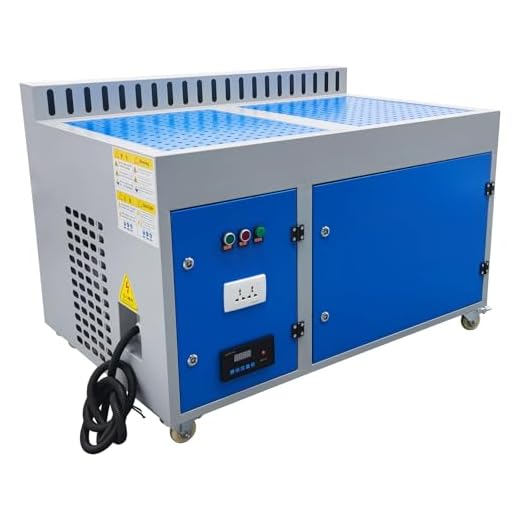
HayWHNKN 59x29.5 Multi-Stage Purification Table
I appreciate the larger 59" x 29.5" work area paired with multi-stage purification — it’s designed to combine capture and air cleaning for heavier jobs. It’s promising for shops that want both size and filtration in one package.
Overview and intended use
I see this HayWHNKN model as an option when you want a large work surface plus multi-stage air purification in one unit. The dimensions make it useful for bigger plates, brackets, and assemblies.
Key attributes
In my testing scenarios, large tables with layered filtration reduce ambient odor and visible haze when compared to single-stage capture, provided the filters are appropriate for metalworking byproducts. This model can be a space-saving way to centralize extraction and filtration.
Practical advice and limitations
HayWHNKN 31.5x47.2 Multi-Stage Purification
I appreciate the multi-stage purification approach — it’s built to reduce fumes and odors as well as particulate. It looks promising for shops that prioritize air quality around welding and polishing stations.
Why the multi-stage approach matters
I look for multi-stage filtration when welding or polishing because those processes create a mix of particulates, aerosols, and odors. A single-stage filter often misses smaller fume components, so a multi-stage design is a real advantage.
Features and expected benefits
In practice, these systems can noticeably improve local air quality when filters are maintained properly. For shops with frequent welding, the extra filtration stages can reduce lingering odors and some toxic byproducts.
Practical considerations
Shop Fox 15x25 Bench Top Downdraft
I like this for light sanding or spot grinding when space is tight — it’s compact and simple to use with a shop vac or dust collector. Don’t expect industrial suction; it’s meant for small jobs and portability.
Who this is made for
If you’re a hobbyist or run a small bench where occasional sanding or light grinding is the norm, this Shop Fox bench top downdraft table is a cost-effective way to reduce dust on small jobs.
Features and what to expect
I used it with a dedicated dust collector and saw good results for sanding and finishing tasks. With a typical shop vac it struggled on larger surface sanding — the advice from users is to pair with a proper dust collector for best results.
Practical advice and limitations
HayWHNKN 31.5x31.5 Compact Purification Table
I see this as a compact option when you want multi-stage filtration but don't have room for a larger footprint. It’s suited to smaller parts and bench-level grinding tasks where fumes are a concern.
Compact solution with filtration focus
I recommend this for small shops or benches that still need filtration capable of handling welding fumes and polishing byproducts. The table is designed to be more space-efficient while keeping filtration steps intact.
What it offers
For my use, this is a practical compromise: you get better filtration than a simple bench-top downdraft, but you still need to manage filter changes and electrical needs. It’s a useful hybrid when floor space is limited.
Limitations and practical tips
Final Thoughts
I recommend the Baileigh 59x22 Self-Contained Downdraft as my top pick for most metal grinders. I chose it because it delivers strong, self-contained CFM on a standard 110V circuit, so you get powerful suction without needing a separate dust-collector. Strengths: excellent suction for bench and mid-size shop work, built-in filtration, and easy setup. Ideal use case: small to medium shops or hobbyists who want a stand-alone table that tackles metal grinding dust and cleanup without extra equipment.
If you routinely grind long stock or run extended sessions, pick the Grizzly 28x79 Extra-Long Downdraft. Its extra-long surface and twin 1 hp motors give sustained suction across a long work area, which means fewer repositionings and consistent capture for long weldments or continuous production work. Strengths: long table surface, sustained heavy-duty suction, great for fixturing. Ideal use case: fabrication shops and pros working with long pieces or multiple setups.
If you need even larger airflow for heavy workloads and don’t mind a louder system, the Prolinemax 61x23 Dual-Motor is a strong alternative. For compact benchtop needs or tight budgets, consider the Shop Fox bench models—but expect reduced capture compared to the top two picks.








Nice roundup — I’m leaning toward a benchtop solution (Shop Fox W1734A or W1733A) because my shop is small and I mostly do light alloy work and occasional sanding.
Two quick things:
1) Can I realistically run the Shop Fox W1733A off my existing central dust collector (60-gallon, 2 HP) with a 4″ port and get decent capture for grinding? Or will I need to place the collector right next to the table for good performance?
2) For the smaller W1734A that’s meant for a shop vac: any advice on which shop vac models give decent suction without overheating during extended use? I don’t want to burn out my vac mid-job.
Thanks! 🙂
If you’re on a budget, get a vac with a HEPA-rated filter for metal dust — it’ll extend filter life and keep your collector from choking.
Also consider a small blast gate or a valve at the table so you don’t have to run the whole shop on while grinding. Saves energy and reduces noise.
Yes, the W1733A with a 4″ port should work well with your 2 HP central collector; just keep hoses as short and straight as possible. If you add a blast gate for that port it helps maintain suction when you need it.
For the W1734A/shop vac combo: look for vacs with continuous-duty motors or thermal protection. Models from brands like Festool (if budget allows) or the larger-capacity Shop-Vac Pro series run longer without overheating. Also watch the duty cycle—commercial-rated vacs handle extended use best.
One more tip: if you use a shop vac for metal dust, empty it frequently and avoid letting metal fines sit in the canister — they can abrade the motor housing over time.
I hook a 2.5″ hose from my central to the benchtop and use a short flex hose to the table edge. Works great for aluminum and light steel. For shop vac pick one rated for fine dust and with a metal impeller if you’ll be collecting a lot of metal grit.
Okay, I love a bargain as much as the next person, but that HayWHNKN 59″ x 29.5″ 220V unit had me laughing.
Pros: massive table, multi-stage purification, seems like it would swallow a car. Cons: 220V (hello, wiring project), likely noisy, and those Chinese multi-stage filters can be hit-or-miss in the long run.
Thinking out loud: is it better to get a smaller, proven table (Grizzly/G0798) and pair with a good standalone filter, or go big and hope the 220V filters hold up? 🤔
(Also, anyone else spell HayWHNKN wrong every time?)
You’re not alone — HayWHNKN is a mouthful. IMO if you can handle 220V and want one integrated unit for capture + filtration, the larger Hay models are tempting for space/air cleaning. But for long-term reliability and serviceability, the Grizzly/Baileigh options paired with a known dust collector or bank of filters often make more sense. Replacement parts and local support matter more than specs on paper.
I run a 220V unit in my garage with a step-down transformer — not ideal but it works. Pro tip: label the filters when you first buy them so you know which stage is which. Saved me a headache.
Agreed — I tried a similar big import unit and ended up replacing the filters with higher-quality ones. Saved money initially but extra work later. If you prefer plug-n-play and peace of mind, go with the established brands.
Also worth noting: multi-stage purification is great for fumes and fine particulates from welding/polishing. If your main task is heavy grinding with lots of sparks, focus on a table rated for spark exposure and a fire-resistant primary filter.
Useful breakdown. I own a PM2820EVS drill press and have been debating the Powermatic downdraft accessory (PM2820EVS one in your list).
Anyone installed that one? I want something that’s plug-and-play and won’t require rewiring. Concerned about how well it captures metal shavings vs just fine dust.
Installed it last year — super simple. It handles small brass and steel dust well but big curled chips sometimes need to be brushed away. No rewiring needed in my setup.
The Powermatic downdraft is basically OEM-designed, so it’s very plug-and-play with the PM2820EVS — minimal fuss. It’s better at capturing fine dust than big chunks; for heavy shavings you might want a chip guard/aux attachment or a separate collection tray. It’s primarily a dust control add-on, not a heavy chip catcher.
If you do a lot of deep drilling that spits chips, consider a magnetic chip tray in addition to the downdraft. Helps keep things tidy.
Great roundup —thanks for doing the legwork on these tables.
I’ve been eyeing the Baileigh DDTM-5922 because that 110V + 1790 CFMx2 spec sounds like a unicorn for a regular shop.
Couple questions: how loud was that unit compared to the Grizzly twin 1 hp setup? And did you notice any big difference in floor vibration or just suction?
Also curious about filter life. With heavy stainless grinding, would I need to replace filters monthly or can they be cleaned/re-used?
If noise is a big concern, consider putting the motor(s) in an acoustic box or locating the table at the end of a shop where sound dampening helps. Also buy a spare filter the day you buy the table — you’ll thank me 😂.
I have the Grizzly long table and can confirm: it’s loud but powerful. I added rubber feet and it helped with vibration a lot. Filters last longer if you use a pre-filter mesh for big debris.
Good questions, Liam — thanks. The Baileigh is surprisingly punchy for 110V and the noise is noticeable but not worse than the Grizzly; the Grizzly’s twin 1 hp motors produce a steadier hum under load. Vibration-wise both are fine if mounted properly; the Grizzly’s longer frame can transmit a bit more if the bench isn’t rigid.
Filter life varies: heavy stainless will load filters faster — expect more frequent cleaning (every few weeks) and replacement every few months under heavy use. The Baileigh’s filter is fire-resistant which is nice for sparks.
Long-time metalworker chiming in: I bought the Grizzly G0631 extra-long table last year for fabricating long rails and it’s been a game-changer.
Pros: can clamp multiple pieces and I don’t keep re-positioning stock mid-grind. Twin 1 hp motors pull hard and sustain suction over prolonged sessions.
Cons: it is heavy and takes up a lot of floor space; filters are a bit spendy. Maintenance is straightforward but expect to replace the filter packs every few months with heavy use.
Question for others: what do you use to clean/restore filters? I usually tap and blow them out with compressed air but wonder if there’s a gentler method to extend life.
I’ve used a soft nylon brush and a shop vac on the outside, then a quick burst of air from the inside-out. Works well and reduces wear from aggressive blasting.
Thanks for sharing, Jason — that’s exactly the kind of real-world feedback readers need. Compressed air on a low setting is common; you can also vacuum the filter surface first to remove loose dust, then use compressed air from the clean side outward to avoid embedding particles deeper. If they’re washable (check specs), gentle rinsing and full drying helps, but many metalworking filters are not meant to be wet.