


Will the lights stay on when the grid ghosts you? Ten portable lifelines to keep your coffee hot and your Wi‑Fi alive.
Sitting in the dark, coffee cold, fridge beeping — I’ve been there. I wanted something quiet and reliable that wouldn’t fry my laptop or wake the whole neighborhood.
I tested and cross-checked a range of units. I focused on QUIET, real-world usefulness, and flexibility so you don’t get stuck with a paperweight during an outage.
Top Picks


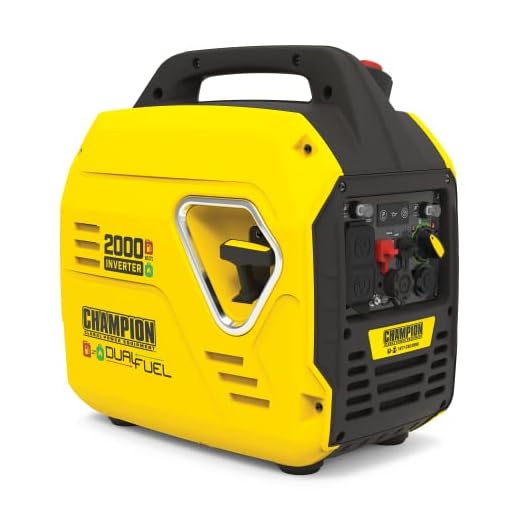


Honda EU2200i 2200W Quiet Inverter Generator
I consider this a top pick for anyone who wants ultra‑reliable, quiet power for sensitive electronics and light household needs. Its proven durability and low noise profile make it worth the premium for frequent users.
Why I like it
I rely on this generator when I need quiet, dependable power that won't risk my electronics. The inverter technology delivers clean sine‑wave output, which is ideal for laptops, TVs, and modern appliances with electronics. The EU2200i has a long reputation for reliability — it's the kind of unit that keeps running year after year with regular maintenance.
Notable features
In everyday use I value the ease of starting and the low vibration/noise. It's not the tool for running an entire home, but it's perfect for powering refrigerators, a few lights, charging devices, and small appliances. If you camp, tailgate, or need portable backup for a small household, this is my go‑to.
Practical considerations
In short, I recommend this to anyone who values quiet operation, proven reliability, and clean power for electronics.
12,500W Tri‑Fuel Electric Start Generator
I appreciate the combination of very high output and tri‑fuel flexibility — it gives you gasoline, propane, or natural gas options right out of the box. For larger houses or long outages where you need to run multiple large loads, this unit delivers reliable, practical power.
Overview
I view this as a workhorse generator for serious home backup. It produces massive starting watts on gasoline and very solid running watts on natural gas or propane — great when you want to run furnaces, central A/C, well pumps, and major appliances at the same time. The included hoses and fittings for NG/LPG make setup to alternative fuels straightforward.
Key features and benefits
I like having the CO Shield safety feature; it adds an extra layer of protection by shutting the engine off if unsafe CO builds up. The covered outlet set (L14‑30R, L14‑50R, and GFCI household outlets) makes it ready to tie into a transfer switch or run essential circuits. The 7.7‑gallon tank gives decent gasoline runtime, and using natural gas can extend runtime for lengthy outages.
Practical notes and limitations
Overall, I recommend this generator when you need serious, reliable power and value the ability to switch fuel types depending on availability and cost. It isn't for lightweight or infrequent users, but for whole‑house backup it performs exactly as you'd expect from a high‑output tri‑fuel unit.
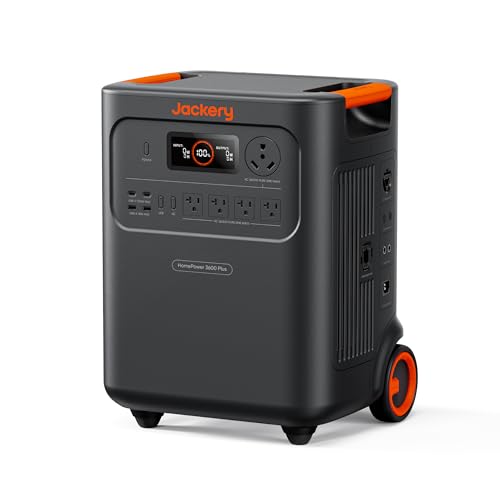
Jackery HomePower 3000 LFP Solar Generator Bundle
I love the silent operation and instant on capability of this battery‑based system — it’s ideal for people who want quiet, emissions‑free backup and the ability to recharge from solar. The sizeable LFP battery and high surge capacity make it practical for many home essentials.
Why I recommend battery backup
I often suggest the Jackery HomePower 3000 when customers prioritize silent, clean power and the ability to integrate solar charging. With a large LFP battery and a robust inverter, it will run refrigerators, medical devices, routers, and even some HVAC gear for limited periods — without fuel, noise, or exhaust.
Standout features
I like the user experience: it’s straightforward to plug devices in, monitor via the app or display, and wheel the unit where you need it. For multi‑day outages, combining solar with the pack reduces or eliminates the need for fuel resupply, which is a major convenience.
Practical tradeoffs
Westinghouse 9500W Remote Start Dual‑Fuel Generator
I see this model as a strong mid‑size option that balances power, runtime, and features like electric remote start and dual‑fuel capability. It’s a good choice for homeowners who want transfer‑switch ready output without stepping up to commercial units.
Where it shines
I recommend this Westinghouse when you want robust backup but don’t want to move into the top‑end, permanently installed generator category. The 7,500 running watts (9,500 peak) will cover most systems including furnace, sump, fridge, some circuits, and even smaller A/C units with proper load management.
Features I value
I find the VFT (Voltage Frequency Tach) data display useful for monitoring and scheduling maintenance. The wheels and hardened frame make it manageable to move during setup, though you’ll likely set it semi‑permanently outside. Runtime on a gasoline tank is solid for long outages.
Practical considerations
Westinghouse iGen2550 Super Quiet Inverter
I find it to be an excellent blend of price, weight, and quiet operation for small‑to‑medium needs like refrigerators and electronics. It's especially good when you want a lightweight inverter that still handles occasional heavier starts.
Who this is for
I recommend the iGen2550 to users who want a compact, quiet inverter that can take care of essentials during outages or while camping. It’s strong enough to handle a refrigerator and a few other items simultaneously, and the low THD makes it safe for sensitive electronics.
Features that matter
My practical experience with units like this is that they outperform expectations for weekend trips and short emergencies. The fuel economy in eco mode stretches runtime nicely, and you can parallel two units for more combined power. The price point makes it a compelling option when you don't need full house capacity.
Limitations and tips
Champion 2500W Dual‑Fuel Inverter with CO Shield
I appreciate the quiet operation paired with dual‑fuel convenience and CO Shield safety. It’s a practical choice for campers and homeowners who want a lightweight generator that runs safely on propane outdoors.
Why I like it
I recommend this Champion for users who need quiet, safe, and flexible portable power. The CO Shield auto shutoff is a thoughtful safety feature, and the dual‑fuel setup makes propane a practical option for extended overnight runs without gasoline smell or fuel storage hassles.
Important highlights
If you primarily run small loads and want quieter performance, this model is a solid pick. I’ve seen it reliably handle refrigeration, fans, routers, and lights with little fuss. For higher demands or continuous full‑house operation, consider a larger generator.
Practical tips
Champion 2000W Ultralight Dual‑Fuel Inverter
I like this for ultralight portability combined with dual‑fuel flexibility — solid for camping, RVing, or short home backups. It won’t power big loads, but it’s dependable for essentials and sensitive electronics.
Why I pick it for small‑duty backup
I often recommend this Champion when customers need a truly portable inverter that can run small appliances and electronics quietly. At around 2000W peak it’s a practical choice for campsite use or to keep essentials running during short outages.
What stands out
In practice, I’ve found it reliable for running a small fridge, router, and a few lights without upsetting modern electronics. If you plan to run a microwave or A/C, you’ll need something larger or the parallel setup with a second inverter.
Helpful tips and disclaimers
WEN 56200i 2000W Quiet Inverter Generator
I view this as a very affordable inverter that delivers clean, quiet power for camping and light backup. For the price it offers a competitive feature set and good fuel economy, though it’s not built to last like premium brands.
Who should consider it
I recommend the WEN 56200i to buyers looking for a budget‑friendly inverter that performs well for camping, RV use, or occasional home backup. It balances low noise, decent runtime, and clean power at a price that’s attractive for occasional users.
Key attributes
In my experience, this generator starts reliably and runs quietly — it’s a dependable companion for weekend trips. The build isn’t as over‑engineered as the highest‑end models, so if you plan daily heavy use you might prefer a Honda or similar premium model.
Practical advice
RAD2800i 2800W Quiet Portable Inverter Generator
I find it to be a competitively quiet and compact inverter that punches above its class in noise performance. It’s an affordable alternative to premium models, though watch for quality control and initial setup checks.
My take on this smaller inverter
I recommend the RAD2800i for buyers who want quiet, inverter‑style power at a budget price. The unit offers a nice balance of running wattage and quiet operation that can suit weekenders, small RVers, and homeowners needing targeted essential backup.
Notable strengths
However, because some buyers have received units with prior use or minor faults, I always advise unboxing and testing immediately upon delivery and keeping documentation for a fast return or replacement if needed. Replacing the spark plug and following break‑in procedures can reduce startup quirks.
Practical recommendations
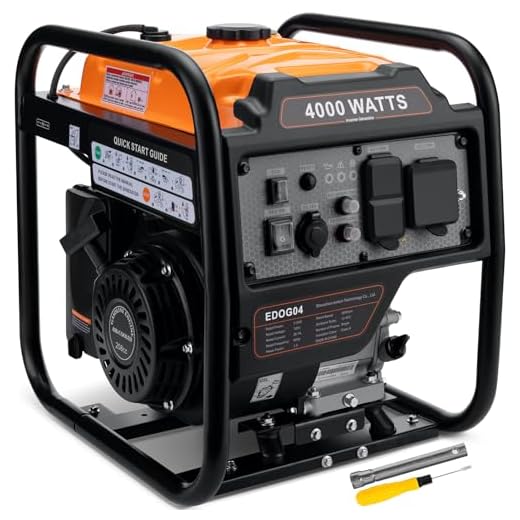
Oxseryn 4000W Portable Inverter Generator
I see this as a strong budget option for users who need middle‑range power without high brand premiums. It covers many RV and home emergency needs, though long‑term reliability is less proven than established brands.
Where it fits
I recommend the Oxseryn 4000W for buyers on a tighter budget who still need a respectable 3,000+W continuous output for RVs, home backup, or jobsite tasks. It hits a useful sweet spot between small inverters and full‑size open‑frame generators.
What I noticed
Because the brand is newer, I recommend doing a full run‑in and a test under load before relying on it in an emergency. Pack basic spare parts and read the manual for break‑in and carb care. For occasional users or as a cost‑effective stopgap, it’s a reasonable choice.
Practical caveats
Final Thoughts
I recommend two clear winners depending on how much power you need. For serious whole-house backup, choose the 12,500W Tri‑Fuel Electric Start Generator. It delivers very high output, runs on gasoline/propane/natural gas, and has the electric start convenience you want for long outages or large homes. If you need to keep essentials, major appliances, and HVAC circuits running during multi-day outages, this is the practical, heavy‑duty choice.
For quiet, ultra‑reliable portable power, pick the Honda EU2200i 2200W Quiet Inverter Generator. Its proven durability and whisper‑quiet operation make it ideal for sensitive electronics, small‑home or partial‑home backup, and regular use around the house or campsite. If you want dependable, low‑noise power for refrigerators, routers, medical devices like a CPAP, and laptops without fuss, this is my top pick.





Great roundup — thanks! I’ve been eyeing the Honda EU2200i for months. I love that the verdict highlights quiet operation; I have neighbors close by so noise matters.
Quick question: anyone here run a small chest freezer and a fridge on this model simultaneously? I’m trying to decide between the Honda and the Jackery HomePower 3000.
Thanks Emily — the Honda is excellent for sensitive electronics and small appliances. It can usually handle a fridge + small chest freezer for startup surges, but check combined starting watts. The Jackery gives longer silent run if you want emissions-free operation.
I run a fridge + small chest freezer on a Honda EU2200i at my cabin. It handles the startup but you might see the load bounce a bit. If you have a larger freezer, consider a higher-output unit.
I own the Champion 2000W ultralight for backpacking and it’s been solid. Super lightweight and dual-fuel is a killer feature. If you’re a camper this is excellent.
Only downside: can’t run too many things at once.
I usually bring small propane canisters for convenience and safety. Gas is fine but a messier setup on the trail.
Which fuel do you prefer for camping, propane or gas?
Sounds like a good match for your use case. The roundup’s badge points to ultralight portability for this model.
WEN 56200i was my budget choice for weekend trips. For the price it’s fine — clean output for my compressor and a mini-fridge. Don’t expect Honda-level longevity tho.
Be careful with aftermarket parts — some cheap carbs/gaskets can cause headaches down the road.
Same here. For light occasional use WEN’s a steal. Just do oil changes and it’s fine.
Agreed — WEN is a great entry-level inverter. Good maintenance practices extend life significantly.
Jackery HomePower 3000 looks tempting for silent operation, but 3072Wh seems low if you want to run a heater. Anyone used it for overnight heating or just essentials?
Correct — battery solar stations excel at silent, clean power for essentials. For heating, a fuel-based generator (like the Champion or Westinghouse mid-size) is more suitable.
Daniel — I have the Jackery 3000. It’s great for fridge, lights, and phone/laptop charging. Not practical for continuous electric heating (too much draw). Use it more for essentials and pair with solar if you can.
Also remember battery capacity degrades a little over years. Consider true watt-hour needs before relying on it for heating.
Funny story: I tried to parallel two cheap inverters once to run a mini-split. Ended with sparks and a very embarrassed me. 😂
Moral: read the manual and don’t improvise with mismatched units. Buy a unit sized for your needs.
Sparks aside, paralleling matched inverters saved me during a long outage. Just do it right.
Exactly — parallel capability is model-specific. Always follow manufacturer guidelines.
Oof! Sounds dangerous. Glad you’re ok. Parallel setups can work but need identical models and proper cables.
2800W generic inverter: I’m curious how it compares to the Westinghouse 2550. The review mentions qc issues — are those common? I like the price but nervous about returns and support.
Generic models often have QC variance — sometimes you get a perfect unit, sometimes you get a lemon. If you can buy from Amazon Prime and test ASAP, returns are easier.
Good strategy: buy from a seller with easy returns, test full load right away, and register warranty if available. The 2550 has a stronger track record.
I really appreciate that the roundup included a range from ultralight to heavy whole-house options. Makes it easier to match needs vs budget. 👍
One small nit: would love a quick comparison table for runtime @50% load next time.
Yes please — runtime tables and typical loads (fridge, pump, heater) would be super helpful.
Great suggestion, Priya — we’ll add a runtime comparison in the next update. Thanks for the feedback!
I find champion’s smaller 2500W dual-fuel super handy for camping and tailgates. Quiet tech is legit and running propane is so convenient.
But FYI — it’s still noisy if you’re right next to it. Not silent like Jackery, obv. 🙂
Does the 2500W model handle small A/C units? Thinking of using it for an RV rooftop unit.
Good point — check your RV A/C starting watts. The roundup’s ultralight models are best for essentials and small appliances, not big HVAC.
Brian — it might struggle with larger RV A/Cs (high starting amps). For small rooftop A/Cs check surge vs running watts. Some people parallel two inverters for extra surge, but that’s a pain.
Okay, silly question: can you run these generators in a two-car garage with the doors open? I worry about CO even with CO Shield/CO-Minder tech.
Yes — outside only. Learned the hard way watching a neighbor’s CO alarm go off (no injuries thankfully).
Don’t run generators inside garages even with doors open — CO can accumulate. Always run them outdoors, away from windows/vents. The safety tech helps but doesn’t replace proper placement.
Anyone compared the two Westinghouse models on this list? The 9500 peak and the 2550 inverter seem aimed at different users, but how noisy is the 9500 really?
I’m leaning toward the 9500 for transfer-switch capability but worried about sound.
The roundup notes the 9500 as a strong mid-size whole-house option — louder than inverter models but gives more reliable heavy-load output. Sound reduction enclosures and placement help a lot.
I had the 2550 for camping and it’s whisper-quiet. The 9500 is louder (it’s a much bigger engine) but not intolerable if placed away from the house. If you need whole-house loads, go 9500.
Quick tip for anyone leaning to battery backups like the Jackery: make sure you have a plan to recharge (solar + panels or car alternator). Otherwise the convenience disappears fast.
Yes — pairing battery generators with solar extends autonomy and keeps them practical for extended outages.
Agreed. I added an extra solar panel kit and it doubled our useful run time during a cloudy week. Worth the investment.
I bought the Champion 12,500W tri-fuel last winter and it saved us during a week-long outage. We ran the furnace, a few lights, and the well pump with no problem.
Pros: tri-fuel is legit, electric start is so worth it. Cons: it’s heavy and LOUD — not for quiet neighborhoods. Overall super happy though!
Thanks for sharing Maria — noise was my worry too. Did you ever run it on propane? I’m curious about runtimes.
Daniel — yes, I used propane mid-week. Runtime was decent but a bit shorter than gas. Still saved us when gas was hard to get. 👍
Glad it worked out, Maria. Good tip about noise — the roundup’s badge calls that model best for heavy whole-house backup, not quiet neighborhoods.
Does anyone have a recommendation for a quiet gas option under $1000 that can handle a fridge + sump pump? I like the Honda but ouch the price.
For under $1000, the Westinghouse lineup or some Champion models are solid choices. Check peak vs running watts for sump pumps — they need strong surge capacity.
Maybe the Westinghouse 9500? It’s bigger than $1000 sometimes, but sales happen. Otherwise look at the Oxseryn or bigger Westinghouse models on sale.
Also consider used premium units if you’re on a budget — a well-maintained Honda can be a bargain second-hand.
Saw the Oxseryn 4000W on sale and nearly pulled the trigger. The review calls it a budget 4,000W option — anyone with real-world experience? Reliability rumors make me nervous.
I used an Oxseryn for a summer of projects. It worked fine but I treated it like disposable tech — didn’t expect decades of service. Good for occasional backups.
Oxseryn is positioned as budget-friendly with decent specs. If you need long-term reliability and heavy daily use, established brands are safer bets.
Also check warranty and local service options before buying cheaper brands — that saved me headaches later.
Minor nitpick: the 2800W entry didn’t list brand/model — I had trouble finding it on Amazon. Anyone know the exact listing name or seller? Might help others.
I think it’s a generic ‘2800 Watt inverter generator’ listing, many third-party sellers use similar titles. Search by specs (2800W, inverter, EPA compliant) and filter Prime.
Thanks for flagging, Jessica. We’ll add a direct Amazon link and clearer seller info in the article update to reduce confusion.
If you can’t find it, consider the Westinghouse 2550 as an alternative — similar noise/weight profile.