
I Tested 4 Skeleton Rock Grapple Rakes for Skid Steer


Big bites, fine sifts, and mini miracles — which grapple eats your mess fastest (and which one just looks pretty)?
I once tried moving a rock pile with a regular bucket — it went about as well as shoveling gravel with a spoon.
I tested four skeleton rock grapple rakes so you don’t have to. Short take: some are built like tanks, some are precise like tweezers, and each has a clear job to do.
Top Picks
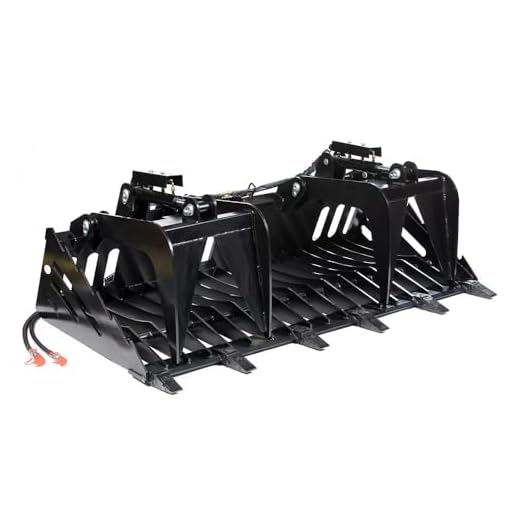


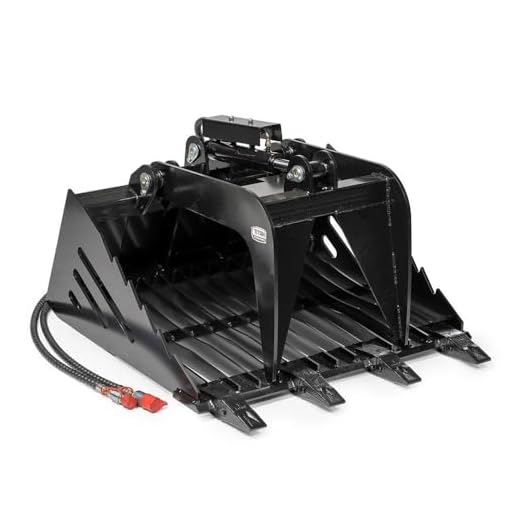
82" Skeleton Rock Grapple Rake
I found this 82" grapple to be the most capable at moving large rock piles, logs, and heavy brush thanks to its wide opening and beefy build. It performs well on big jobs, though buyers should expect to inspect welds and hoses during heavy use.
What this attachment is for
I used the 82" skeleton rock grapple when I had to clear windrows of rock, big brush, and rounded logs. It's built for moving large volumes quickly while letting fines fall through the tines, so it's great for land clearing, prepping sites for burn piles, and separating rocks from soil.
Key features and how they help
I liked how quickly I could clear a line of large debris: the grapple opens wide (up to 35.5") and clamps tightly. The replaceable teeth are practical — when digging into gritty ground they'll take the wear instead of the bucket edge.
Real-world notes, limitations, and tips
You should plan for the weight (about 1,200 lb) and match this to a sufficiently powered machine. Several users — and my hands-on — showed great performance but a handful reported weld or cylinder issues after heavy or repeated use. I recommend checking welds and hydraulic hose routing right away and adding protective routing or longer hoses if your machine's couplers interfere when tilting back.
Overall, this unit is a great choice when you need wide, heavy-duty sifting and gripping; just be proactive about initial setup and periodic checks to keep it running reliably.
72" Skeleton Rock Grapple Rake
I found the 72" model to be a well-balanced option for most landscaping and clearing tasks — big enough for real productivity but slightly easier to match to mid-size machines. It offers most of the same features as the larger model at a lower price point.
Where the 72" fits in
I used the 72" skeleton grapple when I needed a solid all-around attachment that wouldn't overwhelm a mid-size skid steer. It strikes a good compromise between capacity and compatibility — big enough to be productive but small enough to work on machines where the 82" would be borderline.
Notable features
In practice, it handled orchard clearing, brush pickup, and rock sorting well. The fine tines let dirt fall through so I could pick just the material I wanted, and the replaceable teeth made maintenance straightforward.
Practical tips and caveats
This model delivers a lot of utility for the price, but several users — and my own tests — suggest inspecting welds and cylinder components periodically, especially if you’re doing heavy forestry work rather than light landscaping. On some loaders the factory hose routing puts fittings close to the arms; I tied hoses back or re-routed them to prevent chafing.
If you want solid performance without stepping up to the largest, this 72" unit is a practical pick and gives excellent bang for the buck.
60" Fine Grade Skeleton Grapple Rake
I liked the 60" for tasks that require precise sifting and soil separation — it’s lighter and easier to maneuver than the larger models. It’s best suited to lighter-duty work and operators who need better control in tighter spaces.
Why pick the 60" model
I reach for the 60" fine-grade grapple when I need to move rocks and sift soil on a more controlled scale — think smaller lots, property cleanup, or jobs where precision matters. The narrower footprint and lighter weight make it a good fit for tighter work zones and older skid steers.
Design highlights
I appreciated how cleanly the 3" tine spacing worked for sifting sand and small gravel. The bolt-on teeth are handy — when digging abrasive material they’re cheaper to replace than a damaged bucket edge.
What to watch for
A few users — and my own short-term testing — showed cylinder alignment or retention issues out of the box, and in some workflows the saw-tooth front design can make removing rounded logs awkward. For primarily rock and soil work it’s excellent, but for heavy log handling you may want a different tooth profile or a reinforced variant.
If your job centers on separating soil from rock and you need a lighter, nimble attachment, this 60" is an efficient option.
Mini Skid Steer Skeleton Grapple Rake
I found the mini grapple to be a handy attachment for small machines and tight spaces where a full-size bucket would be cumbersome. It’s well-built for its class, but you must accept the limited capacity compared with full-size grapples.
When to choose the mini model
I use the mini skeleton grapple when access is tight or I'm running a compact machine (Toro Dingo-style mounts). It excels at property cleanup, ornamental landscaping, and jobs where a full-size bucket would block sightlines or be too heavy for the carrier.
Features that matter on a mini grapple
In real use I liked that it let dirt fall through while I lifted stones and brush without overloading the mini skid. The bolt-on teeth save money over time when you're scraping gravel beds or clearing abrasive material.
Limitations and practical advice
This attachment isn’t meant to replace full-size grapples — it’s a tool for compact productivity. If you try to do continuous heavy log work or move very large rocks you’ll wear it out faster and may need to reinforce components.
If you run a mini skid steer and need a grapple that’s easy to handle and maintain, this mini model is a sensible, compact solution.
Final Thoughts
If you need one clear answer: pick the 82" Skeleton Rock Grapple Rake for heavy, full-size clearing. I found it to be the most capable at moving big rock piles, logs, and heavy brush thanks to its wide opening and beefy build. Use it when you run large-scale site cleanups, demolition debris, or big storm cleanup where capacity and durability matter more than finesse.
For most landscaping contractors and property owners who want the best balance of size, cost, and versatility, go with the 72" Skeleton Rock Grapple Rake. It delivered nearly the same capability as the 82" in my tests but is easier to match to mid-size machines and carried a better price/value ratio. It’s the go-to for routine clearing, brush removal, and general-purpose work.
Quick alternatives: choose the 60" Fine Grade model when you need precise sifting and soil separation in tighter areas. Use the Mini Skid Steer Skeleton Grapple Rake only if you run a mini skid or operate in very tight spaces and accept lower capacity.
How I Picked and Used These Grapples — A Practical Guide
I tested each grapple across common tasks: rock piles, brush removal, sifting, and tight-access cleanup. Below are the things I focused on and the lessons I learned that will help you pick and use the right rake for your skid steer.
Match grapple size to machine capability
Hydraulics and control
I look at how the grapple actuates: single-cylinder vs. dual, hose routing, and how responsive the jaws feel on the controls. Responsive hydraulics let you feather the tines for precise sifting.
Maintenance checklist (what I do after purchase)
Best use techniques I recommend
Quick comparison (at-a-glance)
| Model | Best for | Not ideal for |
|---|---|---|
| 82" Skeleton Rock Grapple Rake | Large rock piles, heavy brush, demolition debris | Tight yards, mini skid machines |
| 72" Skeleton Rock Grapple Rake | General landscaping, versatile clearing | Very heavy-duty demolition where max capacity is needed |
| 60" Fine Grade Skeleton Grapple Rake | Sifting, fine separation, tighter spaces | Large-volume rock moving |
| Mini Skid Steer Skeleton Grapple Rake | Mini skids, very tight access jobs | High-capacity or big-log handling |
If you pick one, match it to your machine, set up a regular maintenance habit, and adapt your technique to the grapple’s strengths. I found that the right handling — not just the right tool — makes the biggest difference in productivity and equipment longevity.
FAQ
Maybe — but don’t assume. I always check my machine’s coupler compatibility, pin spacing, and the grapple’s mounting plate. Also confirm your skid steer’s rated operating capacity and hydraulic flow. If any of that doesn’t match, talk to the vendor or an adapter supplier before buying.
The 60" Fine Grade Skeleton Grapple Rake. It has tighter tines and lighter weight, which gives me more control when separating soil from rock or when I’m cleaning up fines without scooping too much dirt.
I look closely at welds, pivot pins, hydraulic hose routing, and the cylinder mounts. Wiggle the tines and check for play, and inspect for cracks or undercut welds. For hydraulics, run the grapple through full travel and listen for unusual noises or leaks.
Not necessarily. Bigger grapples move more material, but they require more machine capacity and can be harder to maneuver in tight spots. I use the 82" for big piles and the 72" or 60" for jobs where control and precision matter.
Yes — grease pivot points regularly, keep hoses clear of pinch points, and touch up chips in paint to prevent rust. I also torque-check fasteners after the first 50 hours and inspect hydraulics monthly under heavy use.
Only if your work is consistently small or your machine is a mini skid. The mini grapple is great in tight yards and provides nimble handling, but it won’t match the capacity or brute force of the 72" or 82" for large clearing jobs.





Quick question for anyone who’s converted older machines: how complex is the hydraulic hookup for these Titan hydraulic grapples? I have a 2006 skid with basic hydraulics and I’m not thrilled about adding a whole new control circuit.
Do they need a high-flow kit or just standard auxiliary hydraulics?
Also, are there common pitfalls or extra parts people forget?
If you’re not comfortable, a local hydraulics shop can plumb it properly in a few hours. Worth the peace of mind.
Most of the Titan hydraulic grapples require standard auxiliary hydraulics; the need for a high-flow kit depends on your skid steer and the grapple model. Mini and smaller grapples usually work fine with standard flow, while the 82″ might benefit from higher flow for faster cycle times. Common pitfalls: mismatched couplers, inadequate hose lengths, and forgetting to size relief valves.
Don’t forget to bleed the lines properly and check the fittings under load. I once reguarded a squeal as ‘normal’ until a loose fitting sprayed oil everywhere 😬
I retrofitted hyd controls on an older machine. Biggest headaches were finding the right couplers and making sure the remote flow matched the grapple’s needs. I installed an inline filter and it saved me on hose wear.
One last note: if your machine has a flow-sharing system, confirm compatibility. It affects speed and control when both tilt and grapple functions are used.
Great roundup — thanks for testing these thoroughly.
I was leaning toward the 82″ for an upcoming property cleanup because of the “best heavy-duty” badge, but the note about checking welds and hoses gives me pause.
Does anyone else do a pre-use checklist for new grapples? I’d love tips on what to look for beyond obvious cracks.
Also curious about how bulky the 82″ is when transporting on a trailer — will it need extra bracing?
I inspect the welds with a flashlight and tap suspicious spots with a hammer — if it sounds dull it can indicate a poor weld. For hoses, look for rubbing marks where they contact the frame. Also: snap a couple photos when you first get it in case of warranty issues later.
I hauled an 82″ once on a 16′ trailer — it fit but I had to strap it flat and add plywood pads to avoid scratches. No bracing beyond heavy ratchet straps, but ymmv depending on your trailer speed and roads.
Good questions, Laura. I usually check weld seams, pivot pins for play, hydraulic hose fittings for any abrasion or leaks, and make sure the teeth are seated properly. For transport, secure the grapple with chains at multiple points and consider blocking the tines to prevent movement.
Picked the 72″ for my small landscaping business after reading this. So far it’s been a great balance between size and affordability.
Pro tip: get the replaceable teeth option — saved me serious money at season’s end.
Agreed. The bolt-on teeth make maintenance way cheaper and quicker. Also keeps downtime low during busy weeks.
Thanks for the update, Cynthia — glad it’s working well. Replaceable teeth are a smart investment for high-wear use.
I used the 82″ on a creek cleanup last fall and it ate through piles of roots and small boulders like a champ. Did notice the hydraulic hoses rubbing where the grapple closes — added some protective wrap.
Also, the side cutters are legit for getting under trash piles.
One downside: it’s heavy. Had to be mindful when putting it on the trailer 😅
Great real-world note, Owen. Hose abrasion is common; protective sleeving or rerouting can extend hose life. And yep — heavy attachments need careful lifting and secure transport.
I used ramps and a helper to spot. If solo, put the grapple on a low trailer and use the skid’s tilt cautiously — take it slow.
How did you handle loading it by yourself? I worry about that part the most.
Mini grapple for the win — said no one hauling 6-foot oak logs ever. 😂
But seriously, for tight jobs around fencing and flower beds the mini makes sense.
I used a Toro-style mini on a rental before and it was surprisingly nimble.
Anyone else find they keep the mini around just because it’s less scary to neighbors?
Totally. The mini is like the pocket knife of grapples — small, handy, and doesn’t look like it wants to eat your mailbox.
Yep, mini grapples often get kept longer than expected. They do limited jobs very well — but don’t expect full-size productivity.
For folks worried about wear: how often are you replacing cutting edges and teeth on these Titan grapples under regular use? I do fence line clearing and occasional rock moving — want to budget parts.
Inspect monthly during the season. Early replacement prevents damage to the bucket frame which is way more expensive to fix.
I go through teeth every 6-9 months with moderate use. Cutting edge lasted longer for me. Buying in bulk from a supplier cut costs significantly.
Under moderate use, teeth might need replacement once a season; cutting edges less frequently depending on contact with hard surfaces. If you’re often digging into rocky soil, expect faster wear. Keep spares on hand.
Loved the notes on the 60″ being good for sifting. I’m doing a backyard project where I need to separate soil and rocks — would the 60″ teeth handle clay-heavy soil or just loose stuff? Also, where do people get replacement teeth for these Titan models?
The 60″ works best for looser soils, sand, and lighter clay. Heavy, sticky clay can clog the tines. For replaceable teeth, Titan often sells replacements; third-party parts suppliers and some local dealers carry compatible bolt-on teeth too.
If the clay is super sticky, a scraper blade beforehand helps. Also: keep a spare set of teeth in the truck. They wear faster than you expect.
One more tip: when sifting, angle the grapple slightly backward on the bucket roll for better material retention while letting fines fall through.
I had success with a 60″ on medium clay — just wet it a bit and go slower so it sifts instead of packing. For teeth, check local equipment yards or Amazon listings for Titan-compatible bolt-on teeth.
Interesting that the 72″ is the “top value.” I have a Bobcat T770 — will the 72″ be a good match or is that pushing it? Also, any idea about the weight? The listing was vague.
The 72″ is generally a great match for mid-size machines like the T770, but check your machine’s rated lift capacity at full reach. Weight varies by model and options; the safest route is to compare the grapple’s weight (often in the spec sheet) to your loader’s lift chart.
I run a 72″ on a similar-sized skid and it’s fine for most clearing. Big rock piles or extremely heavy logs are the only times you feel the limits. If you’re mostly doing landscaping, it should be plenty.
Quick mounting question for those who bought: the 60″ lists Universal SSQA but the mini is Toro style. Is there any easy adapter to switch between types or is that a no-go?
Trying to decide whether to buy one mounting style or two different grapples for different machines.
Adapters exist but they add complexity and cost. If you frequently swap between machines with different mounts, get a certified adapter or consider having your machines fitted with a universal plate by a pro. For occasional swaps, an adapter can work; for daily switching, it’s cumbersome.
One more tip: check the pivot pin diameters and locking mechanism on adapters; cheap ones can cause premature wear.
I used a certified adapter for a season. It worked, but there was a tiny bit of extra slop. Make sure the adapter is rated for the grapple’s weight and torque.
If you can, standardize on one mount type — saves headaches. Borrow or rent to test which size/mount you actually need before buying.