


Ten grapples, one impatient operator — which ones held the rocks and which ones held my temper?
I bought 10 rock grapple buckets. Some were beasts. Some were bargains. I put each one through real dirt, roots, and rock piles to see which actually did the job and which just looked tough on paper.
I tested for strength, sifting performance, hookup quirks, and real-world durability. Expect short notes on what worked, what needed tweaks (hoses, counterweight, or shipping fixes), and who should buy which tool for which job.
Top Picks


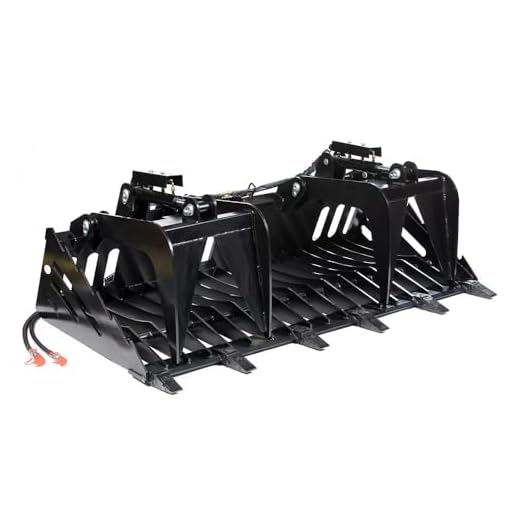
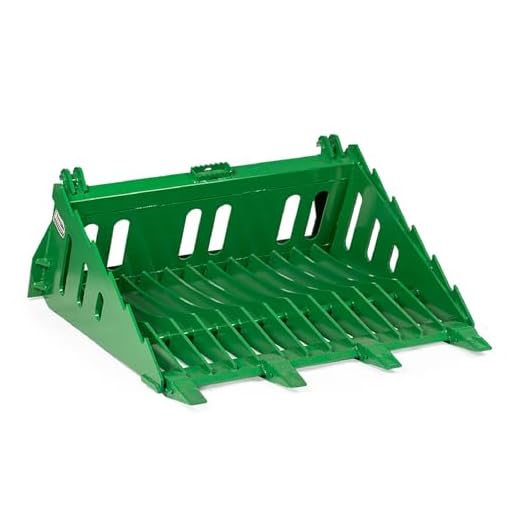


72-inch Grade 50 Skeleton Rock Grapple
This Grade 50 72" skeleton grapple combines strength and fine-grade performance — it holds large material while allowing soil to sift through efficiently. It’s an excellent choice for professionals who need consistent results and robust construction.
Solid professional-grade construction
I recommend this 72" Grade 50 skeleton grapple when you want a heavy-duty tool that won’t give up under continuous use. Grade 50 steel elevates durability and resists wear in rock, root, and demolition work.
What makes it perform well
I used this grapple on multiple clearing jobs and appreciated how the reinforced edges kept their shape after repeated impacts. The dual jaws make it easy to clamp and move odd-shaped items without losing material while shaking or traveling.
Who should buy it and why
If you need premium build quality and fine-grade capability together, this model delivers. Expect to factor in transport logistics and machine compatibility due to its size and weight.
72-inch Skeleton Rock Grapple Rake
I found this 72" skeleton rake to be extremely rugged and ideal for heavy clearing and landscape prep. The hydraulics and dual grapple action give excellent control, though watch for shipping damage and check cylinder hoses on arrival.
Why I liked it
This 72" skeleton rock grapple is one of the most robust attachments I used — it’s constructed from thick alloy steel and has the kind of heft that inspires confidence when pulling roots, shaking dirt from brush, or sifting large amounts of material. The fine-grade tines do a great job separating soil from rocks.
Standout design points
In practice, the dual grapples make a noticeable difference. I can clamp a load, shake the bucket to let dirt fall through, then carry a clean pile of rocks or firewood without losing much material. That shaking action is genuinely useful when prepping land for planting or burning.
Limitations and tips
If you want a premium, heavy-duty grapple for frequent clearing and sifting tasks, this model is near the top of the list. Just plan for a robust mounting platform and inspect hoses upon delivery.
60-inch Fine Grade Skeleton Grapple Rake
I appreciated the deep-well skeleton frame and narrow 3" tine spacing — it does a great job holding rocks while letting dirt fall through. It’s heavy-duty and built for repeated, tough use, though setup and hose routing may require some adjustments.
What this attachment does
I use this 60" skeleton grapple when I need to separate rocks from soil or sift debris from sand — it’s designed to let soil fall through while keeping the larger material secure. The deep-well dam and 3" spaced tines make it ideal for fine-grade cleanup on driveways, planting beds, and jobsite prep.
Key features and how they help
I found the replaceable teeth useful when working in rocky ground — swapping worn tips is straightforward. The dual-jaw opening gives you flexibility: clamp small brush or hold large rocks when moving loads.
Real-world benefits and limitations
On the downside, the hydraulic cylinders and hose routing can be finicky out of the box — I had to re-route hoses and take care with cylinder placement to avoid interference with machine arms. If you don’t mind a little setup work, it’s a very capable fine-grade grapple.
Practical tips from my testing
Overall, this is a dependable sifting grapple for anyone who needs consistent fine-grade separation and heavy-duty performance.
82-inch Skeleton Rock Grapple Rake
When I needed to clear large areas and shake roots free, this 82" grapple was outstanding — it’s built for heavy workloads and long hours. The size and strength make it ideal for orchards and large acreage, though hose length and routing need attention out of the box.
Who this is for
If you’re clearing orchards, fence lines, or large rural properties, the 82" skeleton grapple gives you wide coverage to reduce the number of passes. I used it to shake roots and separate debris across larger plots, and the width made a real time-saver.
Build and performance highlights
In the field I appreciated the shaking ability — clamp, shake, and the dirt falls through while logs and rocks stay put. However, the hydraulic hoses shipped a bit short for my preferred routing, so I re-routed them with longer lines and protective sleeves to prevent rubbing on the shields.
Practical advice
For large jobs the extra width and strength are worth the extra logistics; this one’s a workhorse when you need to move a lot of material quickly.
48-inch Fine Grade Skeleton Rock Bucket
This 48" skeleton rock bucket is a compact workhorse that sifts well and is easier to handle on subcompact tractors. It’s sturdy and reliable, but be prepared to manage shipping logistics and ensure adequate counterweight on smaller machines.
Why this size matters
I liked the 48" skeleton rock bucket because it strikes a balance: small enough for many compact tractors yet effective at sifting and moving rock and debris. For homeowners and small acreage operators, it’s a very practical size.
Construction and performance
In practice it handled small boulders and mixed debris well — I made fewer passes when prepping a driveway than with a standard bucket because the sifting action saved me sorting time. The bucket is heavy relative to its width, so I recommend adding rear counterweight on very small machines.
Practical tips
Overall, this 48" rock bucket is a tidy, hard-working option for fine grading and rock removal when you don’t need maximum width.
72-inch Heavy-Duty Rock Grapple Bucket
This 72" rock grapple balances cost and capability — it’s built to handle rocks, brush, and logs while filtering dirt effectively. Expect solid performance for land clearing, though you should verify hose fittings and carrier compatibility before purchase.
Overview
I reached for this 72" rock grapple when I needed an affordable, heavy-duty solution for site cleanup. It’s designed to sift and separate rocks from dirt while giving you the strength to lift logs and heavier debris thanks to a 4000 PSI rating.
Notable features
In the field the tine spacing was a good compromise — small pebbles fall through while larger rocks and roots stay captured. The hydraulic cylinders felt stout and responsive when paired with a properly sized machine.
Benefits, limits, and usage notes
Make sure your quick-tach and hydraulic couplers match the bucket’s fittings; I double-checked fitment before mounting to avoid downtime. For landscapers and small contractors, this bucket gives good performance without breaking the bank.
Bolt-On Bucket Grapple Conversion Kit
This bolt-on grapple is a smart way to convert a standard bucket into a grapple without welding. Installation is straightforward for someone with mechanical aptitude and a hoist; the kit gives solid functionality at a lower cost than buying a dedicated grapple bucket.
What this kit does
I used this bolt-on grapple to turn my standard bucket into a capable grapple without buying a full replacement bucket. The kit includes a top bar, single grapple, mounting plates, and hardware — you drill the provided template holes and bolt it in place.
Features I appreciated
Installation was manageable but definitely easier with a hoist or two people — one reviewer noted the unit’s weight and lack of detailed instructions, so plan accordingly. I also had to source an adapter for the hydraulic fittings on my tractor, which is common with bolt-on kits.
Practical considerations
Overall, this kit is a cost-effective, practical solution for adding grapple capability to an existing bucket, provided you’re comfortable with a bit of mechanical work during installation.
72-inch Quick-Tach Rock Grapple Rake
This quick-tach 72" grapple rake is a solid, versatile tool for landscaping and large-scale tasks. It hooks up easily to many machines and performs well on debris removal and sifting, although it’s somewhat heavy and best suited to mid-to-large carriers.
What I used it for
I used this 72" quick-tach grapple for cleaning brush, moving piles of rock, and prepping sites for seeding. It connects to most front slip devices thanks to a slip-link structure, which made swapping between machines easier during a busy day on multiple properties.
Construction and features
The replaceable teeth saved me time — after hitting a patch of compacted rock I swapped a worn tip in about 20 minutes and continued work. The quick-tach hookup reduced downtime and made it practical when I had multiple loaders on the job.
Pros and trade-offs
If you need a reliable mid-priced grapple that will see daily use, this one is worth considering. It won’t feel light, but it gets the job done and holds up to rough work.
72-inch Heavy Duty Rock Rake Grapple
This 72" professional-series rock bucket is a budget-friendly solution that offers universal quick-tach mounting and tight 2" tine spacing for small-rock sifting. It’s a solid choice for contractors looking for economy, though heavier-duty work may wear it faster than premium models.
Practical and economical
I tested this 72" rock bucket as a cost-conscious alternative for frequent rock-sifting tasks. The universal quick-tach plate made swapping between skid steers quick, and the 2" tine spacing did a good job picking out small rocks without clogging.
Key details
For everyday contractor work like driveway prep and site cleanup it’s a strong contender. If you plan to do heavy demolition or consistently move large boulders, consider upgrading the cutting edge or opting for a heavier-alloy bucket to reduce wear.
Final thoughts
If you need a no-frills 72" rock bucket that mounts easily and sifts well, this model delivers good value for the price.
72-inch Root Grapple Bucket Rake
At 72", this root grapple is reasonably priced and agile for many loader tasks — it’s lighter than some competitors and performs well for roots and moderate debris. Expect a tougher time with very large rocks or heavy brush piles.
General impressions
I used this 72" root grapple on smaller clearing jobs and liked that it felt more manageable than the huge skeleton buckets. At around 511 lbs, it’s a solid middle-ground option that still brings double cylinders for better grip control.
Features worth noting
In day-to-day use it handled roots, small stumps, and brush well; however, I’d avoid trying to use it continuously on big field rock — that’s where heavier, thicker-alloy buckets excel. The compact weight is a definite plus on smaller skid steers.
Use cases and caveats
If you want a capable root grapple without the full weight of industrial units, this one provides a useful compromise between cost and capability.
Final Thoughts
My clear top pick is the 72-inch Grade 50 Skeleton Rock Grapple. If you want reliability, precision sifting, and a tool built to last day after day, this is it. It holds big material while letting soil fall through and the Grade 50 steel gives real toughness. Buy this if you’re a professional or anyone clearing rocky ground regularly — pair it with a mid-to-large carrier and standard hydraulic hookups for best results.
If you want strong performance without the premium price, the 72-inch Heavy-Duty Rock Grapple Bucket is the best value. It handles rocks, brush, and logs well and is ideal for contractors doing land clearing who need solid capability on a budget. Before you buy, confirm hose fittings and carrier compatibility so you can get to work right away.





Quick question: is the Titan 72 skeleton bucket compatible with John Deere Hook & Pin tractors as the listing says? I have a 4-year-old John Deere loader and want to be sure before ordering.
Yes, the Titan 72 Grade 50 skeleton rock grapple bucket is listed as fitting John Deere Hook & Pin tractors. Still check the hook/pin specs for your model year and measure the mount before ordering just to be safe.
Great roundup — thanks for testing all these. I was mainly curious about the Titan 72 Grade 50 skeleton bucket you called the top pick. Does it need any reinforcement plates if you’re doing a lot of rocky ground, or is the Grade 50 steel enough on its own? Also, any tips on transport for the 72″ size?
Good question — Grade 50 is plenty tough for most pro use, but if you’re flipping very large, angular boulders frequently, some users weld on extra edge guards. For transport: tie it down low, protect the tines, and check local width rules for the 72″ (some states treat it as over-width).
I’ve hauled a 72″ Titan on a tilt trailer flatbed before — cross-chains and edge protectors are key. Also, weight distribution matters; put it as close to the trailer axle as possible.
I’ve used the Grade 50 for a season and it held up great. Only thing was the replaceable teeth — keep spares in the truck, they wear faster than the bucket body.
Okay long rant incoming — hope it’s useful.
I bought a Titan 72 skeleton rake a year ago after reading similar reviews. Pros: it eats through brush, sifts dirt well, and the side cutters saved my edges a few times. Cons: shipping was a nightmare with delays and I had to reorder a hose fitting. Customer service was patched together but eventually sorted. I learned a few things:
– Always inspect hydraulics before first use.
– Keep an installation checklist (bolts, pins, clips, hoses, grease).
– For landscaping business owners: buy a second set of replaceable teeth to avoid downtime.
Not trying to be negative — overall very happy — just wanted to share the operational lessons. 🙂
This kind of operational detail is golden for readers — thank you for sharing. The checklist idea is something we’ll add to a future update of the article.
Megan — do you run an extra set of teeth on-site or in a vehicle? How many spares do you keep?
Grace: I keep 8–12 teeth per size in the trailer, plus 2 spare cylinders for critical jobs. Overkill? Maybe. Saved several jobs though.
Did you have to modify the tine spacing or anything? Or it came as-is?
Isabella: came as-is. I considered welding extra tines but decided against it — regular maintenance did the trick.
Anyone had luck converting a standard bucket with the Titan bolt-on grapple? I’m tempted to avoid buying a whole new bucket. Curious about long-term durability compared to a dedicated grapple bucket.
Bolt-on is a clever, cost-effective solution. Long-term it’s fine if installed correctly — you might see more wear at the bolt interfaces over many years compared to a welded dedicated grapple, but replaceable parts help.
Grace — depends on the bucket geometry. My dump angle was slightly reduced but not a deal breaker.
Installed the bolt-on on a 66″ bucket 2 years ago. Still solid. Just re-torque bolts every 50 hours and inspect weld points.
How’s the clearance with the bolt-on when dumping? I had a friend who said it catches sometimes.
I was unsure about teeth replacement on the Titan attachments — are the replaceable teeth easy to find on Amazon, or do you order directly from Titan? Any part numbers to watch for?
Most replaceable teeth for Titan models are available through Titan dealers and many aftermarket sellers on Amazon. Double-check part compatibility with your exact bucket model size before ordering.
I actually swapped hoses and fittings on a Titan 72 after delivery — small dent in transit but seller replaced the damaged shroud fast. Quick reminder: take photos at delivery to make claims easier. Oh, and keep spare pin clips — they disappear like socks 😆
Haha yes pin clips are the worst. Where do you keep spares? I taped a handful to inside of toolbox lid.
Megan — toolbox lid is brilliant. I use zip bags labeled by size.
Anyone used magnetic trays? Saved me once during a rainy install.
Photos at delivery are essential — thanks for the tip. And yeah, pin clips are the collective black hole of attachments.
I’m leaning toward the Titan 82 for clearing my orchard — the reviewer said it’s good for large-scale clearing. Anyone here used the 82 in tight rows or is it just too wide?
I used an 82 on a 20-acre orchard with wide rows and it was fantastic. But yes, for narrow spacing I’d go smaller. Maneuverability suffers.
The 82 is chunky — excellent for open rows but tight orchards can be awkward. If your rows are narrow, the 72″ or even the 60″ might be a better compromise.
Noticed the reviewer gave the Wolfequip root grapple a 7.8/7.9 range — has anyone regretted buying it? I’m balancing cost vs longevity.
No regrets from many readers — it’s a good budget choice for moderate use. If you’re doing heavy, daily rock work, expect to upgrade eventually.
I bought the Wolfequip for occasional jobs and it was perfect. For daily heavy rock hauling I’d have spent up to 2x for Titan.
Short and sweet: bought the YITAMOTOR 72 for a landscaping crew — it’s heavy but versatile. Biggest con is the weight for smaller loaders. If you have machine capacity it’s a good all-rounder.
Heads-up: I think the Landhonor 72 is a really good value, but check your quick-attach compatibility. I had to swap a coupler to fit my carrier. Shipping from US stock was fast though. Also, the Titan 60 does excel at fine-grade sifting — I used it for prepping a play area and it left the soil nicely even.
Did you have to reroute hoses for the Landhonor? I remember the review mentioning hose routing issues on arrival.
Good point about couplers — always verify quick-attach specs before ordering. Glad the Landhonor shipped quickly for you.
Also useful to have a hydraulic filter in-line when hooking up a new attachment for the first time.
Quick Q — did the Landhonor arrive dented or ok?
Isabella: minor scuffs but no structural damage.
Noah: yes, a little rerouting and I replaced a clamp. Nothing major.
Long-ish question: I’ve got a subcompact tractor and mostly do landscaping for a small property. The 48in Titan sounds perfect but I’m worried about shipping logistics and the need for counterweight.
– How much extra rear weight did people add?
– Is install straightforward for a non-pro?
– Any maintenance tricks to make it last on a smaller tractor?
Appreciate any real-world tips — I’m nervous about ordering something that ends up unusable for my machine.
Good checklist. For subcompacts people often add 100–200 lbs of rear ballast depending on how much backhoe/loader travel they do. Install is manageable if you have a friend and a small hoist; watch for hose routing. For maintenance: grease pivot points regularly, keep replaceable teeth on hand, and inspect side cutters for chips after rocky days.
I appreciate the inclusion of Wolfequip budget options. For small contractors looking to build a fleet on a tight budget, that 72″ Wolfequip skid steer bucket looks like a solid starter — anyone tested one under heavy use?
It performs well for light-to-moderate workloads. For heavy, continuous rock work you’ll eventually prefer thicker steel of premium models.
I ran one for a season clearing brush and small rocks. Held up fine but tines took a beating on very rocky stretches.
Nice write-up. I liked the notes about checking hose fittings on arrival for the Landhonor and Titan hydraulics. Saved me a headache when I ordered a third-party grapple last year — quick tip: always test the cylinders unloaded before you use it in a pile.
Really helpful review list. A couple of thoughts from my side:
1) If you do a lot of fine sifting for lawns and garden prep, the 60″ Titan fine grade sounds ideal. The 3″ tine spacing is closer than other models.
2) If you’re running a smaller tractor, consider the 48in Titan — compact and surprisingly effective.
3) For quick-tach versatility, the YITAMOTOR and Wolfequip options are budget friendly but remember they’re heavier on the carrier.
Also, a heads-up: if you get the Bolt-on grapple, plan on an afternoon for install with a hoist and an extra set of hands. Worth it if you want to convert an existing bucket without welding.
Do you think the bolt-on affects bucket balance much on a small subcompact? I’m nervous about tipping.
Thanks for the breakdown — that 1/2/3 style is exactly the kind of quick guidance readers like. And totally agree on the bolt-on: hoist + patience = happy install.
Agreed — did the bolt-on with a buddy in 3 hours. Took longer to route hoses neatly than to bolt it on.
Typo? You meant 48″ not 48in? 😉 Just kidding — great advice.
Priya: yes, it adds weight forward. Add rear ballast or use a heavier counterweight if you’re near the max lift of your tractor. Also move loads slowly until you get used to the changed center of gravity.
Funny review, love the sarcasm on the shipping damage line 😄. On a practical note: does anyone prefer the Titan 60 over the Titan 72 for a mix of turf prep and occasional rock clearing? I do more turf prep but want some rock capability.
Thanks — leaning 60 now.
If most of your work is turf prep and fine grading, the Titan 60 (or even 48) will give better finesse. The 72 is overkill for mostly turf work unless you expect frequent larger debris.
60 for finesse, 72 for brute force — depends on your tradeoff between control and capacity.