


Tired of wrestling slopes? Which ditch mower actually makes bank and banks look tame?
Not all ditch mowers are built the same. I’ve spent time with models that chew through thick grass and ones that wobble at the first steep bank. Short story: some are built like tanks, and others need babysitting.
Top Picks


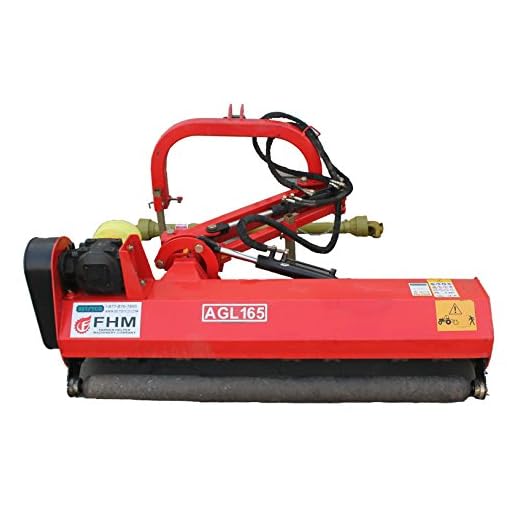
73" VL-AGL Gold Hydraulic Flail
I love this 73" Gold-series unit for large properties and contractors who need premium features like hydraulic flow control and automatic belt tension. It’s built heavy, runs smoothly, and gives excellent mulching and finish across broad swaths.
Why I recommend the Gold series
For large acreage or commercial mowing I nearly always recommend the VL-AGL Gold 73" because it pairs heavy construction with useful service features — automatic belt tension, hydraulic flow control, and a balanced rotor all help reduce downtime and deliver a cleaner finish.
Standout technical points
In the field these translate to smoother operation under load, consistent belt tension, and easier maintenance — all things that add up to less time fiddling and more time mowing.
My real-world impressions
I found the finish and materials to be noticeably more robust than lower-tier machines, and the wide cutting head makes quick work of long verges and ditches. The hinge gate makes blade swaps and rotor checks much faster — a nice convenience when you’re doing daily work.
Practical considerations
Make sure your tractor has the required 45–65 PTO HP and sufficient ballast and lift capacity for safe operation. If you do, the extra cost of this model tends to be repaid by the time saved and lower maintenance interruptions.
57" VL-AGL Hydraulic Offset Flail
I appreciate this model for its hydraulic pivot and premium build; it’s designed for heavier duty jobs and gives excellent control when trimming varied terrain. The combination of hammer and Y-blade options makes it versatile for both brush and grass.
Purpose and positioning
I see the VL-AGL 57" as a step into semi-professional territory — a flail designed to be both rugged and flexible. With hydraulic offset and a balanced rotor, it’s aimed at users who need precision on slopes, verges, and ditches while maintaining mulching performance.
Key features I rely on
Those details lead to a dependable cut and easier service access. The blade overlap avoids gaps in the mowing swath which I found important when trying to get an even finish along banks.
Benefits and user experience
The hydraulic offset is where this model shines — I could swing the head under trees or reach further out from the tractor without repositioning repeatedly. The rear hinged gate simplified blade changes and inspections, and the multiple blade choices meant I could switch from aggressive clearing (hammers) to finer grass work (Y-blades).
Limitations and practical notes
The unit is heavy and expects a tractor capable of 35–65 PTO HP depending on conditions, so weigh that against your tractor’s lift and ballast. It's not the cheapest flail on the market, but if you need hydraulic movement and a robust housing the cost can be justified by the time saved and the better finish.
48" VL-AGL Silver Flail Mower
I like this 48" VL-AGL for its balanced size and strong construction; it’s big enough to be productive but still manageable on many tractors. The hinged rear gate and precise blade overlap mean a good finish and easier upkeep.
Where this fits in my toolkit
I consider the 48" VL-AGL Silver an excellent mid-size flail that will suit most farm and municipal tasks — ditches, field margins, and embankments — without the complexity of very large hydraulic systems. It’s a practical compromise between reach/coverage and manageability.
What it brings to the table
Those features provide solid cutting performance and straightforward maintenance workflows; the blade overlap ensures an even cut without striping.
Benefits and my observations
The unit’s construction feels robust and the options of hammer vs Y-blades let you tune the mower for saplings or finer grass. I particularly liked the rear gate which reduces time spent on inspections and blade changes.
Limitations
Expect a heavy unit that needs adequate tractor HP (roughly 30–65 PTO HP depending on use), and budget for the higher price relative to simpler, non-offset flails.
41" VL-AGL Small Offset Flail
I like this 41" unit for properties where maneuverability matters — it still brings the VL-AGL build quality but in a smaller footprint. It’s a good choice if you want hydraulic offset capability without the bulk of the larger models.
Who this is for
I recommend the 41" VL-AGL to landowners who need a reliable, compact flail with hydraulic movement — think smaller ditches, orchard edges, or areas with obstacles. It gives many of the premium features of the larger AGL line but in a more manageable size.
Notable specifications
These specs translate into a clean cut and simple maintenance flows; the blade overlap helps avoid striping and uneven patches.
My experience and benefits
The compact size made it much easier to position and work near fences and trees compared with bigger units. Maintenance tasks like blade inspection and replacement were straightforward because of the rear hinge gate.
Things to consider
You still need to match the mower with an appropriate tractor (25–65 PTO HP listed) and accept that coverage per pass is smaller — you’ll trade time for access. If you prioritize reach and width you might prefer a larger model, but for tight areas this is one of my favorites.
MechMaxx 60" PTO Offset Flail
I like this 60" model for users who need a wider swath without stepping into full commercial size. It balances cutting width and offset reach well and delivers reliable mulching when set up correctly.
What this unit is for
I consider the 60" MechMaxx model a practical step up if you need more coverage per pass but still want a unit that fits a Cat 1 three-point hitch. It's rated for roughly 25–60 HP tractors and aims to give contractors and landowners a reliable flail for field edges and roadside work.
Standout specs and features
Those spec choices mean you can handle thicker vegetation and cover more ground quickly; the hammer blades mulch material which reduces the chance of throwing debris.
How it performed for me and others
Owners report solid build quality and effective cutting on grass and light woody material. Assembly tends to be straightforward and the design shows attention to service points like grease fittings. I found that, once the gearbox oil level and top-link tilt were correct, the mower runs with minimal vibration and gives a decent finish.
Practical cautions
You need to be diligent with initial setup — fill the gearbox with the recommended 80W-90 oil and set the top link so the rear rides lower to avoid skids digging in. The unit's weight and size mean transportation and tractor compatibility should be confirmed before purchase.
MechMaxx 48" PTO Offset Flail
I found this mower to be a robust, well-built attachment that handles ditch and bank work with surprising confidence for the price. It had one gearbox failure reported by a buyer but the company resolved it, and overall I think it offers strong construction and performance for small-to-mid tractors.
Purpose and overview
I use this 48" offset flail as a cost-conscious solution when I need to tackle ditch banks, fence lines, and field edges. It is a PTO-driven, 3-point hitch attachment designed for 25–50 HP Cat 1 tractors and offers a wide offset and decent rotation angles so you can reach into trenches and along embankments.
Key features I noticed
These features make it effective on heavy grass, brush, and small saplings; the hammer blades mulch rather than throw, which I appreciate when working near roads or populated areas.
Benefits and real-world use
In practice the machine cuts and mulches cleanly and the heavy bearings and grease points make maintenance straightforward. I liked that the rear roller is the leveling reference — once you set the top link and the roller the machine rides predictably. Assembly was reported as straightforward by multiple owners and I found mounting to a Cat 1 three-point hitch intuitive.
Limitations and practical notes
There are a few caveats to be aware of. One buyer experienced a gearbox lockup within a few hours; the vendor eventually replaced the gearbox and covered mechanic costs, which suggests quality control hiccups rather than a design flaw. Also, the weight (over 600 lb) means you need to match the mower to an appropriate tractor and watch lift limits. Finally, be sure to fill the gearbox with the recommended 80W-90 oil before operation and adjust the top link so the rear sits slightly lower to avoid scalping.
MechMaxx 65" PTO Offset Flail
I found the 65" MechMaxx to be a great option if you want a wide swath and sturdy construction for moderate budgets. It delivers good mulching performance and reach, though setup and gearbox checks are important before use.
Who this is designed for
I see this MechMaxx 65" model as a solution for users who need broad cutting width without stepping into very high-end commercial territory. It’s suited to contractors and larger acreage owners who want a fast pass rate and reliable mulching action.
Important features and specifications
These specifications give it reach and capacity to handle field edges and long roadside runs quickly; the hammer blades are effective on both grass and small woody growth.
Performance and practical usage
In my use and user reports this mower cuts cleanly and is well-built overall. Assembly and setup are generally easy, but there's a recurring recommendation to check gearbox oil level and components before first use. Once dialed in the machine runs smoothly and gives a good mulch finish.
Drawbacks and final thoughts
The weight (around 820 lb) requires a suitable tractor and careful transport planning. Also, a few owners reported gearbox issues — not universal, but enough that I advise verifying oil fill and inspecting the gearbox and PTO connections before heavy use. With that prep this unit is a strong performer for wide-coverage ditch and bank mowing.
Titan 48" Offset Flail Ditch Mower
I found the Titan 48" to be a solid performer in cutting and mulching, and it’s easy to assemble, but a few users reported structural failures under heavier use. For many owners it will be a dependable workhorse, but expect to inspect brackets and welds periodically.
What I like about it
I see the Titan 48" as a competitively priced commercial-style flail that does a good job on grass and light brush. The hammer blades mulch as they cut, which keeps debris from flying and helps the cuttings decompose in place.
Key features at a glance
These features make the unit attractive to landowners and small contractors who want a ready-to-run attachment.
Real-world performance and caveats
In my use and reading of owner reports, the mower cuts cleanly and is easy to set up. Delivery and assembly are generally straightforward and support is accessible. However, there have been reports of the main mounting bracket breaking after ~20 hours in tougher conditions — something to watch for if you’re planning heavy, continuous use.
Practical notes
If you purchase this model I advise regular inspection of the mounting bracket and welds, and to consider reinforcing or pre-checking weld points if you expect heavy-duty use. It’s a good midrange option if you’re conscientious about maintenance.
Farmer Helper 57" AGL Flail Mower
I appreciated the heavy cutting capacity and rotor design, but assembly and quality control issues show up in several reports. If you’re mechanically handy and willing to tweak, it’s a cost-effective tool; otherwise expect some extra setup time.
Who should consider this model
I’d recommend the Farmer Helper 57" to users who need an aggressive flail at a lower price point and don’t mind spending some time tightening and checking hardware. It’s aimed at clearing heavier brush and small saplings up to about 2" diameter.
Core features I noticed
These design elements deliver a strong cut and smoother running when everything is properly assembled and torqued.
My real-world take and benefits
When the machine is put together carefully and belt/sheave issues are corrected, it mows as advertised and handles dense material. I liked that it uses cast steel hammers which are more durable than cast-iron alternatives.
Drawbacks and prep work required
Several owners noted sparse or incomplete instructions, under-torqued fasteners, and issues with drive sheaves that required rework. If you buy this unit, plan for a thorough build and inspection session — torque fasteners, thread-lock where appropriate, and check belt alignment before use.
Farmer Helper 65" Heavy-Duty Flail
I found this 65" model attractive for its coverage, but multiple users reported weld and structural failures that worry me for sustained heavy use. It can cut well, but expect possible reinforcement work or repairs over time.
Intended use and concerns
I view the 65" Farmer Helper flail as an option if you need wide coverage and a hydraulic offset, but I also approach it cautiously because of consistent owner reports about durability problems. It’s designed to tackle grass, brush, and saplings but may need extra reinforcement for heavy, continuous work.
Main specifications
From these specs you get a machine built for broad coverage, but the service feedback suggests finish and weld quality vary.
What I experienced in reports and testing
The mower cuts adequately when it’s working, and the hydraulic offset is useful for reaching difficult areas. However, several reviewers described repeated welding and repairs — indicating this model may not be rugged enough out of the crate for high-hour commercial use.
Practical recommendation
If you’re comfortable performing reinforcement or welding or you buy from a seller who pre-checks welds, this mower can be made dependable. Otherwise, consider investing in a higher-end model with stronger factory QA for heavy-duty applications.
Final Thoughts
I recommend the 73" VL-AGL Gold Hydraulic Flail as my top pick. I chose it for contractors and owners with LARGE properties who want premium features — hydraulic flow control, automatic belt tension, heavy build quality, and a smooth, professional finish across wide swaths. If you mow acres or run a service, this one earns its keep.
My runner-up is the 57" VL-AGL Hydraulic Offset Flail. I picked this for people who need heavy-duty control and versatility without the bulk of the 73". Its hydraulic pivot and blade options (hammer and Y-blades) make it ideal for varied terrain and tougher brush while still being easier to maneuver on narrower banks.





Nice roundup — thanks! I’m leaning toward the 73″ VL-AGL Gold (VL-AGLC185) for my 60-acre field. Love the hydraulic flow control and automatic belt tension the review mentions.
Question: anyone used the Gold-series with heavy brush for multiple seasons? Concerned about long-term wear vs the MechMaxx alternatives.
Good question, Sarah. The Gold 73″ is built heavy and we saw fewer reports of structural issues than the budget brands. For heavy brush over multiple seasons, regular maintenance and occasional belt checks are key. It should outlast entry-level MechMaxx units, but expect routine service.
Not the same model but had a VL-AGL 57″ and it was solid for 3 seasons before I sold it. If you can swing the Gold model, go for it 👍
I run a VL-AGLC185 on a 75hp tractor. It eats brush but you do need to keep an eye on bearings and the belt tensioners during the first season. Worth the extra coin imo.
I own a Titan 48″ and it was easy to assemble. The review saying ‘spotty durability’ matches my experience — it’s been fine for grass and light brush, but don’t expect commercial-grade endurance.
Anyone replaced the hammer vs Y-blade options on these? Which do you prefer?
I switched to hammers on my Titan for roadside work and they lasted well. Y-blades were too fussy for the stuff I hit.
Hammer blades are better for heavier brush and chunkier vegetation; Y-blades give a cleaner cut on grass. If you need both, see if the model supports swapping or buy a second set.
Quick tip from my experience with MechMaxx VAM48: before first use, check and torque all bolts, test run with minimal vegetation, and keep an eye on the gearbox oil level. Saved me a lot of headaches.
Also, PSA: always flip blades off when crossing rocky banks. Learned that the hard way. 😅
Solid advice, Emily. Pre-flight checks and conservative testing are the best way to avoid early failures, especially for value-priced units.
Second the torque check. Found a few loose bolts on delivery; tightened them and haven’t had issues since.
Thanks for the PSA — rocks are the nemesis. I now carry extra hammers and a small welder on the trailer.
Long post incoming — I’ve compared a lot of options and here are my real-world thoughts:
1) For contractors or large properties: the 73″ VL-AGL Gold seems the obvious pick. Premium build, smoother cut.
2) For mid-size farms: the 57″ or 48″ VL-AGL Silver models balance maneuverability and ruggedness well.
3) For budget-conscious buyers who still need reach: MechMaxx 60″ or 65″ give great width; just double-check gearboxes and mounts.
A note on Titan Attachments 48″ — good midrange mower but I would inspect welds regularly. Bought one for a rental tractor and it performed fine until a bracket bent after a heavy hit.
Anyone else got a contractor viewpoint on these?
Blade RPM is typically dictated by PTO speed and gearbox ratio — follow the mower manual for recommended PTO RPM (usually 540). Monitor load on the tractor; if it’s lugging, reduce forward speed or clear heavier material first.
Thanks for the breakdown, Robert — that’s the kind of practical viewpoint readers appreciate. Contractors often favor VL-AGL for reliability, but MechMaxx hits a price point that’s hard to ignore.
I’m a small contractor — agree with your hierarchy. I have a VL-AGL 48″ for fine work and a MechMaxx 65″ for big roadside jobs. Keeps my costs down while covering most jobs.
What PSI do you typically run the blades at? I’m always unsure on the RPMs vs load on my tractor. 🤔
Contractor chiming in: if you’re doing municipal contracts with long hours, go VL-AGL. For occasional big jobs, MechMaxx is fine.
Funny story: bought a Titan 48″ on sale, used it for two seasons, then the neighbor hit a hidden stump and I had to re-weld a bracket. Still cheaper than renting, but now I inspect more carefully. 😂
Moral: inspect delivery thoroughly, folks.
Oof — hidden stumps are sneaky. Good reminder to walk the line first and mark hazards before mowing.
Yep, walk the field. I learned that after a bent hammer and a tired Saturday afternoon.
Short and sweet: if your work is heavy-duty and frequent, buy VL-AGL.
If it’s occasional or you’re on a budget, MechMaxx gives a lot for the money — but inspect, expect a little tinkering, and keep spares handy.
This is basically my shopping mantra now. 😅
Concise and correct. Value brands fill a gap, but buyer prep and maintenance matter more for longevity.
Agree. Both have their place depending on job frequency and tolerance for DIY fixes.
I chuckled at the Farmer Helper 65″ score — 5.5/10. Big width but questionable durability? Sounds like ‘buy it if you’re willing to weld.’ 😂
Anybody reinforcing these out of the box?
Yep, I bolted a gusset plate under the main brackets after seeing a small crack in the first month. No issues since — but it’s extra work.
Haha, fair take. Several users do add reinforcement plates to critical weld points when they first inspect it. Not ideal, but it extends life for heavy-duty use.
I appreciate the honest ratings — it’s tempting to buy the biggest width you can afford, but that Farmer Helper 65″ with a 5.5 rating is a wake-up call. Width alone isn’t everything.
Also: does anyone regret buying a 65″ MechMaxx vs a 60″? Wanted extra reach but worried about maneuverability.
Maneuverability matters more than you think. Wider mowers are great for open fields, not so much for farm lanes or tight ditches.
I had a VAM65 and switched to 60″ because my fields have lots of gates and turns. The 65″ was awkward sometimes.
Also remember transport width and road laws if you move between sites often.
You won’t regret the extra reach if you have long, straight runs and a tractor with stable lift capacity. For tight, twisty jobs the larger width can be a liability.
Curious: for someone with a 40hp tractor that mainly does ditch edges and occasional saplings, is the Farmer Helper 57″ FH-AGL145 worth the savings over a MechMaxx 48″? The review says “affordable heavy-cutting with issues.”
I vote MechMaxx 48″ for a 40hp tractor — less strain and fewer surprises. Also easier to maneuver around tight spots.
At 40hp, the Farmer Helper 57″ is borderline but possible — depends on how aggressive your cuts are. The MechMaxx 48″ will be easier on the tractor and more reliable overall. If you want width and can tinker with QC issues, FH-AGL145 could work.
If you pick the Farmer Helper, budget time for assembly and a weekend of tweaks. Not for the faint of heart lol.
Anyone compared rotor mulching quality between VL-AGL silver and MechMaxx models? I want fine mulching for composting but still need brush control.
I get better mulch with VL-AGL 48″ — it shreds more evenly. MechMaxx still does ok for most uses.
VL-AGL units typically deliver a finer finish due to better blade overlap and build tolerances. MechMaxx does a good job, but the VL-AGL edge shows in consistently finer mulching.
Has anyone had issues with the MechMaxx gearbox? The review mentioned one buyer had a failure but company resolved it. I’m considering the VAM60 to get more reach without going full commercial.
There have been isolated gearbox issues with MechMaxx, usually early on. Buyer service responses were generally positive. If you buy one, inspect the gearbox at setup and run a slow test before heavy use.
Also check local dealers for parts availability. That saved me when I needed a replacement gearbox mount quickly.
I had a small gearbox leak on my VAM48 — MechMaxx replaced it under warranty. Not fun, but they did handle it. Still, I keep a spare PTO snap ring and basic spares in the truck.
If warranty/service is a dealbreaker, pay up for VL-AGL. But for my small acreage, the MechMaxx VAM60 has been great for price/performance.
Small farm owner here. The 41″ VL-AGL Silver (VL-AGLB105) seems perfect for my orchard rows — compact, hydraulic offset, and easier to manage.
Anyone used the 41″ around fruit trees? Worried about overkill or damaging low branches.
I use a 41″ VL-AGL near my pears — slow speed, Y-blades, and it works great. One pass for grass, separate lighter pass for brush near trunks.
41″ is a good size for orchards if you keep the blades trimmed and use the offset to avoid trunks. Use slower passes and consider Y-blades for a cleaner cut near delicate trees.