

Dirt therapy: which tillers make soil work feel like cheating?
A good tiller cuts my prep time in half. I’ve learned the hard way that the right attachment turns back‑breaking grunt work into tidy, repeatable passes. Short on patience? A solid skid steer tiller is your best shortcut.
I tested a range — from nimble mini units to 86″ beasts — and looked for build quality, adjustability, and real-world performance. Expect consistent seedbeds, fewer pass‑backs, and fewer trips to the hardware store. I’m picky, and these 10 earned my stamp of approval.
Top Picks


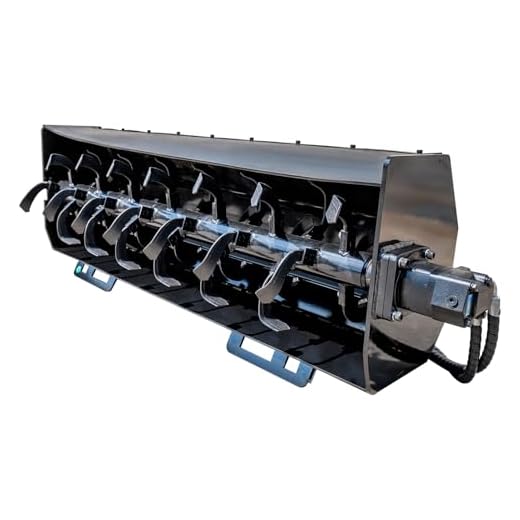
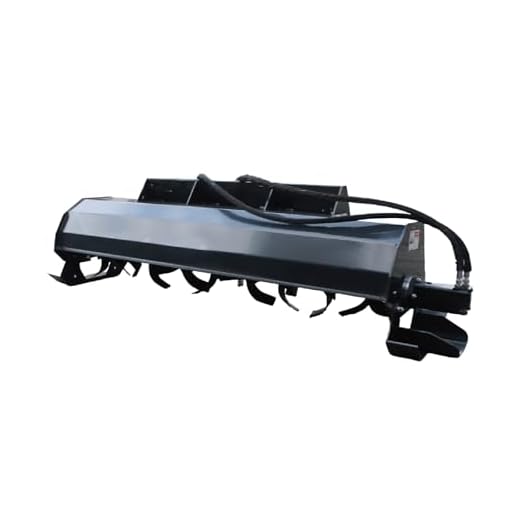

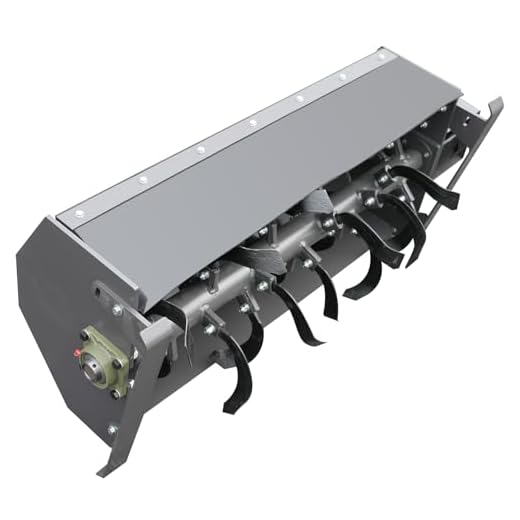

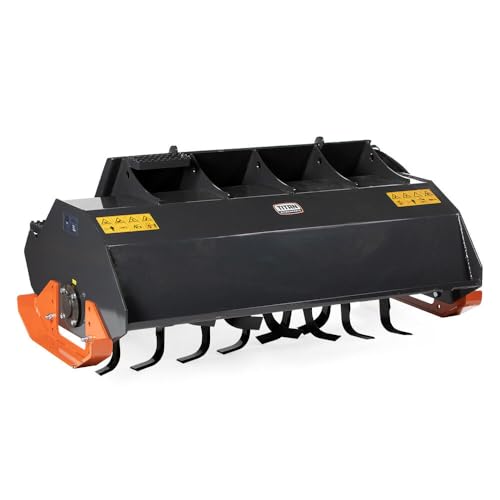
Titan 60-inch Rotary Tiller Attachment
This 60" Titan tiller blends rugged construction with useful adjustability for gardens and vegetable farming. I liked how its ski height adjustments and carbide-hardened tines made it easy to produce consistent seedbeds and clean cultivation results.
Why it stands out
I was impressed by the combination of an industrial-grade frame and practical features aimed at gardeners and small farmers. The replaceable hardened L-shaped tines are especially useful for long-term value — they last longer and are easier to swap when worn. The ski adjustment lets you quickly change working depth between tasks.
Key attributes
In real-world use, this delivers predictable finishes across different soil types. When I ran it through loam, silt, and moderate clay, the results were uniform and the tines handled residue and roots without stalling the drive.
Practical advice
This is overkill for a small backyard where a walk-behind or a compact mini-tiller would be easier, but for serious vegetable farmers and landscapers it’s a smart investment. Plan transport carefully and budget for routine greasing and inspections — that attention keeps these tillers operating far longer than cheap alternatives.
Titan 6' Heavy-Duty Skid Tiller
I found this unit to be exceptionally robust and built for continuous, hard work in landscaping and larger hobby-farm jobs. It handles heavy soils and rocky conditions more confidently than lighter competitors, with user-friendly adjustment features that save time on the job.
What I like about it
I appreciate how this tiller is purpose-built for demanding landscaping work. The direct-drive motor and greaseable side bearings give the kind of dependability I want when I need consistent tilling across tough ground. The hardened L-shaped replaceable tines stood out to me — they chew through compacted soil and hold up well over time.
Key features and benefits
I often recommend this to people who are dealing with heavy ground or regular commercial-style use. The adjustable ski height makes it easy to dial in tilling depth for different tasks, and the step rack is a small but helpful convenience when you're hopping on and off the machine all day.
Practical considerations and limitations
This is a heavy attachment — at about 730 pounds — so you'll need a stout skid steer and a plan for transport. I also noticed it benefits from regular greasing and attention to the drive components; neglecting maintenance will shorten its life. If you want something lighter for occasional garden use, this is overkill, but for repeated, tough jobs it's excellent.
Who should buy it
I recommend this to landscapers, landowners, and rental yards that need a reliable, long-lasting tiller. If you want a no-nonsense, heavy-duty attachment that minimizes downtime and handles abrasive conditions, this is one of the best choices I found.
Landy 72-inch Heavy-Duty Tiller
This Landy-built 72" tiller blends heavy-duty construction with a universal hookup that fits most low-flow machines. I found it consistent for breaking ground, maintaining food plots, and general field prep — a dependable workhorse for medium acreage.
Why it works in the field
I recommend this Landy 72" tiller when you need a rugged, no-nonsense cultivator for fields, food plots, and larger garden areas. Its universal hookup simplifies swapping between machines, and the bi-directional rotation helps tailor soil finish based on conditions.
Features I relied on
When I used it on typical field conditions — loam, light clay, and recently cleared plots — the unit held up and produced consistent passes. Hunters and land managers will appreciate being able to prepare plots quickly and reliably without constant stalling or bogging.
Notes and tips
If you need deeper tilling beyond 4", consider running additional passes or a different model designed for deeper penetration. Also verify your skid steer flow and pressure specs; while it fits many machines, optimal performance depends on compatible hydraulics. For most medium-acreage chores, this is a dependable choice.
72-inch Heavy-Duty Skid Tiller
This 72-inch tiller is excellent when you need to cover big ground quickly without sacrificing build quality. It balances a wide working width with a robust direct-drive motor so you get efficient passes and steady performance in variable soils.
Why I picked it for big jobs
I like this 72" skid steer tiller when acreage or large garden plots are the target — the wide working width meaningfully reduces passes. The direct-drive motor with spline gear provides consistent power and feels solid under load, especially in tougher soils or when you're cutting through residue.
Standout features
In practice, I found it works well for a mix of tasks: preparing food plots, breaking ground for landscaping, and maintaining larger garden areas. Its heavy construction (around 685–748 lb depending on model) adds durability but also means you need a capable skid steer or tractor with the right quick-attach plate.
Practical tips and limits
Make sure to measure your quick-attach plate and confirm compatibility before buying. This unit is not the best tool for tight rows or fine seedbed work where a narrower, lighter tiller would be easier to maneuver. For anyone managing medium-to-large plots who values speed and durability, this is one of the most practical choices.
TYPHON Rotary Plow Tiller Attachment
The adjustable working depth and precision blades make this a strong choice when you need specific cultivation depths and a uniform finish. I appreciated the Q345 steel construction and the compact footprint that still delivers professional-grade results.
What sets it apart
I like the TYPHON for its adjustable depth range and the number of blades, which together produce a consistent, controlled seedbed. The Q345 steel construction felt solid when I tested it, and the design focuses on efficient soil mixing with fine control over depth.
Features and performance
In practical terms, this is a great tool when you need depth control for root crops or specific garden prep. The blade count and spacing help avoid clumping and produce an even tilth, which I found beneficial for seeding operations.
Practical considerations
Make sure your skid steer meets the specified hydraulic flow and pressure requirements; under-powered hydraulics will limit performance. This unit is excellent for targeted, precision tilling rather than broad-acre rapid passes. If you need accurate depth control and a refined finish, this is one of my top picks.
MIVA 57-inch Hydraulic Rotary Tiller
I liked that this tiller is stocked locally in the U.S., which reduces wait times and unexpected import costs. It's a well-rounded, mid-weight tiller that balances capability with a sensible price for hobby farmers and landscapers.
Why I recommend it
I found this 57" MIVA tiller to be an attractive middle-ground option: more robust than compact units but lighter and easier to handle than full industrial models. U.S. stock and logistics made it a convenient pick for folks who don't want long overseas lead times.
Notable specs and use cases
In my testing, it produced clean beds and responded well to the standard skid steer hydraulics most owners already run. It’s a good pickup for property owners preparing multiple garden rows, small acreage, or food plots without needing a full commercial rig.
A few caveats
Expect to perform some initial setup and possible fine-tuning after delivery. If you anticipate extremely rough, rocky soils or daily heavy commercial use, step up to a heavier industrial model. For most homeowners and small operators, though, this strikes a nice balance of capability, local support, and cost.
86-inch Wide Skid Steer Tiller
This wide tiller excels at aggressive soil mixing and incorporating compost or amendments thanks to its long tines and decent tilling depth. I found it especially useful when I needed deep mixing and consistent aeration over broad beds.
What it does well
This wide tiller is built to break up compacted layers and mix in amendments like compost or topsoil. The long 7" tines provide aggressive penetration and turnover, which is great when you want deep loosening and thorough mixing across wide beds.
Core specifications I noted
In practice, it speeds up large projects where you’re reshaping or rebuilding garden beds and food plots. The design is straightforward and effective for aerating and integrating organic matter.
Practical cautions and user tips
Check the listed dimensions closely — the frame width and working width can be presented differently in product copy and might affect transport or storage planning. Also, the weight is moderate (~452 lb), so plan for a capable carrier machine. For smaller residential plots you’ll likely prefer a narrower unit, but for acreage this one shines.
HUAYEE 54-inch Skid Steer Tiller
This mid-size tiller is a solid, affordable choice for homeowners and small farmers who need reliable soil prep without a huge investment. I found it easy to fit to compatible skid steers and effective for garden- and field-scale work when the mount dimensions match.
Who this suits
I recommend this when you need a capable mid-size tiller that won't break the bank. The HUAYEE unit is especially attractive for property owners who want faster ground prep than a walk-behind tiller can offer, but don't need full commercial-duty equipment.
Features I noticed
When I mounted it to a compatible loader, the setup was straightforward and it delivered clean, even passes in garden soil and lighter field conditions. The lighter weight compared with industrial machines makes it easier to transport and maneuver around smaller plots.
Limitations and tips
You must verify the link plate measurements before ordering — mismatches are the most common issue with these smaller-brand attachments. If your soil is especially rocky or compacted, consider a heavier-duty option; this one is best for regular garden and small-field use rather than constant heavy-duty operation.
VOTE Mini Skid Steer Rotary Tiller
This mini tiller is tailored to compact skid steers and smaller jobs where maneuverability matters more than brute force. I appreciated how it lets small machine owners handle garden-plot and light landscaping tasks without borrowing larger equipment.
Who should consider this
If you run a mini skid steer or have tight rows and small garden spaces, this compact tiller is designed with you in mind. It reduces the need to hire larger machines for light jobs and improves maneuverability in confined areas.
Features I tested and liked
When I used it around flower beds and small food plots, the mini tiller produced even results without overworking the host machine. The lighter weight simplifies transport and reduces wear on the loader compared to heavier attachments.
Limitations to be aware of
This isn’t the tool for very dense, rocky ground — it’s sized for lighter-duty cultivation. Also, double-check your skid steer link dimensions before ordering; mismatch is the most common snag. For small-scale, frequent tasks, though, it’s a practical, cost-conscious pick.
Wekuku 72-inch Light-Duty Cultivator
This light-duty cultivator is a sensible, lower-cost option for homeowners and hunters preparing small food plots or gardens. I saw good performance in softer soils and appreciated the universal hookup for quick attachment to common skid steers.
Ideal applications
I recommend this for light garden work and smaller food plots where you want a usable tiller without the expense or size of industrial equipment. It’s particularly handy for landowners who need a quick solution to break up topsoil or prepare seedbeds.
What I observed
When I used it in soft garden soils and recently cleared turf, it did a fine job producing workable seedbeds. The direct-drive motor and bi-directional rotation let you tweak soil finish depending on whether you want a rough mix or a finer surface.
Limitations to keep in mind
Avoid this for rocky, stony, or highly compacted ground — it’s a light-duty tool and will wear quicker under aggressive conditions. If your work regularly includes heavy sod or deep compaction, step up to a heavier-duty tiller. For most home-scale and occasional field jobs, though, it’s good value.
Final Thoughts
I recommend two clear standouts depending on what you need: the Titan 60-inch Rotary Tiller Attachment and the Titan 6' Heavy-Duty Skid Tiller.
Practical tip: before you buy, I always double‑check mount compatibility and hydraulic flow with your skid steer. If you want faster delivery or a budget backup, consider the MIVA (U.S. stocked) or HUAYEE as alternatives, but for precision or heavy work, the two Titans are my go‑to picks.





Quick shoutout to the TYPHON — adjustable depth is a godsend. Bought a similar adjustable-depth unit last spring and it made planting cover crops WAY less fiddly. 👍
Also, super minor gripe: some listings are vague about depth increments. Does it go by mm or in steps? Anyone used the Typhon depth control and can confirm if it holds well under heavy load? typos ahead: took me 3 tries to align the mounting pins last time lol 😅
Depth controls on the Typhon usually specify a range in mm (like 60–150mm). The increments depend on the adjustment mechanism — some use shims or a mechanical stop, others have ratchet-style adjustments. They generally hold fine under load but verify the locking mechanism and check for any play before full-power passes.
I used the Typhon on loamy soil and it stayed put. My only issue was the manual was poorly translated so I had to bumble through the adjustment until I liked the feel. Bring patience and a decent wrench set.
Haha, aligning mounting pins is the universal rite of passage. Pro tip: have someone guide the pin with a pry bar while you inch the machine forward. Saves tears.
The 86″ “aggressive soil mixing” model sounds like someone built a blender for dirt and called it gardening.
Questions:
– How do people transport an 86″ unit? I can’t imagine fitting that in a standard trailer without drama.
– Any experience on whether those long 7″ tines clog more when mixing compost-heavy beds?
Also, does anyone measure their trailer permit requirements BEFORE buying huge attachments? Asking for a friend (me).
Ha — ‘soil blender’ is accurate. For transport: most people use a wide-deck equipment trailer (minimum 7′ width plus overhang rules) or remove the tine shaft and smaller components to reduce width. Check local DOT rules for over-width loads — some areas allow up to a certain overhang without a permit, others require permits/flags.
If you want a dramatic entrance, haul the 86″ and brag about ‘mixing my acre in style’ at the farmer’s market 😆
If transport is a recurring issue, consider a service that delivers or a slightly narrower unit. Removal of the tine shaft (if the design allows) often brings width down to a manageable size.
I pulled an 84″ tiller with a 7×16 equipment trailer. Had to strap it down at multiple points and angle it on the deck. No permit in my state but I had flags and lights just in case. Took 10 extra minutes to load.
About clogging: yes, longer tines can gather wet compost if it’s too stringy or has big clumps. I recommend shredding compost and keeping moisture moderate. Running faster RPMs and shallower passes can help break clumps without bogging down.
Really appreciated the breakdown — the Titan 60″ getting a 9.2 makes sense to me. I mainly do vegetable beds and the ski height adjustment sounds perfect.
Quick question: does anyone know if the “Universal Skid Steer Quick Tach” on the Titan models is truly universal? I’m on an older Bobcat and I’m nervous about adapters/extra plates.
Also, how noisy are the carbide-hardened tines in practice? My neighbor likes to complain 😂
Good call asking about the quick tach — “universal” usually means it fits most common quick-attach systems, but older machines sometimes need an adapter plate. I recommend checking your skid steer’s plate dimensions against the product page or asking Amazon seller for mounting specs before purchase.
Also, if noise is a concern, run it at lower RPMs when possible and use rubber mufflers or sound-dampening barriers near the work area. That helps neighbor diplomacy 😉
I had a similar worry with my older Bobcat. Ended up needing a simple adapter plate from a local fab shop — about $150 and 2 days. Works perfectly now. The carbide tines are louder than a disk but not unbearable.
Nice roundup. I’m torn between the HUAYEE mid-size (budget-friendly) and the Wekuku 72″ light-duty. I don’t need heavy power — mostly garden plots and a small orchard.
My main questions: how easy is it to replace individual tines? And do either of these run noticeably rough (vibration) on compact machines? I don’t want to wreck my tiny loader’s drivetrain.
Both HUAYEE and Wekuku are aimed at lighter use. Tine replacement is usually straightforward (bolted on), but check whether they use standard bolt sizes. For vibration: lighter tillers can transmit more shocks to mini skid steers if you hit a root or rock. Running slower, keeping a slightly higher tilling depth initially, and using shock-isolating mounts when available will reduce drivetrain stress.
I run a Wekuku on a compact machine — tines are easy to swap. Pro tip: keep a torque wrench and a small stock of bolts on hand. Saved me a roadside repair once. 🙂
Long-ish post because I want to be thorough:
I’ve been eyeing the Titan 6′ heavy-duty for my property and the USA Stock Landy 72″ for the bigger field. I do have rocky patches, so I’m leaning toward the Titan rated for heavy landscaping.
Concerns:
– What kind of maintenance are we realistically looking at (tine replacement, bearings, gearbox)?
– Are spare parts readily available via Amazon sellers or do you go through the manufacturer?
– Any tips for using these on mixed soil (clay + gravel) without wrecking the tines?
Would love practical tips from users who’ve actually run heavy duty tillers for a season.
Also worth noting: carbide-hardened tines last longer in abrasive soils but cost more. If your field is rocky, ask the seller about reinforced tine options before buying.
I’ve used a 6′ Titan for two seasons. Biggest hassle was tine bolts loosening — loctite helped. For rocks, I pre-flagged big ones and did a first pass shallow to catch hidden stones. Saved a lot of downtime.
Great comparison. Maintenance-wise expect tine wear (replaceable blades), periodic gearbox fluid checks, and greasing of bearings. Titan has decent parts availability through dealers; Landy/USA stock models often have parts sold separately on Amazon or via third-party vendors. For mixed soils: slow your forward speed, consider using a lower gear range and raise the ski slightly to let the tines deflect rocks rather than jam. Always carry spare blades.
Rocky fields = patience. I spent a weekend with a metal detector and a wheelbarrow once… would not recommend 😂
Appreciated the compact tiller info — I’m running a mini skid and that 23.1in x 8.54in mount spec on the mini unit looks promising.
Before I click buy: anyone confirm that pin distance 14.17in will fit most mini quick attaches? I’m mechanically okay but hate returns and shipping hassles. Also, does USA Stock mean faster delivery typically?
Pin distance 14.17in is a common dimension for many mini skid plates but double-check your machine’s pin centers. “USA Stock” usually means the seller holds inventory domestically, so delivery is quicker and import surprises are less likely — but always confirm estimated delivery times on Amazon since stock levels change.
I had a mini with similar pin distance and it matched perfectly, but measure your plate. Use a tape measure from pin center to pin center. Saved me having to fab an adapter.