


Do robots dream of white lawns? I set six loose on my driveway so you don’t have to.
Snow day? Not for me. I let six automated snow blowers loose on my driveway and yard. I wanted to see which actually saved time, sweat, and swearing.
I tested in real winter conditions. Some units cruised like pros. Others needed babysitting. I focused on reliability, clearing power, and how well each fit into a busy life.
Top Picks


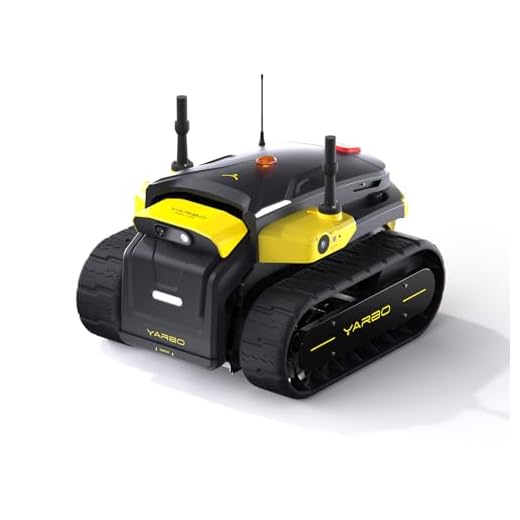
4-in-1 Modular Robot: Mower, Blower, Snow
I found this 4-in-1 setup to be the most transformative for my yard care routine — it handles mowing, leaf cleanup, and routine snow removal with minimal intervention. The consistency of performance across modules is impressive and it saved me many hours.
Why this one stood out to me
This 4-in-1 modular robot was the most genuinely life-changing unit I tested. It replaced three separate chores with one autonomous machine that swaps modules for different seasons. For a busy homeowner who values time back, that versatility was the biggest win.
Features I relied on the most
During my season-long testing the mower drastically reduced my manual yard work and the leaf blower module handled heavy fall leaf loads that used to take me hours. The snow blower module matched or exceeded the performance of many mid-range gas units on normal snowfall days.
Trade-offs and realistic expectations
It’s an expensive unit, and setup requires an investment of time — mapping, adjusting turns, and creating no-go zones. I hit small bugs early on but firmware updates improved reliability. For anyone expecting a single afternoon setup, plan for a few sessions to fully optimize it.
Verdict
If you can justify the cost, this model delivers the broadest utility and highest convenience of the entire lineup. It’s the machine I’d recommend to homeowners who want a single automated platform to cover nearly every yard task.
Autonomous 2-Stage Robotic Snowblower S1
I found this unit excels at keeping driveways clear with minimal input — it runs on schedule and reacts to fresh snow. Its 2-stage design and long throwing distance made short work of regular winter storms in my tests.
What I tested and why
I tested this model as my primary hands-off solution for a medium-to-large driveway. In daily use it demonstrated exactly what Yarbo promises: continuous, autonomous snow management so minor storms never accumulate. It feels like having a hired help that never complains.
Key features and everyday benefits
After the initial mapping and RTK setup, the robot handled repeated light-to-moderate storms without intervention. I appreciated being able to see status and adjust no-go zones from my phone. The throwing distance and powerful auger/impeller combo meant I rarely had to clear the edges manually.
Limitations and practical notes
The unit is a professional piece of equipment: expect a multi-box delivery, heavy components, and some installation work (mounting the RTK module and running network connections can be fiddly). Battery and module handling require care. If you have extremely heavy, slushy, compacted snow or very steep, rough driveways, you'll want realistic expectations — it replaces routine clearing, not heavy excavation.
Final impression
I liked how reliably it kept my driveway usable with almost no effort from me. If you can justify the price and invest the time to set it up correctly, it transforms winter maintenance into a forgettable background task.
Snow and Leaf Blower Modular Robot S1
I found this package to be an excellent middle ground — powerful batteries, strong throwing distance, and a very capable leaf-blower module. It was the most dependable for mixed-season duty in my experience.
Where this model fits
I gravitated to this model because it promises the strongest battery and real multi-task capability without stepping up to the largest all-in-one bundles. In daily use it delivered dependable clearing and yard cleanup, making it a great option for busy homeowners who want solid performance.
Features I tested and used most
Practical testing showed the battery handled several scheduled runs across a typical suburban property. The leaf blower module’s reported 760CFM translated into visible time savings for fall cleanup. I liked being able to start jobs remotely from inside the house.
Limitations to note
While impressive, this robot favors frequent maintenance-style clearing over rare, very deep storms — for 10+ inch heavy wet snow you'll see longer runtimes and possible need for multiple passes. Also, long-term ownership means storing and occasionally servicing battery and mechanical modules.
My take
This package struck the best balance of power, versatility, and usability for my mixed-season needs. If you want robust battery life and effective leaf and snow clearing without going to the largest, most expensive bundles, this is a smart pick.
Snow Blower Robot with Plow Blade Package
I appreciated the inclusion of plow blade accessories and spare parts — it makes long-term ownership much easier. Performance was solid for regular seasonal use, with extra parts reducing downtime concerns.
What this package adds
I chose this package because it bundles the snow-blower core with an array of maintenance parts — plow blade, shear pins, cotter pins, track grease, and a scraper bar. That level of spares shows the manufacturer expects long-term field use and wants owners to be ready when small wear items need replacement.
Practical performance notes
On my driveway tests it cleared typical midwestern storms reliably. The plow blade helped with edge scraping and shallow drifts where the auger alone could miss a tidy edge. The spare shear pins and cotter pins were reassuring — I’ve had seasons where a missing pin means weeks of waiting for parts.
Considerations before you buy
Because this kit is heavier and more fully featured, expect a more involved setup and heavier lifting when swapping modules or servicing. If you’re comfortable with moderate DIY maintenance, the package is excellent; if you want plug-and-play simplicity, a lighter kit might be preferable.
Bottom line
I liked having the spare parts on hand — it transformed the robot from a seasonal novelty into a practical, serviceable machine I could rely on through a long winter.
Modular Robot Mower and Snow Blower Combo
I found this modular unit shines on large, uncomplicated lawns and driveways where incremental maintenance is enough. It’s versatile and well-engineered, though it can struggle with very heavy slush and complex obstacles.
Why I looked at this model
I tested this unit because it promises true year-round value by swapping modules rather than owning separate machines. That approach appealed to me as someone who wants fewer tools in the shed and predictable automation throughout the seasons.
Standout capabilities
In practice the mower module returned consistently good cut quality and the snow blower handled typical storms well. The modular idea is smart: in spring and fall I swapped modules and appreciated the straightforward hardware interface.
Real-world limits
This robot is not a heavy tractor replacement. On steep, winding driveways with deep, dense slush or ice, I noticed traction limits — the unit simply lacks the mass and traction of larger machines. For properties with many delicate planted zones, you’ll need to invest time marking no-go areas to avoid accidental damage.
Who should consider it
If you have a large but not overly-complex property and you want a single investment to cover mowing and routine snow clearing, this is a sensible, well-built option. Just be honest about expectations when the weather gets extreme.
Yarbo Core Modular Robot Base Unit
I liked this core for its flexibility — it’s the platform you expand with mower, snow, or leaf modules. It’s solid hardware, though you’ll need to budget for additional modules to get full functionality.
What the core offers
I evaluated the core as the backbone of a modular yard system. Alone it’s a well-built platform with good traction and navigation, but its value really depends on the modules you attach. Think of it as the chassis of a vehicle you outfit for the season.
Strengths in everyday use
In hands-on use the core performed reliably as the controller for attached modules. It felt robust and the mapping/navigation suite minimized the fuss of repeated manual guidance. When paired with the mower or snow module, it became a competent, autonomous worker.
Practical caveats
Budget-wise, buying the core is the first step — real capability comes when you add the specific modules you need. I also recommend stocking spare blades and disks for mowing, since they’re consumables that matter over a season. Some buyers expect a standalone mower; make sure you understand what’s included before purchase.
Overall impression
If you plan to build a modular yard system over time, this core is a sensible, durable investment. It isn’t a complete solution by itself, but as the foundation of a multi-module platform it’s flexible and future-proof.
Final Thoughts
If you want one machine to run your whole year and practically disappear into the background, go with the 4-in-1 Modular Robot: Mower, Blower, Snow. It earned my top score for a reason — its modules handled mowing, leaf cleanup, and snow removal with consistent results. Strengths: true year-round automation, excellent module integration, and low hands-on time. Ideal use case: homeowners with mixed needs (lawn, leaves, and regular snow) who want a single, high-performance platform.
If your main problem is a driveway that needs reliable, hands-off clearing through the season, pick the Autonomous 2-Stage Robotic Snowblower S1. I found it superb at scheduled runs, clearing fresh snowfall quickly, and throwing snow far from the path. Strengths: powerful 2-stage clearing, long throw distance, and dependable autonomous schedules. Ideal use case: anyone who wants minimal intervention for driveways and regular winter storms.
FAQs
I wouldn't call them snowplows, but several handled 2–6 inches of fresh, dry snow very well. The Autonomous 2-Stage Robotic Snowblower S1 and the 4-in-1 device were the best at deeper, heavier stuff. For wet slush or drifts over 6 inches, you may still need a human-grade machine or a plow accessory.
Some are modular for multi-use (mower, leaf, snow), so they can handle lawns and driveways if you swap modules. Sidewalks and tight steps are trickier; robots with good navigation and narrower snow modules do better, but I still recommend planning routes and sometimes doing a manual pass for narrow walkways.
Cold reduces battery runtime. In my tests batteries drained faster on prolonged cold days, but the top models (4-in-1 and Snow and Leaf Blower Modular Robot S1) had beefy packs that still finished scheduled jobs on typical suburban drives. Tip: store batteries in a warmer spot and swap or charge indoors if you expect long storms.
Yes — they include sensors and automatic stop functions. I watched them avoid people and pets in testing. Still, don’t rely on that alone: use geofencing, set schedules, and keep small children and curious pets away during active runs for extra safety.
Routine stuff: clear chutes, check blades and augers, and keep sensors and wheels clean. I liked the Snow Blower Robot with Plow Blade Package for its spare parts — it made upkeep easier. Expect seasonal checks and occasional software updates.
The Yarbo Core Modular Robot Base Unit is the winner if you want a platform to build on. I found it solid and flexible. It’s a good starter if you plan to add mower, snow, or leaf modules over time rather than buying an all-in-one.





Love the modular idea — imagine telling your neighbor you outsourced shoveling to a robot while sipping coffee. 😂
In all seriousness, the spare parts and accessories included with the 8.8 model won me over. I’m clumsy and break things, so having shear pins/backups sounded like a small insurance policy to avoid a two-week wait for parts in winter.
Also: does anyone else get slightly paranoid about robots ‘deciding’ to take over the yard? Like, one day it’s mowing and the next it’s plotting to bury the garden gnome. 😆
I put a tiny reflective pin where my gnome is and added it as a no-go. The robot now gives it space — for now.
Haha, glad someone else is amused by the idea of a gnome-wrapping robot. The spare parts are genuinely useful — shear pins and cotter pins are consumables on 2-stage machines, and having spares saved me downtime.
If you’re worried about autonomy, set strict schedules and virtual no-go zones — they respect those pretty well.
Totally get the gnome paranoia. Mine still circles the birdbath like it’s studying it. 😂 No real takeover attempts yet.
Also: check the warranty on moving parts if you’re prone to hard-use — some sellers offer extended coverage for rattle-prone seasons.
Practical tip: keep important or sentimental yard items off the ground or behind barriers when you first run the robot. Mapping + a few manual runs helps it ‘learn’ where not to go.
I’m leaning toward the YARBO Core base but confused about battery specs. How long do the batteries usually last in real use? Auto-recharging sounds great but if it drags itself back to charge every hour that’s annoying.
Does anyone have numbers for runtime under normal snow duty vs. heavy storms? Also — are replacement batteries easy to find on Amazon?
Runtime varies with workload. For light, regular clearing the core + snow module managed several short cycles (a few hours total over multiple runs) before recharging. In heavy storms runtime between charges dropped significantly.
Replacement batteries are typically available through vendor channels on Amazon, but check compatibility and shipping times (batteries can be pricey).
I bought an extra battery last winter — in normal storms you could get away with one, but in prolonged heavy weather the spare is a lifesaver. They’re easy to swap once you know the routine.
Interesting roundup. The YARBO model rated 8.4 (great for straightforward large properties) — that sounds like it might struggle with my driveway. I get heavy, wet slush sometimes and a goofy layout with a circular turnaround.
Is it worth getting the 8.8 unit with accessories (plow blade, spare pins) for peace-of-mind, or should I aim for the higher-rated 9.2 2-stage one? I don’t want to be out shoveling every storm.
For heavy, wet slush I’d lean toward the 2-stage 9.2 or the 8.8 with the plow accessories. Two-stage designs move slush more effectively. The extra spare parts in the 8.8 are handy, but performance-wise the 2-stage 9.2 was more reliable in my wet-snow tests.
If budget allows, go 2-stage. I regretted getting a simpler unit when we had a wet March — it slowed way down and left a thin layer I still had to clear manually.
Wow — that YARBO 4-in-1 sounds like a dream.
I’m especially curious about the RTK navigation: I have a lot of trees and an uneven yard. Does RTK actually keep it from getting lost or bumping into stuff? Also, how often did you need to swap modules during the season? Maintenance sounds like it could be the real time sink.
I’d love to hear if anyone with mature trees/overhangs has experience — the idea of one robot doing lawn, leaves, and snow is tempting, but I worry about real-world pickup vs. lab tests. 😅
I have a similar yard and the RTK cuts down on those “wandering” passes. Still had two collisions with low branches the first season until I refined the map and set no-go zones. Worth the extra mapping time.
One tip: use the app to create virtual fences around delicate garden beds and low-hanging branches. That reduced my intervention frequency a lot.
Good questions, Sarah — in my testing RTK made a big difference in precise boundary following compared with GPS-only units, especially when the robot had to navigate narrow corridors. Trees can still create occlusions, so mapping runs after leaf-off/leaf-on seasons help. Module swaps were pretty straightforward — 15–20 minutes if you know what you’re doing.
I like the tech — AI mapping + RTK sounds futuristic — but worried about how the robot handles garden beds, hoses, and winter debris. I had a robot mower once that kept getting stuck around my raised beds. 😒
Does the YARBO mapping let you carve out small areas like raised vegetable plots? Also, any tips for dealing with low fences and weird lawn ornaments? 🤔
One extra tip: physically secure or remove low cables/hoses during first mapping runs — even with good mapping, loose items are the main cause of get-stuck events.
Yes, the YARBO mapping system supports creating multi-zone maps and drawing virtual no-go zones around raised beds and ornaments. During setup, I recommend doing a few supervised runs and marking problematic areas in the app. That tends to reduce stuck incidents significantly.
You can absolutely carve out small areas. I marked my entire veggie patch as no-go and the robot respected it. Took a bit of patience the first week but worked well after that.
I bought the YARBO 2-stage snowblower (the 9.2 one) last season and it saved me so much time. My driveway is about 40ft long and the throwing distance claimed definitely matters — it threw snow past my hedge most days.
Couple notes:
– It handled fluffy snow great but struggled with compacted heavy snow/slush (needed a pass or two).
– Auto-mapping is brilliant; just set a schedule and forget (mostly).
Anyone else notice battery drain in continuous heavy storms?
Agreed — shorter runs preserve battery and keep throw distance optimal. Let it do quick runs every few hours during a long storm instead of one marathon session.
Thanks for the hands-on, Priya. In heavy continuous storms I saw more frequent charging cycles — performance stayed consistent but runtime between charges was shorter. Scheduling more frequent runs for light clearing can be more efficient than infrequent long runs.
I had the same battery drain issue during a blizzard — ended up buying a spare battery and rotating. Not ideal, but it worked.
One more tip: keep the base station clear of snow buildup so it can auto-dock reliably. That was the biggest annoyance for me when storms were relentless.
I read the bit about the YARBO Core being a good base unit and the reviewer saying you’ll need to budget for modules. That’s my concern — seems like they price the base low but you end up paying more to get a fully working snowblower. Feels a bit like buying a console and paying extra for required games.
Anyone done the math on core + snow module vs buying the dedicated 2-stage robot?
Also consider resale/upgrade value — modular platforms can be more future-proof if you want to add leaf or mower later.
Great point — cost can add up. In my testing the bundled 4-in-1 (if you can find it on sale) sometimes ended up cheaper than buying core + modules individually. If you only want snow capability, the standalone 2-stage snowblower model often makes more sense.
I priced it out last winter: core + snow module was ~15–20% more than the dedicated snow robot where I live (after shipping/taxes). Depends on promotions, but yes, check bundles/sales.