


Which 15 HP TEFC will outlast your lunch break — and still pass inspection?
Motors don’t gossip, but they sure tell you who’s built tough. I’ve seen these 15 HP TEFCs run day after day while everything else in the shop complains.
I dug into the specs, ratings, and real-world use cases so you don’t have to. I’ll point out which motors are workhorses, which are specialists, and when to pick a different RPM or ruggedness level.
Top Picks


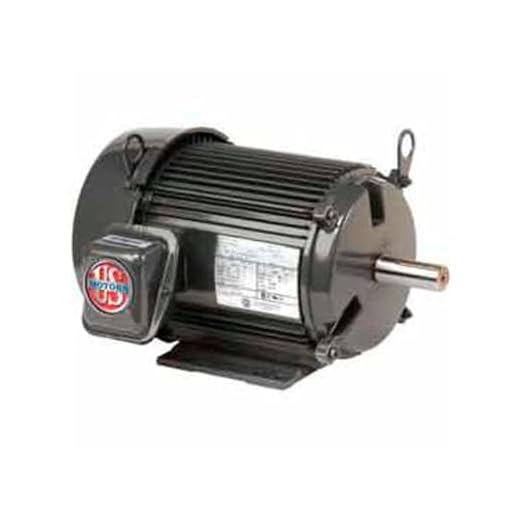


Baldor 15 HP Severe Duty TEFC
I find this Baldor machine excels in durability and serviceability for industrial environments. It delivers consistent, premium efficiency and inverter-ready performance for varied torque demands.
What this motor is for
I recommend this Baldor for heavy industrial applications where uptime and longevity matter most. It's designed as a general-purpose severe duty TEFC motor that handles belts, pumps, mixers, and other continuous processes without fuss.
Key features and benefits
I like that the motor is built to be service-friendly: robust bearings, accessible conduit box, and a design that's tolerant of variable torque loads. In practice this means fewer surprises during multi-shift operation.
Limitations and real-world notes
The trade-offs are primarily weight and cost. It's a heavier, premium unit, so you should plan your lifting and mounting hardware accordingly. If your application is a light-duty, low-cost requirement, this may be more motor than necessary.
Practical insight
If you need a motor that's ready for VFD control and continuous industrial use, I view this Baldor as a long-term investment. Install it with proper alignment and protective wiring to get the most out of its rated performance.
Marathon 15 HP 1200 RPM TEFC
I find this Marathon motor attractive for environments needing hazardous location compliance and NEMA Premium efficiency. It’s designed for inverter duty and offers IP55 protection on cast iron frames.
Where this motor shines
I recommend this Marathon 15 HP 1200 RPM motor for industrial sites where classified-location protection and premium efficiency are mandatory — for example chemical plants, mills, and other process industries. Its 1200 RPM is useful for torque-focused applications and direct-drive configurations that need lower speed.
What I like about it
From my perspective, Marathon balances safety, efficiency, and performance effectively. It’s the kind of motor you pick when regulatory compliance is a deciding factor.
Notes and practical guidance
Budget for the higher initial cost tied to hazardous rating and ensure you have the necessary paperwork and inspections for installation. Once installed, the motor’s efficiency and protection features pay dividends in reliability.
Baldor 15 HP 575V Severe Duty
I like this Baldor 575V option when your plant uses 575V distribution and needs a severe-duty motor. It gives the same robust construction and inverter-ready design in a high-voltage package.
When to pick the 575V variant
If your facility distribution is 575V or you’re working with equipment that specifies high-voltage motors, this Baldor model fits well. I prefer it for heavy-duty plant-floor machinery where 575V provides cleaner distribution and reduced current for the same horsepower.
Key strengths
I appreciate having a proven severe-duty option in a high-voltage configuration — it’s not flashy, but it reduces the need for voltage conversion or added transformers in many plants.
Things to plan for
You’ll need appropriate starters, protection, and qualified electricians for 575V installations. If your site runs 480V or 460V, double-check whether a 575V motor is necessary; otherwise, choose the matching-voltage unit to avoid extra electrical work.
Baldor 15 HP Washdown Duty TEFC
I find this Baldor washdown motor perfect for multi-shift food- and pharmaceutical-processing lines where regular washdowns are required. Its stainless and polypropylene components resist moisture and cleaning chemicals.
Why consider a washdown motor
I recommend this Baldor washdown duty motor when your process demands frequent cleaning—common in food processing or pharmaceutical plants. The motor is engineered to stand up to repeated spray-downs and detergents while minimizing contamination risk.
Key washdown features
I like that Baldor has tailored the motor’s materials and design for hygienic environments; it reduces downtime for cleaning and helps meet sanitation standards.
Caveats and practical advice
The listing notes a single-phase configuration — which is unusual for 15 HP — so I advise confirming the electrical configuration before purchase. If you’re converting or replacing equipment, verify voltage and phase to avoid surprises. When installed correctly, this motor brings durability and cleaner operations to washdown-prone facilities.
US Motors 15 HP Unimount TEFC
I see this US Motors Unimount as a pragmatic, cost-effective option for industrial and shop applications. It balances efficiency with a straightforward TEFC package that fits many common installs.
Where I’d use this motor
I recommend the US Motors Unimount when you need a dependable 15 HP motor for pumps, blowers, compressors, or conveyors without overspending on specialty features. Its unimount design makes it easy to mount to existing equipment.
Standout characteristics
In my experience, the motor is a workhorse for everyday industrial tasks. It won’t wow you with exotic features, but it performs consistently and is straightforward to service.
Limitations and tips
If you need severe-duty or washdown capability, this model isn’t intended for aggressive corrosive or high-moisture environments. For typical shop or plant conditions, it’s an excellent value — just make sure service factors and voltage compatibility match your installation.
Nidec 15 HP 1200 RPM TEFC Motor
I view this Nidec 1200 RPM motor as well suited for heavy-load applications where low speed and high torque are required. It has robust cast-iron construction and hostile-duty finishes for longevity.
Best use cases
I recommend this Nidec 1200 RPM motor for conveyors, crushers, and mixers where lower speed and higher torque are required. The robust cast-iron frame and hostile-duty protective finishes make it a good fit for industrial workshops and outdoor installations.
Practical strengths
I’ve seen operators appreciate the long service intervals and minimal surface degradation thanks to the hostile-duty treatment. It’s a dependable low-speed platform for heavy machinery.
Installation and maintenance tips
Due to its substantial weight, plan for proper lifting equipment and base reinforcement. Routine alignment and bearing checks will prolong service life, especially under frequent start-stop duty cycles.
Nidec 15 HP 3600 RPM TEFC
I regard this 3600 RPM Nidec motor as a strong candidate when your machinery requires high-speed output — like compressors or certain pump types. It’s built for continuous duty with hostile-duty finishes.
Best application scenarios
I’d pick this Nidec 3600 RPM motor for equipment that benefits from higher shaft speed: certain compressors, small high-speed pumps, or direct-drive fans. Its hostile-duty paint and hardware make it a better fit for mildly corrosive or industrially contaminated areas.
Features I value
In practice, operators report good uptime when they match the motor speed and mount correctly. The motor’s construction reduces surface corrosion over time compared with less-protected units.
Limitations and advice
Because it runs at 3600 RPM, I recommend careful coupling alignment and monitoring of vibration early in commissioning. For low-speed direct-drive needs, consider a lower RPM unit or a gearbox to avoid premature wear.
Nidec 15 HP 1800 RPM TEFC
I consider this Nidec 1800 RPM motor a practical choice for applications needing a mid-speed 15 HP solution. It offers reliable operation without many frills, suitable for retrofit or replacement tasks.
Intended use and fit
This Nidec 15 HP, 1800 RPM TEFC motor is a no-nonsense choice when you need a straightforward replacement or a basic drive for pumps, fans, or small machinery. I’d pick it for standard industrial settings where proven reliability is preferred over bells and whistles.
Notable attributes
From what I’ve seen, this motor is budget-friendly and functional. It’s the kind of unit that keeps things running without requiring much configuration.
Practical considerations
The main caveat is the lower level of documented features compared to premium models (coatings, inverter ratings, or extra corrosion protection). If you’re replacing a like-for-like motor, this is a sensible economical choice; if your environment is demanding, consider a more heavy-duty spec.
Final Thoughts
My top pick overall is the Baldor 15 HP Severe Duty TEFC. I recommend it when you need a motor that survives industrial abuse, is easy to service, and is inverter-ready for variable-torque or VFD-driven equipment. It’s the best blend of durability, long-term efficiency, and serviceability — ideal for machine shops, conveyors, and heavy-duty pump drives.
If your environment requires hazardous-location compliance or NEMA Premium efficiency, choose the Marathon 15 HP 1200 RPM TEFC as a strong second option. It’s the better call for areas with strict safety classifications, IP55 protection, and when you want a premium-efficiency motor that’s still inverter-capable.
(Quick note: if you run food or pharma washdown cycles, the Baldor 15 HP Washdown Duty TEFC is the specialist to pick — corrosion- and chemical-resistant components that will outlast a standard TEFC in wet environments.)
FAQ
Short answer: yes, for long life. I always recommend inverter-duty or inverter-ready motors when you use a VFD. They have reinforced insulation and construction to handle frequency changes and transient voltages. Using a standard motor on a VFD can lead to premature winding insulation failure.
Match the motor speed to the driven equipment. I choose 1200 RPM for high-torque, low-speed loads like heavy conveyors and gearboxes; 1800 RPM as a versatile mid-speed for many pumps and fans; and 3600 RPM when you need high-speed applications such as certain compressors or direct-drive pumps. Don’t undersize torque just to save on RPM.
Yes if your facility uses 575V distribution. I advise choosing the 575V Baldor only when your plant bus is 575V — it avoids transformers and simplifies wiring. If your supply is 460/480V, stick with the matching voltage motor to avoid compatibility headaches.
Very important for wet or corrosive environments. I’d always pick the Baldor Washdown Duty TEFC or any motor explicitly rated for washdown in food, beverage, or pharma lines. Regular TEFC motors will corrode or trap contaminants under repeated wash cycles.
Yes — especially the Baldor Severe Duty models. I find Baldor designs tend to be easier to disassemble, re-lube, and repair in the field. Nidec and Marathon are also serviceable, but check local support and spare-part availability before buying expensive runs of motors.
Absolutely. I recommend NEMA Premium when motors run many hours daily. Marathon’s NEMA Premium model will save energy and pay back over time in high-duty applications. For intermittent or standby use, efficiency is less urgent but still beneficial.
Cast-iron frames give better mechanical strength and vibration damping. I pick cast iron (like Marathon’s IP55 cast-iron frames) for heavy installations or where mounting rigidity matters. Lighter frames work for benign, small-shop installs but won’t handle as much abuse.
Yes — verify the exact model number, voltage, RPM, mounting (foot vs. shaft), and seller reputation. I always check shipping terms, return policy, and whether the seller offers installation support or a warranty transfer. Mistakes on voltage or mounting type are the most common costly errors.

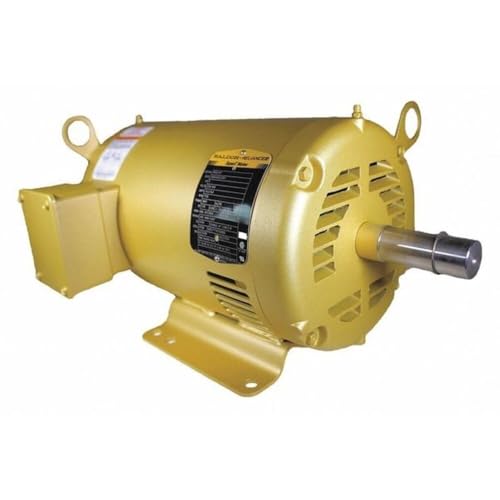







I’ve installed the US Motors Unimount TEFC U15P2D in a machine shop. Solid, no surprises. Cheap-ish compared to Baldor but still reliable. If you want budget + reliability, this is the one.
Shimming: yes, a little. Nothing out of the ordinary though — just some flatness checks on the baseplate.
Thanks for the real-world input, Henry. The Unimount often hits the sweet spot for cost-conscious shops that still need a dependable TEFC motor.
Did you need to shim it a lot for belt alignment? Curious about mounting quirks.
I’ve retrofitted one into a lathe — worked great after we matched pulley diameters. No weird hums or overheating in continuous duty.
I’m torn between the Marathon 1200 RPM and the Nidec 1200 RPM. Marathon has hazardous ratings and IP55; Nidec seems more cost-effective. Any suggestions based on longevity or service?
If hazardous location compliance is required, prioritize Marathon (or any motor with the appropriate certification). For pure longevity, look at frame material, service factor, and local service availability — Marathon tends to have broad aftermarket support.
I went with Marathon for a pump because of hazardous rating. It’s been dependable; the extra upfront cost saved headaches on safety paperwork.
Thanks — leaning Marathon now. Paperwork is a pain but worth it for compliance.
Always a good idea to document certifications with your safety officer — can save time during inspections.
Low-speed Nidec (1200 RPM) looks attractive for a crusher application. Anyone concerned about Nidec’s support vs Baldor/Marathon? Just want parts availability if something goes wrong.
Nidec has a good reputation, but distributor support can vary. For critical equipment, check local motor repair shops’ familiarity with the brand and availability of spare parts or rewind services.
The washdown Baldor CWDL3513 caught my eye for our food line. Stainless bits and polypropylene components make sense, but is the single-phase 15 hp at 3450 RPM common? I’m worried about finding a suitable gearbox.
Thanks — we might re-evaluate our power distribution or look at three-phase options if gearbox cost is high.
Good point — 3450 RPM single-phase 15 hp is less common than three-phase variants. You might need a custom gearbox or V-belt reduction to match your equipment. Also confirm phase compatibility with your power supply.
Quick question: For retrofit replacements, are the Nidec 1800 RPM and the Baldor 1765 RPM electrically interchangeable? I know shaft and mounting differ, but curious about nameplate compatibilities.
Also check cooling and ambient ratings — a motor with different enclosure or insulation class might not survive in the same environment.
Electrically they might be similar (voltage/HP), but check frame, shaft size, rotation, and service factor. Mechanical mounting often dictates whether a motor is a drop-in replacement.
Funny question — anyone ever try the Baldor 575V option in a converted shop? I have 575V bussing and thought this might be a neat plug-and-play. Wondering about sourcing a starter and overloads.
Long comment incoming:
I installed a 15 hp TEFC motor (not the exact model here but similar spec) in a recycling line a couple years back. The differences in RPM drastically changed geartrain life.
– Low-speed (1200 RPM) reduced shock and we needed fewer gear replacements.
– High-speed meant smaller gearbox but more maintenance intervals.
If you’re designing a system, think long-term maintenance not just initial cost. Also, double-check bearing type and cooling — cheap TEFCs sometimes skimp on bearing seals which leads to contamination in dusty plants.
Vibration monitoring is a great proactive strategy — thanks for mentioning it.
Glad it helped! Also consider vibration monitoring if downtime costs are high.
Appreciate the detail. We’re redesigning a shredder and your low-speed note convinced our engineer to switch specs.
Excellent breakdown, Noah. Those are the practical trade-offs readers should weigh — low RPM vs maintenance and gearbox sizing. Bearing seals are a subtle but critical point.
I actually bought the Marathon 15 HP (1200 RPM) for a pump application in a supposedly hazardous area. The NEMA Premium efficiency was the selling point for me. Installation was straightforward, but the lead times were longer than Amazon’s listing suggested 😕.
How bad was the packaging when it arrived? Some sellers skimp on crating for heavy motors.
Good reminder: always confirm enclosure rating and any hazardous location certifications before ordering if that’s a requirement.
Thanks for sharing, Bradley. Lead times can vary by seller; sometimes Amazon is a marketplace listing from a distributor. Glad to hear the Marathon worked for your pump — its lower speed suits heavy pumps well.
Yep, distributors sometimes ship from a local warehouse which adds time. Did you opt for the IP55 cast-iron frame? That helped in our outdoor install.
Yes, IP55. We also grounded and wired per the hazardous location guidelines. Worth the extra effort.
Great roundup — thanks for putting these together. I’m leaning toward the Baldor ECP2333T (1765 RPM) for a small fabrication shop because durability is my top priority. Has anyone run one on a VFD for variable torque? Curious about starting torque and noise levels.
I’ve used the ECP2333T on a VFD for a conveyor. Noise was comparable to similar 15 hp motors — not quiet but solid. We adjusted ramp up to avoid current spikes and it’s been fine for 2 years.
Also check if you need a brake or specific mounting. Foot-mounted was perfect for my setup.
If you’re using a VFD for variable torque loads, the Baldor severe-duty series is usually inverter-ready as noted. For starting torque, you might need to size the VFD ramp settings—Baldor handles it well but check motor nameplate and VFD parameters.
Not to be a stickler, but the expert badges helped me decide quickly. ‘Built for heavy industrial use’ = Baldor for me. Nice writeup!
Anyone else notice a big price spread between sellers for the same model on Amazon? I saw the Baldor and US Motors listed hundreds apart. Is it just shipping/stock or are there differences in warranty?
Also some listings are ‘open box’ or used but not clearly labeled — watch for that.
Price differences often come from seller markup, shipping costs for heavy items, or inclusion of accessories (like mounts or leads). Warranty can differ if sold via third-party reseller vs authorized distributor — always check the seller and warranty terms.
I always message the seller to confirm warranty and whether OEM support applies. Saved me once when a cheaper seller was a broker with no local support.
Good tips — verify seller, warranty, and return policy before buying big industrial equipment on marketplaces.
Humor time: bought the 3600 RPM Nidec for a compressor and now my compressor runs so fast I half expect it to launch into orbit 🚀. Jokes aside, it’s a beast for speed applications — but remember lubrication and coupling checks at higher RPMs!
Haha — love the orbit comment. And good practical tip: high-speed installs need careful vibration analysis, coupling, and lubrication checks.
Also inspect shaft runout and consider using a soft-start if the driven equipment is sensitive.
Agreed — we had to re-balance our pulley after upgrading to 3600 RPM. Saved us from bearing failure.
Good collection of suggestions here. Soft-start or VFD can help manage mechanical shock at start-up.
Yep, balancing + proper set screws. Learned the expensive way 😅.