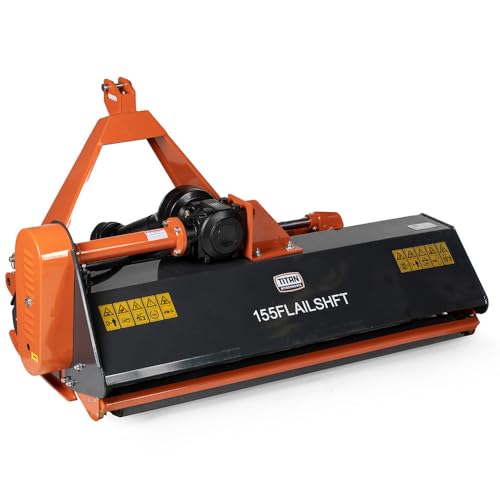
Power & Precision: Hydraulic Side Shift Mowing Guide

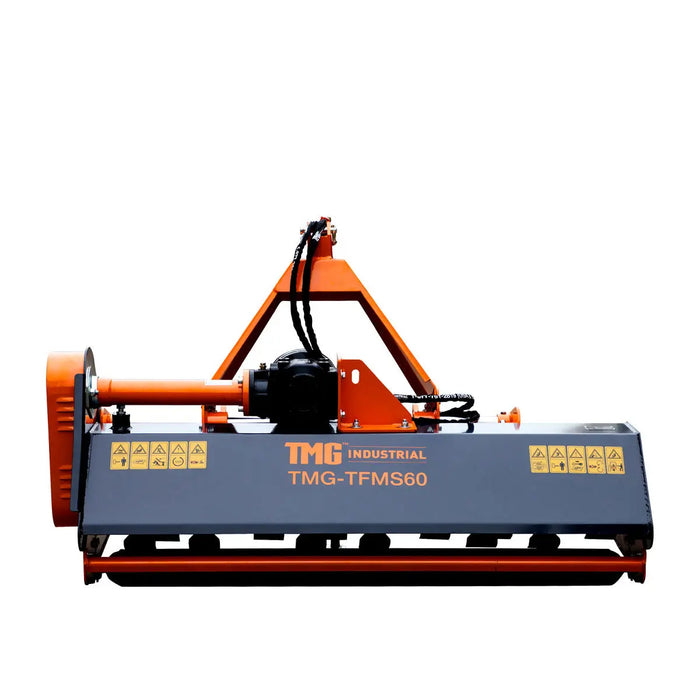
If you’re looking to manage your land effectively, a flail mower with hydraulic side shift could be the perfect tool for you.
This article provides a comprehensive guide on understanding, selecting, and using this powerful equipment.
You’ll learn about its unique features, how to choose the right model, and tips for safe and efficient operation.
Whether you’re maintaining a small yard or managing large fields, this guide will help you make the most of your flail mower.
Key Takeaways
- Flail mowers with hydraulic side shift can cut and mulch materials up to 3 inches thick, turning them into nutrient-rich mulch.
- The hydraulic side shift allows movement up to 8 inches left or right, making it easier to reach hard-to-access areas like fence lines.
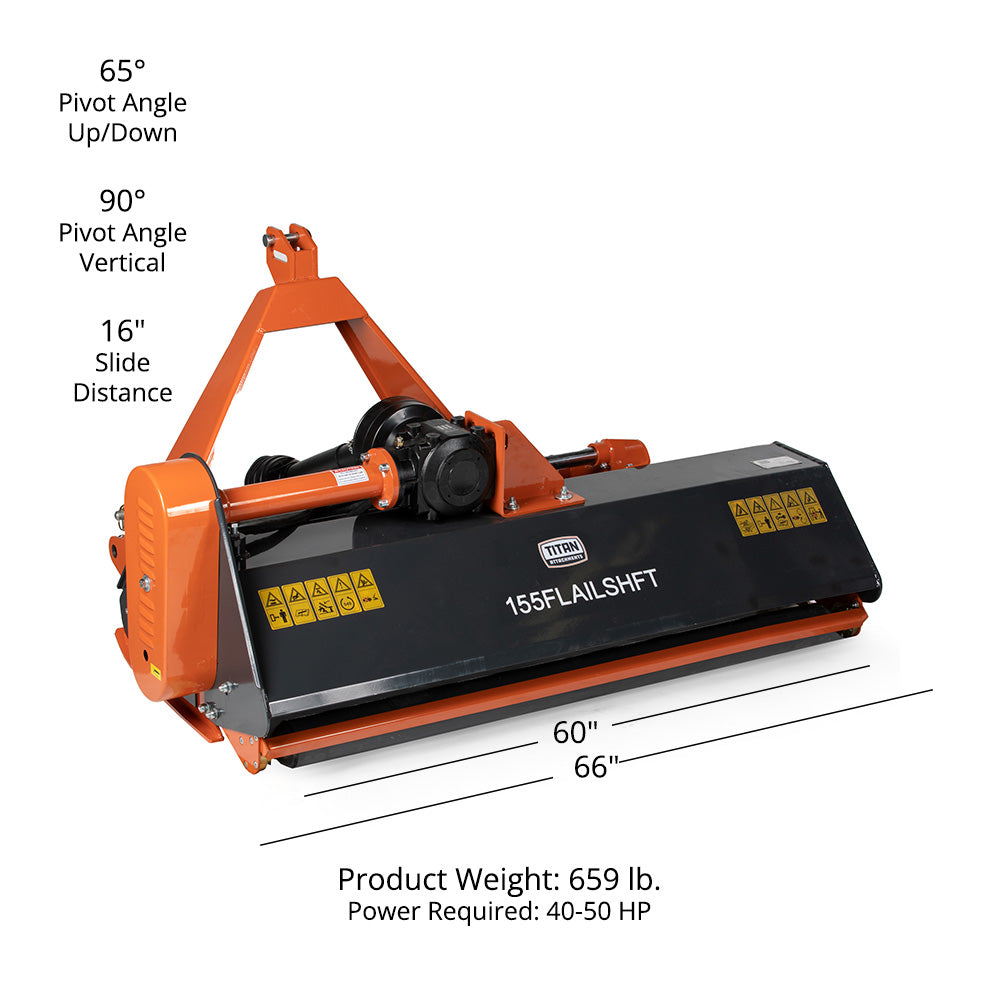
- Choosing the right flail mower size is important; smaller properties need a 60-inch width while larger areas benefit from a 72-inch width.
- Regular maintenance is crucial for keeping your mower in top shape and extending its lifespan.
- Safety should always come first; wear protective gear and perform pre-operation checks to ensure safe mowing.
Understanding the Flail Mower with Hydraulic Side Shift
What Makes It Different from Traditional Mowers
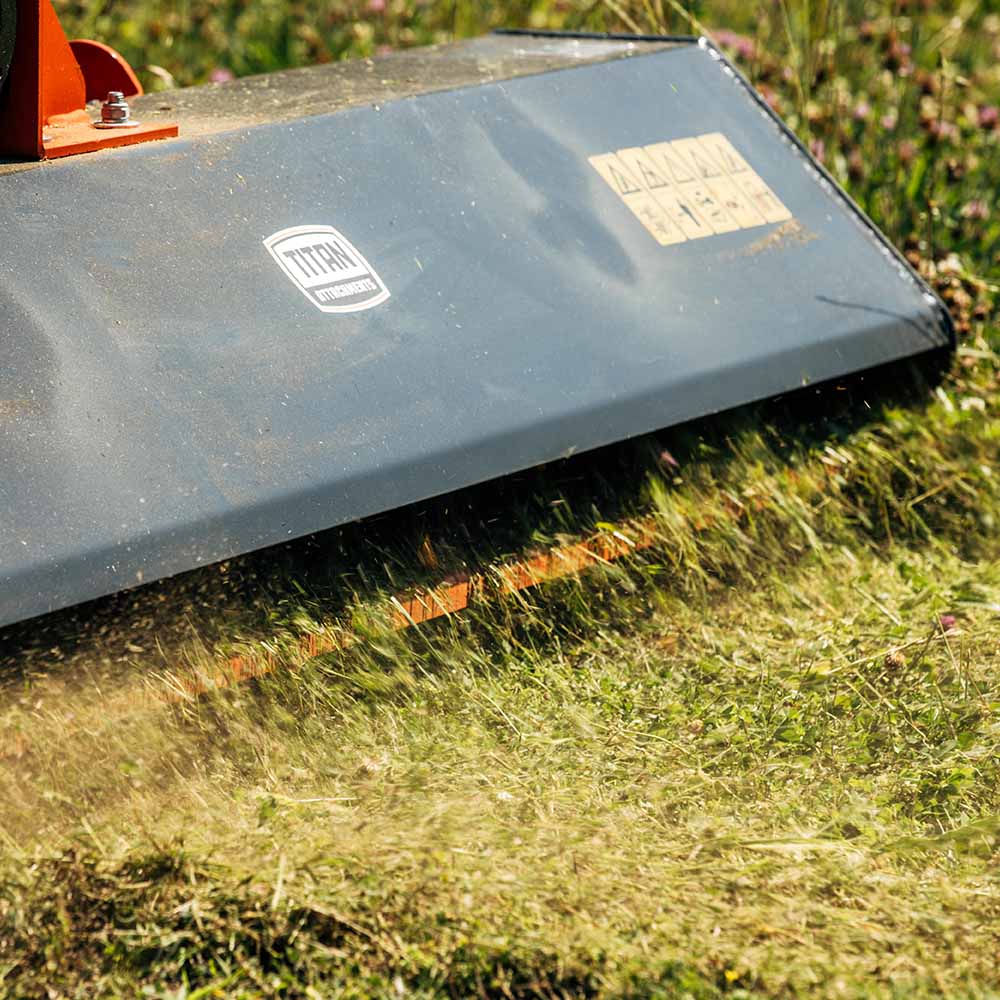
Ever looked at a flail mower with hydraulic side shift and thought, “How’s this different from my old mower?” Well, traditional mowers tend to leave behind chunky debris, but a flail mower with a hydraulic side shift turns that mess into fine mulch. This means faster decomposition and healthier soil! Plus, with the side shift feature, you can move the mower left or right, making it super handy for those hard-to-reach spots.
Key Features You Should Know
Let’s talk about what makes these mowers tick:
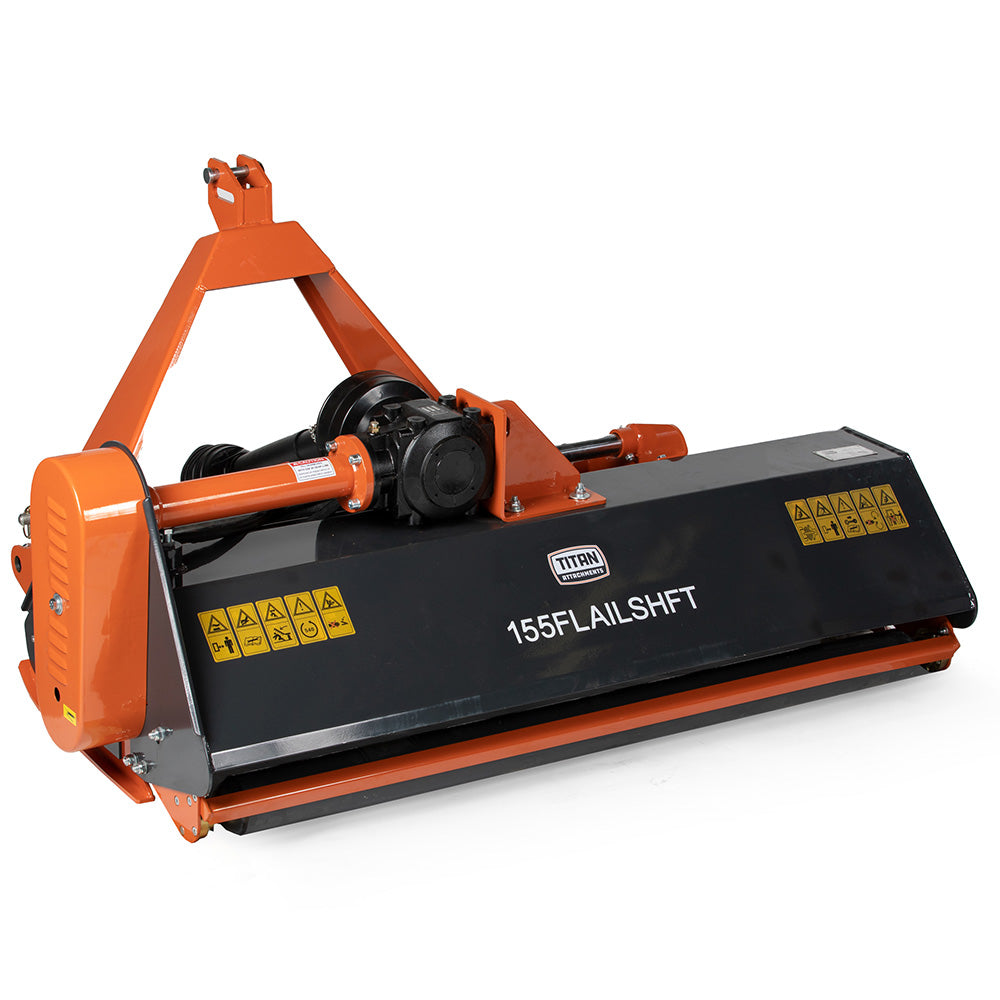
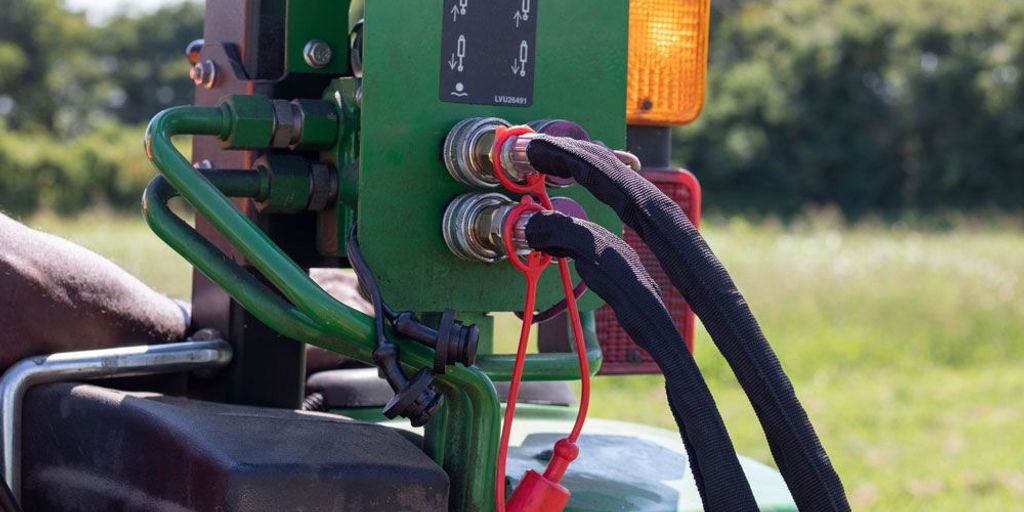
- Hydraulic Side Shift: Slide the mower 8 inches either way without moving your tractor.
- Hammer Flail Blades: These bad boys can mulch materials up to 3 inches thick.
- Adjustable Rear Roller: Perfect for keeping your cut even on bumpy terrain.
Disclosure
This post contains affiliate links. If you make a purchase through these links, we may earn a small commission at no extra cost to you.
Why It’s a Game-Changer for Land Maintenance
Imagine mowing along a fence line. With a regular mower, you’re stuck with those annoying strips you can’t reach. But a hydraulic flail mower for excavator lets you get right up close. It’s a game-changer! You save time, reduce labor, and make your land look neat and tidy.
“Using a flail mower with hydraulic side shift is like having a magic wand for your yard. It just makes everything easier and faster.”
Choosing the Right Flail Mower for Your Needs
Factors to Consider Before Buying
Alright, so you’re thinking of getting a flail mower, huh? First things first, think about what you’ll be mowing. If it’s just grass, you might not need something super heavy-duty. But if you’re dealing with thicker stuff, like small branches or dense brush, you’ll want a mower that’s up for the challenge. Also, consider the terrain. Are you working on flat land or bumpy hills? This will affect the type of mower you need.
How to Match Mower Size with Property Size
Size matters, folks. If you’ve got a small property, you don’t need a massive mower. A 60-inch cutting width is perfect for properties under 10 acres. If you’re working with larger areas, go for a 72-inch width. It’s like picking the right tool for the job. Don’t go too big, or you’ll waste fuel and money.
Understanding Power Requirements
Let’s keep it simple. For a 60-inch mower, you’ll need a tractor with at least 40 HP. For a 72-inch one, aim for 45 HP. The right power makes all the difference. You don’t want your mower struggling, right? Make sure your tractor can handle the job, or you might end up with a mower that’s just collecting dust.
Mastering the Hydraulic Side Shift Feature
Alright, so picture this: you’re out mowing and there’s this annoying strip of grass right by the fence that you just can’t reach. Enter the hydraulic side shift! With this feature, you can slide the mower left or right without getting off the tractor. No more awkward angles or missed spots. It’s like having a superpower for your mower. This feature really shines when you’re dealing with tricky edges or tight spaces.
Running a flail mower with hydraulic side shift isn’t rocket science, but a few tips can make your life easier:
- Start Slow: Begin with a low speed and gradually increase as you get a feel for it.
- Adjust the Shift: Use the side shift to your advantage, especially near obstacles.
- Keep It Clean: Regularly check and clean the hydraulic system to keep things smooth.
Even the best of us mess up sometimes. Here are a few things to watch out for:
- Ignoring Maintenance: Don’t skip those routine checks. Neglect can lead to costly repairs.
- Overloading the Mower: Trying to cut too much at once can bog down the machine.
- Wrong Height Setting: Make sure to adjust the cutting height based on the terrain. Too low and you might damage the blades.
Remember, mastering your hydraulic side shift feature is all about practice and a bit of patience. Take your time, and soon enough, you’ll be mowing like a pro.
Maintenance Tips for Longevity
Daily and Weekly Maintenance Routines
Keep your mower running like a champ with some regular TLC. Daily checks include making sure the blades are clean and free of debris. Weekly, give a quick look at the belts and tighten any loose bolts. Trust me, a little goes a long way.
Troubleshooting Common Issues
Got a problem? Start simple. If your mower isn’t cutting right, check the blade sharpness and rotor speed. If it’s vibrating like crazy, you might have a balance or alignment issue. Keep it simple, and you’ll save yourself a headache.
Extending Blade Life and Performance
Want those blades to last? Sharpen them regularly and avoid rocky patches. When you do hit something hard, don’t wait—fix it up right away. A sharp blade is a happy blade, and it’ll make your mowing life so much easier.
Regular maintenance isn’t just a chore; it’s the secret to a long-lasting, reliable mower. Keep it up, and your mower will thank you.
Optimizing Mowing Techniques
Alright, so mowing isn’t just about cutting grass. Different terrains need different tricks. For flat lawns, go with a simple back-and-forth pattern. But if you’re tackling hills or slopes, think about using a spiral pattern. It helps avoid those awkward stripes. And if you’ve got uneven ground, adjust your mower’s height to avoid scalping.
Adjusting Cutting Height for Best Results
Getting the right cut height is key. For regular grass, stick to about 2 inches. But if you’re dealing with rough terrain or heavy brush, bump it up to 3-4 inches. And remember, always adjust your height based on the season. In spring, go a bit higher to help the grass grow strong.
Using the Mower in Wet Conditions
Mowing in the rain? Not the best idea, but sometimes you gotta do what you gotta do. Slow down your ground speed and increase the rotor speed a bit. This helps with lift and gives a cleaner cut. But be careful, wet conditions can make things slippery, so take it easy and stay safe.
Mowing is more than just a chore; it’s about knowing your land and adjusting your technique to match it. The right approach can make all the difference.
Safety First: Operating Your Mower Safely
Essential Safety Gear
Before you even think about hopping on your mower, gear up! Safety gear is non-negotiable. Here’s what you need:
- Helmet: Protects your noggin from low-hanging branches and flying debris.
- Ear Protection: Mowers are loud! Protect your ears with earmuffs or plugs.
- Gloves: Keep your hands safe and improve grip.
Pre-Operation Safety Checks
Alright, so you’ve got your gear on. Next up, the pre-flight check:
- Inspect the Mower: Look for any loose parts or leaks.
- Check Fluid Levels: Oil, hydraulic fluid, and fuel.
- Clear the Area: Remove rocks, branches, or anything that could become a projectile.
Handling Emergencies
Stuff happens, right? Be prepared:
- Know Your Stop: Always be ready to shut off the mower in a snap.
- First Aid Kit: Keep it handy for minor mishaps.
- Emergency Contacts: Have important numbers saved in your phone.
Safety isn’t just a checklist, it’s a mindset. Always be alert and ready to react.
The Environmental Benefits of Flail Mowers
How Mulching Improves Soil Health
Using a flail mower is like giving your land a natural boost. When it mulches the cuttings, it turns them into tiny bits that break down fast. This process improves soil health by adding nutrients back into the ground. Think of it as nature’s way of recycling.
Reducing Waste with Efficient Cutting
One of the coolest things about flail mowers is how they handle the waste. They chop everything into fine pieces, leaving no big chunks behind. This means less cleanup for you and a cleaner environment. It’s all about making your mowing routine efficient without the extra hassle.
Sustainable Land Management Practices
Flail mowers support sustainable practices by promoting healthier soil and reducing dependency on chemical fertilizers. When you mulch with a flail mower, you’re not just cutting grass; you’re contributing to a more sustainable way of managing your land. It’s a win-win for you and the planet.
Using a flail mower isn’t just about keeping your property neat. It’s about doing your part for the environment while making land maintenance easier.
Cost-Effectiveness and ROI
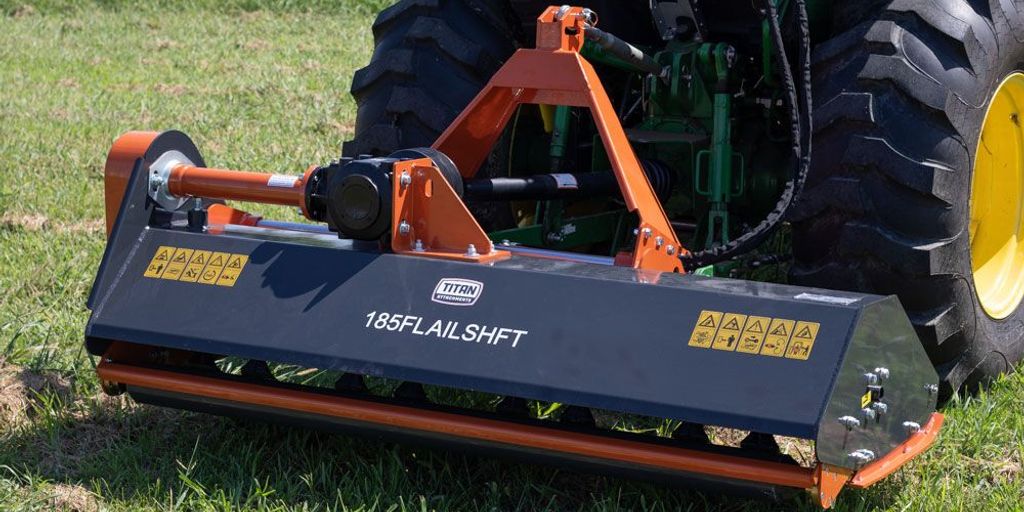
Buying a flail mower with hydraulic side shift might seem like a big spend at first. But think about the long haul. You save big on labor and maintenance costs. No more endless hours mowing the same patch. Plus, these mowers hold their value, so when it’s time to upgrade, you get a better resale value.
Ever wondered if you’re getting your money’s worth? With these mowers, you sure are! They cut down on fuel and maintenance costs. Over five years, you’re looking at a 35% better return compared to traditional mowers. That’s not just numbers; it’s real savings!
Alright, let’s talk upkeep. These machines aren’t high-maintenance divas. Regular checks and a bit of grease here and there keep them running smooth. And when things go south, replacement parts are cheaper than you’d think. Budget a little each year, and you’re golden.
Investing in the right mower is like buying peace of mind. You’re not just cutting grass; you’re cutting costs and saving time. It’s all about making smart choices for your land and your wallet.
Real-World Applications and Success Stories
Case Studies from Professional Landscapers
So, I chatted with a few landscapers who’ve been using these mowers, and let me tell ya, they’re all about it. One guy said he cut his mowing time by 30% just by using the hydraulic side shift feature. No more awkward angles or missed spots. Another landscaper mentioned how the flail mower turns thick brush into fine mulch, saving them a ton on waste disposal costs.
Innovative Uses in Agriculture
Farmers are getting creative with these mowers too. They’re not just for cutting grass anymore. Some folks are using them to manage cover crops, which helps improve soil health. I even heard about a farmer who uses it to clear paths between rows of trees in his orchard. Talk about versatility!
Testimonials from Satisfied Users
I’ve read some testimonials, and it’s clear people love these mowers. One user said it’s like having a “Swiss army knife” for land maintenance. Another mentioned how easy it was to attach to their tractor and how durable it felt even after months of use. It’s not just about cutting grass; it’s about making life easier for anyone with a patch of land to manage.
Disclosure
This post contains affiliate links. If you make a purchase through these links, we may earn a small commission at no extra cost to you.
Advanced Features and Upgrades
Exploring Optional Attachments
Alright, let’s dive into the cool stuff. So, you’ve got your flail mower, and you’re thinking, “What else can I do with this beast?” Well, optional attachments are your answer. These add-ons can turn your mower into a multi-tasking machine. Think about:
- Mulching Kits: Perfect for turning debris into fine mulch.
- Rear Rollers: For that smooth, even finish on your lawn.
- Safety Chains: To keep everything in line and prevent accidents.
When to Consider Upgrading Your Mower
Sometimes, it’s not about adding more; it’s about stepping up. When should you think about upgrading? Here’s a quick checklist:
- Performance Lag: If your mower’s struggling with thicker brush.
- Frequent Repairs: When you’re spending more time fixing than mowing.
- Outdated Tech: If newer models have features that could save you time and hassle.
Future Trends in Mower Technology
Now, let’s peek into the future. Mower tech is always evolving, and you don’t want to be left behind. Keep an eye out for:
- Electric Models: Eco-friendly and quieter.
- Smart Sensors: For better precision and efficiency.
- Hydraulic Side Shift: Enhancing control and reducing mowing time.
Keeping up with the latest technology not only boosts efficiency but also makes mowing a whole lot more fun.
So, whether you’re adding attachments or thinking about an upgrade, staying informed is key. Who knew mowing could be this exciting?
Wrapping It Up: Your Go-To Guide for Hydraulic Side Shift Mowing
So, there you have it! A hydraulic flail mower with side shift is a total game-changer for keeping your land in check. It’s not just about cutting grass; it’s about turning that overgrown mess into rich mulch that feeds your soil.
With the ability to slide left or right, you can easily reach those tricky spots without moving your tractor around. Plus, it saves you time and effort, letting you finish the job quicker.
Whether you’re dealing with thick brush or just tidying up your yard, this mower has got your back.
So, if you want to make your mowing experience smoother and more efficient, consider adding a hydraulic side shift mower to your toolkit!
Frequently Asked Questions
What is a hydraulic flail mower with side shift?
A hydraulic flail mower with side shift is a special tool used for cutting grass and brush. It has blades that chop up materials into small pieces. It can move left or right up to 8 inches without moving the tractor, making it easier to reach tough spots.
How do I choose the right flail mower for my property?
To pick the right flail mower, think about your property size. For small areas, a 60-inch mower is usually best. For larger spaces, a 72-inch mower works well. Also, make sure your tractor has enough power to run the mower.
What are some tips for using the hydraulic side shift feature?
To use the side shift feature effectively, practice moving the mower left and right while mowing. This helps you avoid obstacles without stopping or repositioning your tractor. Always check your surroundings before shifting.
How can I keep my flail mower in good shape?
Regular maintenance is key! Check the blades and belts weekly, keep the hydraulic fluid clean, and look for any signs of wear. This will help your mower last longer.
What should I do if my mower isn’t cutting evenly?
If your mower isn’t cutting evenly, check the rotor speed and make sure it’s set correctly. Also, inspect the blade wear and adjust the height if needed.
Can I use the mower in wet conditions?
Yes, but you should be careful. In wet conditions, go slower and adjust the rotor speed to improve cutting. This helps prevent clogging and ensures a better cut.
What safety gear do I need when operating the mower?
Always wear safety glasses, gloves, and sturdy boots. Hearing protection is also a good idea since mowers can be loud.
What are the benefits of using a flail mower for the environment?
Flail mowers are great for the environment because they mulch the cuttings. This helps improve soil health and reduces waste, making it a smart choice for land management.