

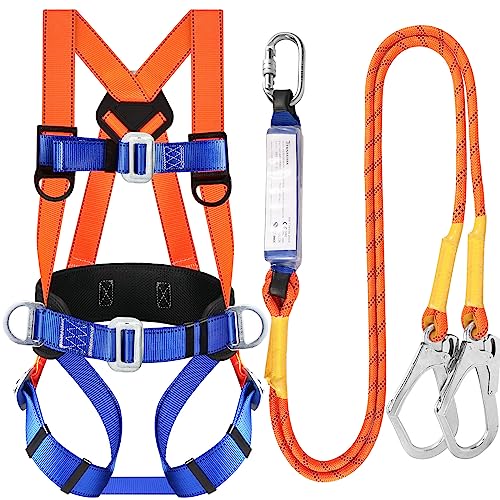
Welcome to our latest blog post where we will explore essential training tips to help you safely utilize a safety harness in different work settings. We understand that keeping yourself safe while working in various environments is a top priority for you. That’s why we have gathered valuable insights to ensure you have the knowledge and skills needed to prevent falls and maintain workplace safety. Let’s dive in together and empower you with the tools to work safely and confidently!


Selecting the Right Safety Harness
When it comes to ensuring the safety of workers in various industries, choosing the correct safety harness is crucial. Selecting the right safety harness can mean the difference between a secure and comfortable work experience or risking serious injury due to improper equipment. In this blog post, we will delve into the key factors to consider when selecting a safety harness tailored to your specific work environment and tasks.
Importance of Choosing the Appropriate Safety Harness
Weight Capacity
- Example: The 3M DBI-SALA ExoFit NEX Harness with a weight capacity of up to 420 lbs is ideal for heavier workers while ensuring safety and comfort.
Fit
- Example: The Miller DuraFlex Stretchable Harness offers adjustable straps and multiple points of adjustment for a customized and secure fit for all body types.
Type of Harness
- Example: For fall arrest protection during tower climbing, the Petzl AVAO BOD Fast Harness provides comfort, mobility, and safety with specialized features.
Factors to Consider When Selecting a Safety Harness
Work Environment
- Example: For high-heat environments like welding, the Miller AirCore Harness with flame-resistant webbing offers added safety protection.
Tasks to Be Performed
- Example: For situations requiring work positioning such as window washing, the DBI-SALA Suspension Trauma Safety Straps can prevent suspension trauma in case of a fall.
Comfort and Mobility
- Example: The Honeywell Miller Revolution Harness incorporates breathable padding and ergonomic design for prolonged wear without sacrificing range of motion.
Practical Examples and Recommendations
- For construction workers needing versatility and durability, the Klein Tools Tradesman Pro Harness stands out for its rugged construction and range of attachment points.
- In industries with confined spaces, the MSA Workman Full-Body Harness offers a compact design for ease of movement and safety in tight areas.
By considering factors such as weight capacity, fit, type of harness, work environment, tasks, and comfort, you can effectively select the right safety harness for your specific needs. Prioritizing safety through proper equipment ensures a secure and productive work environment for you and your team.
Proper Fitting and Adjustment Techniques for Safety Harnesses
Safety harnesses are essential equipment for anyone working at heights or in risky environments. It is crucial to ensure that your safety harness fits properly and is correctly adjusted to provide maximum protection and comfort. In this blog post, we will guide you through the proper fitting and adjustment techniques for safety harnesses, along with tips and practical examples to help you stay safe while working.
Importance of Proper Fit
Ensuring a safety harness fits correctly is vital as an ill-fitting harness can compromise safety and increase the risk of accidents. A harness that is too loose may not provide adequate support in case of a fall, while a harness that is too tight can cause discomfort and restrict movement.
Steps to Check for Proper Fit:
- Shoulder Straps: The shoulder straps should lie flat against your shoulders without twists. Adjust the straps to ensure they are snug but not too tight.
- Chest Strap: The chest strap should be positioned across your chest at mid-sternum level. Make sure it is securely fastened and snug.
- Leg Straps: The leg straps should form a secure connection around your thighs without digging into your skin. Adjust the straps for a comfortable fit.
Making Necessary Adjustments
If you find that your safety harness is not fitting properly, take the following steps to make necessary adjustments:
- Loosening/Tightening Straps: Adjust the straps according to your body size and comfort level.
- Positioning Buckles: Ensure all buckles are correctly positioned and fastened securely.
- Testing Movement: Test the harness by moving around to check for any restrictions or discomfort. Adjust as needed.
Practical Examples
- 3M DBI-SALA ExoFit NEX Construction Harness: This harness features ergonomic design and easy-to-use buckles for quick adjustments.
- Petzl Volt Harness: The Volt harness offers multiple adjustment points for a custom fit and comfortable wear.
- Honeywell Miller Titan Non-Stretch Full Body Harness: The Miller Titan harness provides adjustable chest and leg straps for a secure fit.
By following these proper fitting and adjustment techniques, you can ensure your safety harness provides optimal protection and comfort while working at heights or in hazardous environments. Remember, safety should always be the top priority in any working condition.
Inspecting and Maintaining Safety Harnesses
Importance of Regular Inspection
Regularly inspecting and maintaining safety harnesses is crucial to ensure the safety of workers at height. This practice not only prolongs the lifespan of the harness but also prevents potential accidents that could result from wear and tear.
- Safety Compliance: Ensuring safety harnesses are in good working condition is a key aspect of regulatory compliance on job sites.
- Risk Mitigation: By catching issues early on, regular inspection helps mitigate risks associated with equipment failure.
- Worker Protection: Maintaining safety harnesses protects the well-being of employees by providing reliable fall protection.
Guidelines for Inspection
Inspect your safety harnesses at regular intervals according to the manufacturer’s recommendations. Look out for the following signs of wear and tear:
- Frays or Cuts: Check for any visible damage to the webbing or stitching of the harness.
- Bent or Twisted Components: Ensure that metal components like D-rings and buckles are not deformed.
- Signs of Corrosion: Inspect metal parts for rust or corrosion which weakens the integrity of the harness.
- Loose or Missing Fasteners: Make sure all connections and fasteners are securely in place.
When to Replace a Safety Harness
Knowing when to replace a safety harness is essential for maintaining a safe work environment. Consider the following factors:
- Manufacturer’s Guidelines: Follow the specific recommendations of the harness manufacturer regarding the lifespan of the product.
- Exposure to Harsh Conditions: If the harness has been exposed to extreme temperatures, chemicals, or sunlight, it may degrade faster.
- Previous Falls: Any safety harness that has been subjected to a fall should be immediately retired, as the impact could compromise its integrity.
Examples of Reliable Safety Harness Brands
When it comes to safety harnesses, some reputable brands to consider include:
- 3M Protecta: Known for their durable and reliable safety equipment.
- Petzl: Offers a wide range of high-quality harnesses suitable for various industries.
- DBI Sala: Trusted by professionals worldwide for their innovative fall protection solutions.
Remember, proper inspection and maintenance of safety harnesses are critical for ensuring worker safety at heights. By following these guidelines and staying vigilant, you can prevent accidents and create a secure working environment.
Training on Proper Use and Rescue Procedures
When it comes to workplace safety, training workers on how to properly use safety equipment such as harnesses and conducting rescue procedures in case of emergencies is paramount. In this blog section, we will delve into the significance of providing comprehensive training in these areas, along with practical tips and best practices to ensure a safe work environment.
Proper Use of Safety Harnesses
Selecting the Right Harness:
- Ensure that the harness is suitable for the specific task being performed.
- Look for reputable brands like 3M DBI-SALA ExoFit NEX Harness or Petzl AVAO BOD Harness that adhere to industry standards for quality and safety.
- Check for proper fit and adjustability to ensure maximum comfort and effectiveness.
Inspection and Maintenance:
- Regularly inspect the harness for signs of wear or damage.
- Follow manufacturer guidelines for maintenance and replacement intervals.
- Consider investing in harnesses with features like Miller Revolution Full Body Harness with visible wear indicators for added safety.
Rescue Procedures in Emergencies
Developing a Rescue Plan:
- Create a detailed rescue plan that outlines procedures and responsibilities.
- Conduct regular drills to ensure all workers are familiar with the rescue protocol.
- Utilize tools like the Skedco Rescue System or CAMP Goblin Rope Grab for efficient and safe rescue operations.
Training on Rescue Equipment:
- Provide thorough training on the proper use of rescue equipment.
- Familiarize workers with tools such as the Petzl GRIGRI+ Belay Device or CMC AZTEK ProSeries System for effective rescue operations.
- Emphasize the importance of regular practice and hands-on training.
By prioritizing proper training on safety harness use and rescue procedures, employers can significantly reduce the risk of workplace accidents and ensure the well-being of their employees. Whether it’s selecting the right harness or developing a robust rescue plan, investing in training and quality equipment is key to creating a safe work environment.
Wrapping Up: Best Practices for Harness Safety
Alright, let’s wrap this up like a pro harness-wearer.
Here’s the deal: safety harnesses ain’t no joke. They’re your lifeline when you’re up high, so treat ’em with respect.
Key takeaways?
- Pick the right harness for your job. Don’t cheap out.
- Fit it right – snug, not suffocating.
- Check it every time. No exceptions.
- Train like your life depends on it (because it does).
- Have a solid rescue plan. Hope you never need it, but be ready.
Remember, a harness is only as good as the person wearing it. Stay sharp, stay safe, and keep crushing it out there. Your family wants you home in one piece.
Got questions? Hit up a safety pro. Better to ask now than wish you had later.
Stay safe, friends. 🚀





Thank you for your feedback! Ensuring a secure fit for different body types is crucial. One tip is to look for harnesses with adjustable straps to accommodate various sizes and shapes.
Could you recommend any specific brands or models of safety harnesses that are known for their durability and reliability in various work environments?
Thank you for your question! Brands like 3M, Honeywell, and DBI-SALA are well-known for their quality safety harnesses. It’s important to choose a harness certified to meet relevant safety standards for your specific work environment.
I appreciate the emphasis on training for proper use and rescue procedures. It would be beneficial to include some real-life scenarios or case studies to illustrate the importance of this training.
Thank you for your suggestion! Real-life scenarios can indeed enhance the understanding of safety procedures. I will consider incorporating case studies in future articles to provide practical insights.
I found the section on proper fitting and adjustment techniques very informative. Do you have any specific recommendations for ensuring the harness is secure for different body types?