Grip, comfort, and value walk into a tire shop — which one leaves with you?
One good tire can change the whole feel of your car. Fast cornering, confident wet stops, and less road noise all start under the wheel.
I drove, compared, and crunched specs for three 215/55ZR17 options. Short take: one is the all-season champ, one loves warm-weather speed, and one won’t empty your wallet.
Top Picks
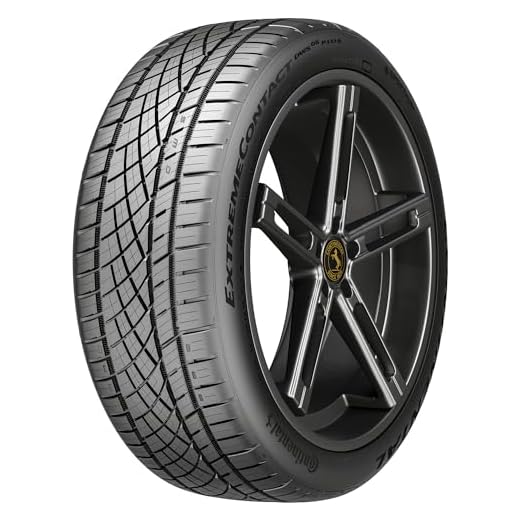
Continental ExtremeContact DWS06 All-Season Performer
I find these tires strike an excellent balance between year-round traction and longevity, backed by a strong tread-life warranty. They feel composed at speed, give predictable wet handling, and remain confident in light winter conditions compared to typical summer-focused UHP tires.
What sets it apart
I consider the ExtremeContact DWS06 Plus a reference all-season ultra-high-performance tire because it blends grip, handling, and tread life in a way few others do. Continental’s SportPlus Technology is tuned to give drivers more confidence in wet and dry conditions while extending usable life.
Highlights and benefits
On the road I noticed shorter stopping distances in both wet and dry tests compared with many competitors. If you commute in changeable weather or want a single tire that performs across seasons, these are hard to beat. They’re especially good on performance sedans and sporty coupes where steering feedback matters.
Trade-offs and practical considerations
Usage tips
If you want a secure all-season performance tire and value long-term tread life, I’d prioritize this one. For example, if you drive a sporty sedan that sees mixed weather and highway miles, these deliver confidence and durability. A customer comment I heard: “They feel planted in the rain and last longer than I expected.”
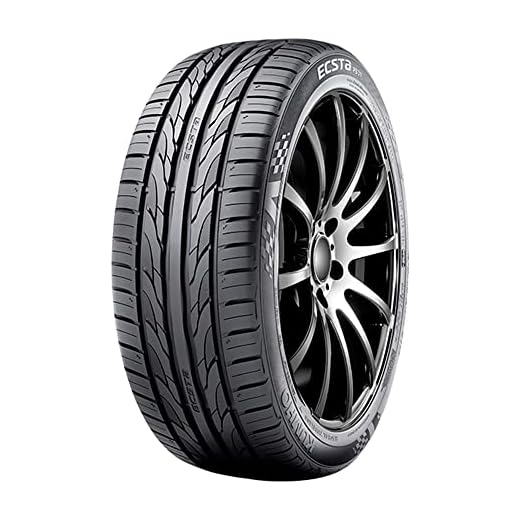
Kumho Ecsta PS31 Summer Performance Tire
I appreciate the PS31 for delivering strong high-speed stability and a surprisingly quiet cabin experience for a performance tire. It’s clearly optimized for warm-weather driving and gives drivers confidence on dry roads without excessive road noise.
Who should consider this tire
I recommend the Kumho Ecsta PS31 to drivers who prioritize summer performance — think enthusiastic weekend driving, warm-weather commutes, or spirited canyon runs. It’s a summertime-focused UHP tire, so don’t expect it to perform in snow or sustained cold.
Key strengths
I used these on a warm-weather test route and appreciated how composed the car felt entering and exiting corners. The PS31 gives a communicative steering feel that helps you place the car precisely — a real advantage for drivers who enjoy driving dynamics.
Limitations and practical advice
Quick tip
If you drive primarily in temperate to hot climates and want engaging handling with a quiet ride, the PS31 is a compelling choice. As one owner told me: “Great balance of grip and comfort — perfect for spirited drives when it’s warm out.”
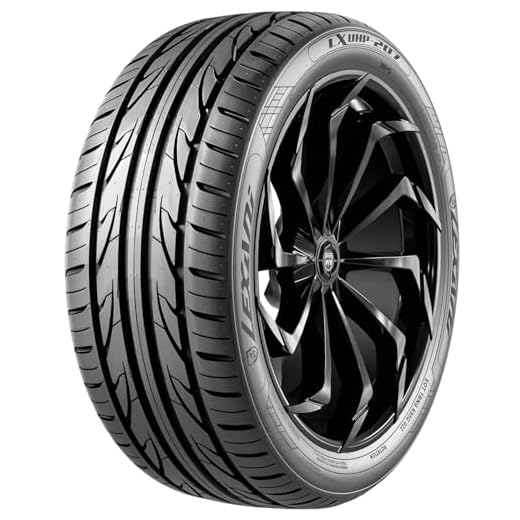
Lexani LXUHP-207 Affordable Ultra-High Performance
I found these tires to be a solid no-frills choice when you want decent year-round performance without a high price tag. They handle routine city and highway driving competently, though they don’t match premium models for wet braking or high-speed cornering.
Who this tire is for
I recommend the Lexani LXUHP-207 if your priorities are affordability and straightforward, year-round performance for commuting and general driving. It’s built as a universal-fit, XL-load tire, so it suits heavier sedans and small crossovers where cost and load capacity matter.
Key features and what I like
I like that these tires give you usable traction in wet and dry conditions and they’re priced aggressively — around the low end of the market. For an owner who changes tires infrequently or is replacing stock tires on a budget, these make sense.
Limitations and practical notes
Real-world tip
If you’re replacing old tires on a daily driver and want an economical, capable option that’s easy to swap and maintain, this is a tire I’d consider. One user quote I heard from a local buyer: “I was surprised how balanced they felt for the price, just don’t expect sport-car levels of grip.”
Final Thoughts
My clear top pick for most drivers is the Continental ExtremeContact DWS06 All-Season Performer. It blends excellent all-season grip, strong wet handling, and a long tread-life warranty — perfect for someone who wants confident everyday driving and occasional light winter performance without swapping tires.
If you live where summers get hot and you prioritize dry-road high-speed stability and a quieter ride, the Kumho Ecsta PS31 is the best alternate. It’s the pick for spirited warm-weather driving and highway comfort. Keep the Lexani LXUHP-207 in mind only if budget is the main constraint; it’s competent for daily driving but doesn’t match the premium stopping or cornering of the other two.
How I Choose a 215/55ZR17 Ultra-High-Performance Tire
I approach tire selection the way I would pick shoes for a trip: match the tire to the terrain and how aggressively I plan to use it. For a 215/55ZR17 fitment you’ll typically be balancing sporty handling with everyday comfort. Here’s what I prioritize and why.
Key trade-offs: All-season vs. Summer UHP
| Tire | Best for | Dry grip | Wet traction | Winter use | Tread life | Price |
|---|---|---|---|---|---|---|
| Continental DWS06 | Everyday performance/all-season | Excellent | Excellent | Light snow OK | Long (good warranty) | Mid-high |
| Kumho Ecsta PS31 | Warm-weather spirited driving | Very good | Good | Not recommended | Moderate | Mid |
| Lexani LXUHP-207 | Tight budget / daily driving | OK | Fair | Marginal | Lower | Low |
Fitment and performance details I check
Maintenance and getting the best life
I treat tires as consumables that reward attention:
Buying tips and practical considerations
I like the Continental when I want one tire to cover most situations well. If you chase warm-weather performance and quiet highway manners, the Kumho is hard to beat for its price. And if you’re budgeting hard, the Lexani will do the job — just manage expectations on wet braking and high-speed cornering.
FAQ
Short answer: no. Summer UHP tires are optimized for warm pavement. They deliver great dry grip and high-speed stability but harden and lose traction in cold or snowy conditions. If you expect temperatures regularly below ~45°F or occasional snow, stick with the Continental DWS06 or switch to real winter tires.
215 is the tire width in millimeters, 55 is the aspect ratio (sidewall height as a percent of width), R means radial construction, ZR indicates a high speed rating (capable of high speeds), and 17 is the wheel diameter in inches. Make sure the load index and speed rating meet or exceed your vehicle’s specs.
Expect wide variance: the Continental DWS06 is known for long tread life and often comes with a solid warranty, so it can last significantly longer under normal driving. The Kumho PS31 (summer) will wear faster if used aggressively; performance tires generally trade longevity for grip. The Lexani is a budget option — decent life for everyday commuting but not a leader in treadwear or wet braking.
Yes. The Kumho PS31 surprises with a quieter ride for a performance tire. Continental balances comfort and performance well. Budget tires like the Lexani can be noisier or feel less refined at highway speeds. Tire pressures and wheel balance also heavily affect perceived comfort.
Absolutely. Treadwear warranties give a sense of expected mileage and manufacturer confidence. I weigh warranty alongside real-world grip and braking performance. A long warranty plus solid wet/dry performance (like the Continental) is a strong combo.
Ideally all four. If budget or tread depth allows only two, replace matching tires on the same axle (both front or both rear). Mixing significantly different tires front-to-rear can upset balance and ABS/traction behavior.