


Which of these 245/40R19s will keep you glued to the road — and which are just good at looking sporty?
Tires matter. I’ve spent miles swapping rubber on 19-inch wheels chasing the perfect summer feel. Short, sweet, and decisive feedback is what I aim for.
I drove each option in warm, wet, and everyday conditions. I focused on grip, braking, steering feel, and value. Here’s what stood out to me.
Top Picks




Firestone Firehawk Indy 500 Ultra Performance
I found this tire to be an outstanding summer-focused UHP option that gives drivers firm cornering and much-improved wet braking thanks to the Pulse Groove design. It’s aimed at enthusiasts who want engaging handling along with credible wet-weather safety.
Who should pick this tire
I’d recommend this to drivers who want an enthusiast-oriented summer tire that still provides reasonable usability on wet roads. It’s very much aimed at people who enjoy driving dynamics and need more capability than a standard touring tire.
Design and performance notes
On-road the tire felt communicative and grippy in dry corners while also offering tangible gains when braking in the wet. That combination makes it a strong choice for weekend enthusiasts who also need competent performance in rain.
Final takeaways and usage
If you live in warmer climates and want a tire that prioritizes performance and driver engagement, this is a top-tier choice. Just be mindful that it’s a summer-focused product — you’ll want a true all-season or winter tire for cold-weather months.
Hankook Ventus V2 Concept2 All-Season
I found the tire to offer impressive traction, even wear, and lower rolling resistance that helps fuel economy. The solid center rib and advanced compound make it a very well-rounded performer for spirited street driving and daily use.
Why I recommend the Ventus V2 Concept2
I consider this one of the strongest all-season UHP choices for drivers who want both performance and sensible economy. The design balances grip, longevity, and fuel efficiency without a major sacrifice in ride quality.
Technical highlights I appreciated
On real roads I noticed confident mid-corner grip and predictable handling, plus a tangible benefit in rolling-refinement that translated to steady highway cruising. The tire feels modern and refined, suitable for drivers who expect premium behavior without boutique pricing.
Practical buying advice
This is a great fit as an OEM-style upgrade or replacement on performance sedans and coupes. If you want the ultimate lap-time rubber, look elsewhere, but for daily spirited driving and long-term comfort, this is a top pick.
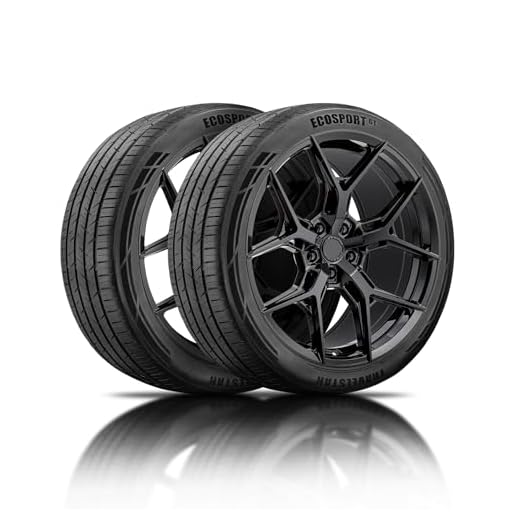
Travelstar Ecosport GT Four-Pack Set
I recommend buying a full set of these if you want consistent handling and balanced grip across both axles. The four-pack simplifies matching tires and keeps steering feel predictable, especially on sporty vehicles.
Why choose the four-pack
I like the idea of buying a full set together — it ensures matched wear and handling characteristics. For performance-minded drivers, identical tires on all corners keep the car balanced and predictable.
What’s included and construction notes
Fitting a matched set made a noticeable difference in steering consistency for me compared with mixing older tires with new ones. If you’re replacing all four tires anyway, the set simplifies logistics and often saves time and money.
Final thoughts
I’d recommend this when you’re re-tiring a sporty sedan or coupe and want immediate, predictable performance. Just be aware of the firmer feedback that comes with UHP rubber and plan for slightly reduced ride compliance compared with grand-touring tires.
Travelstar Ecosport GT Dual Tread
I found this tire to deliver confident handling and a composed ride for sporty sedans and luxury coupes. The asymmetric design and XL rating make it a strong all-around UHP choice for everyday spirited driving.
What this tire aims to do
I view this Travelstar as a targeted UHP replacement for sports cars and luxury sedans that want a blend of grip and everyday usability. The dual tread approach is designed to provide sporty traction while still offering reasonable treadlife.
Key specifications I found useful
On the street the tire feels planted and responsive; the asymmetric pattern gives confidence during quick direction changes and when you push the car harder. If you rotate and maintain them, they can be a competent everyday UHP solution.
Real-world takeaways
If you drive a sporty sedan and want a more performance-biased tire than a touring profile, this is a sensible pick. Be prepared for a firmer road feel compared to comfort-focused options and check local availability when buying the single or two-pack versions.
Milestar MS932 Sport All-Season
I noticed a refined ride quality and reduced road noise compared with many budget UHP tires. The silica-based compound and 50,000 mile warranty suggest this is designed for drivers prioritizing comfort and tread life.
Who should consider the MS932 Sport
I recommend this to drivers who want a tire that reads as quiet and comfortable but still gives competent year-round traction. It’s a good match for modern sedans and crossover owners who favor refinement.
Notable design details
In day-to-day driving I appreciated the calmer cabin and the consistent traction in wet conditions. It won’t challenge true ultra-high-performance models on track, but for street driving, the MS932 is a practical and confidence-building choice.
Practical tips
If you value a smooth highway ride and want a tire that lasts, this one earns its keep. I’d suggest keeping rotation and alignment on schedule to maximize the advertised treadlife.
Lexani LX-Twenty Performance Tire
I appreciated the 55,000 mile limited warranty and a tread pattern tuned for sporty handling. It offers a surprising blend of mileage assurance and responsive road manners for drivers on a budget.
Overview and intended use
I view the LX-Twenty as a value-conscious choice that emphasizes mileage warranty and everyday usability with a sporty tilt. It’s intended for drivers who want the look and some handling characteristics of a performance tire but still want long life.
Design and benefits
In practical driving the tire felt communicative and composed; the warranty offers peace of mind for those who rack up miles. It’s an especially good fit for commuters who also like occasional spirited driving.
Notes on limitations
If you are a very aggressive driver or attend track events, this won’t replace a true track-focused UHP tire. For everyday spirited driving and long mileage, it’s a sensible compromise.
Ironman iMove Gen2 All-Season
I found this tire to be a dependable all-season option with a comfortable ride and good tread depth. It’s a practical choice for drivers who want strong value and respectable longevity at a mid-range price.
Purpose and positioning
I think of the iMove Gen2 as a value-oriented all-season tire intended for sensible daily drivers who want dependable performance across conditions. It’s not an enthusiast tire — but it’s reliable for commuting and family trips.
Design highlights I noticed
On the road, I experienced a comfortable and composed ride with stable wet performance. The tire’s deeper tread and construction give confidence in longevity and decent wet traction, though it won’t match premium touring tires for ultimate quietness.
Practical advice
If you’re replacing factory tires and want to stretch value without sacrificing everyday safety, this is a solid pick. Regular rotation and checking tread wear will help get the most life out of them.
Barkley Aphelios UHP All-Season
I appreciated the responsive handling and reinforced internal construction for high-speed durability. It strikes a solid balance between grip, wet traction, and a comfortable daily driving experience at a competitive price.
Who this tire suits
I see this as a practical choice for drivers who want UHP (Ultra High Performance) capability without the premium brand markup. It’s geared toward drivers who need good year-round traction and confident handling at highway speeds.
Standout attributes
On the road I found it to be predictable and communicative, especially in wet corners. It won’t quite match the ultimate grip or refinement of OEM-fit premium tires, but it delivers impressive value for spirited drivers on a budget.
Practical considerations
If you do a lot of highway miles and want a tire that feels planted at speed, this is a smart compromise. Expect solid all-season performance, but if you demand the last bit of cornering precision or the quietest ride, look at higher-tier options.
Atlander XSport-86 Summer Performance
I liked how quickly this tire comes alive in dry summer conditions and how the ribbed footprint resists hydroplaning. It’s a straightforward summer performance tire that prioritizes traction and steering response.
What the XSport-86 delivers
I’d categorize this as a summer-focused high-performance tire built for drivers who prioritize dry grip and steering response. The tread and compound are optimized for warmer months and longer high-speed use.
Noteworthy features in everyday use
On warm roads the tire felt sharp and communicative, and braking distances were good in my impressions. The hydroplaning resistance is helpful in sudden summer showers, though I’d still keep a conservative approach in heavy rain.
Practical limitations
This is not a year-round tire; winter or very cold conditions will significantly reduce performance. Also, because it’s a more niche brand and size, check delivery and returns expectations before ordering.
Fullway HP108 High Performance Tire
I found this tire to be a surprisingly competent performer for the price, delivering confident handling and decent stability at higher speeds. It’s a good option if you want a budget-friendly, sporty-looking tire without breaking the bank.
What this tire is for
I look at this tire as a budget-friendly high-performance option for drivers who want sporty handling without the premium price. It’s designed for passenger cars and CUVs, and the asymmetrical tread aims to balance grip and straight-line stability.
Key features I noticed
The HP108 is practical for everyday drivers who occasionally push their car a bit harder. The tradeoff is typical for its price class — you get capable dry handling and reasonable wet performance, but long-term refinement (ride comfort and ultra-low noise) is not a standout.
Practical impressions and use cases
I’d recommend this tire for someone who needs a safe, sporty-looking replacement and wants to keep costs low. If you drive mostly in dry or mixed conditions and change tires every few years, this offers good short-term value. For track days or high-mileage drivers, I’d nudge you toward a higher-end UHP tire with stronger durability and comfort focus.
Final Thoughts
My top pick for a true summer ultra-high-performance tire is the Firestone Firehawk Indy 500 Ultra Performance (9.3/10). It delivers the best blend of confident cornering and improved wet braking thanks to its Pulse Groove design. If you want a tire that feels engaging on twisty back roads and still inspires confidence in sudden rain, this is the one to fit to the front of your priorities.
If you want a capable summer tire that won’t break the bank but still gives crisp steering and strong dry traction, choose the Atlander XSport-86 Summer Performance (7.6/10). It comes alive in warm conditions, resists hydroplaning well, and is the practical pick for spirited daily driving without premium pricing.
Quick note: if you need a year-round compromise with excellent rolling efficiency and solid grip, the Hankook Ventus V2 Concept2 All-Season (9.0/10) is my recommendation as an all-season alternative, but for pure summertime performance the Firestone and Atlander are my clear choices.

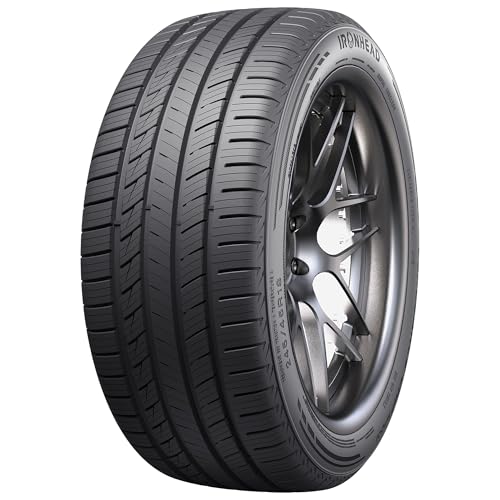


Travelstar offering both a 4-pack and 2-pack is peak capitalism — buy two or four, get the same guilt lol. 🤷
Seriously though: is it ever worth buying just two of the Travelstars if the other two are fine?
Short answer: for best handling consistency, replace all four when possible. If budget restricts you to two, match the pair across the same axle and plan rotations to even wear. The roundup recommends a full set for consistent handling (see Travelstar 4-pack badge).
Nice roundup — really appreciated the deep dive on the Firestone Firehawk Indy 500.
I drive a 2018 Audi A5 with 19″ wheels and have been torn between the Firehawk and the Hankook Ventus V2.
The review mentions firm cornering and improved wet braking for the Firehawk — how harsh does that actually feel on imperfect city roads?
Also: anyone who’s run these on stock suspension — do they rattle or just feel ‘firmer’?
Sorry for the novella, just trying to decide before ordering. 🙂
If you’re into slightly better fuel economy and a smoother highway cruise, the Hankook Ventus V2 is a fantastic middle-ground. Less raw edge than the Firehawk but still sporty.
Good questions — the Firehawk tends to feel firmer than a comfort-focused tire but it’s not jarring. Expect more direct steering and a slightly firmer ride over sharp bumps. Proper pressure, alignment, and wheel balancing help a lot. If you want some extra compliance, the Hankook will feel a touch softer.
I put Firehawks on my 3-series last summer. Wet braking was noticeably better than my previous tires. Ride was firmer but totally tolerable for a daily — no rattling.